Badaling Great Wall travel guide · 山河志 Shan He Zhi
Why the wall zigzags (and what the watchtowers were for)
Badaling Great Wall in Beijing: A short read on ridges, signal fires, and why “wan li” is more poetry than a tape measure.
长城为何弯来弯去(敌楼是干什么的)
山脊、烽火与“万里”:比卷尺更接近诗的说法。
Built for the ridge, not the postcard
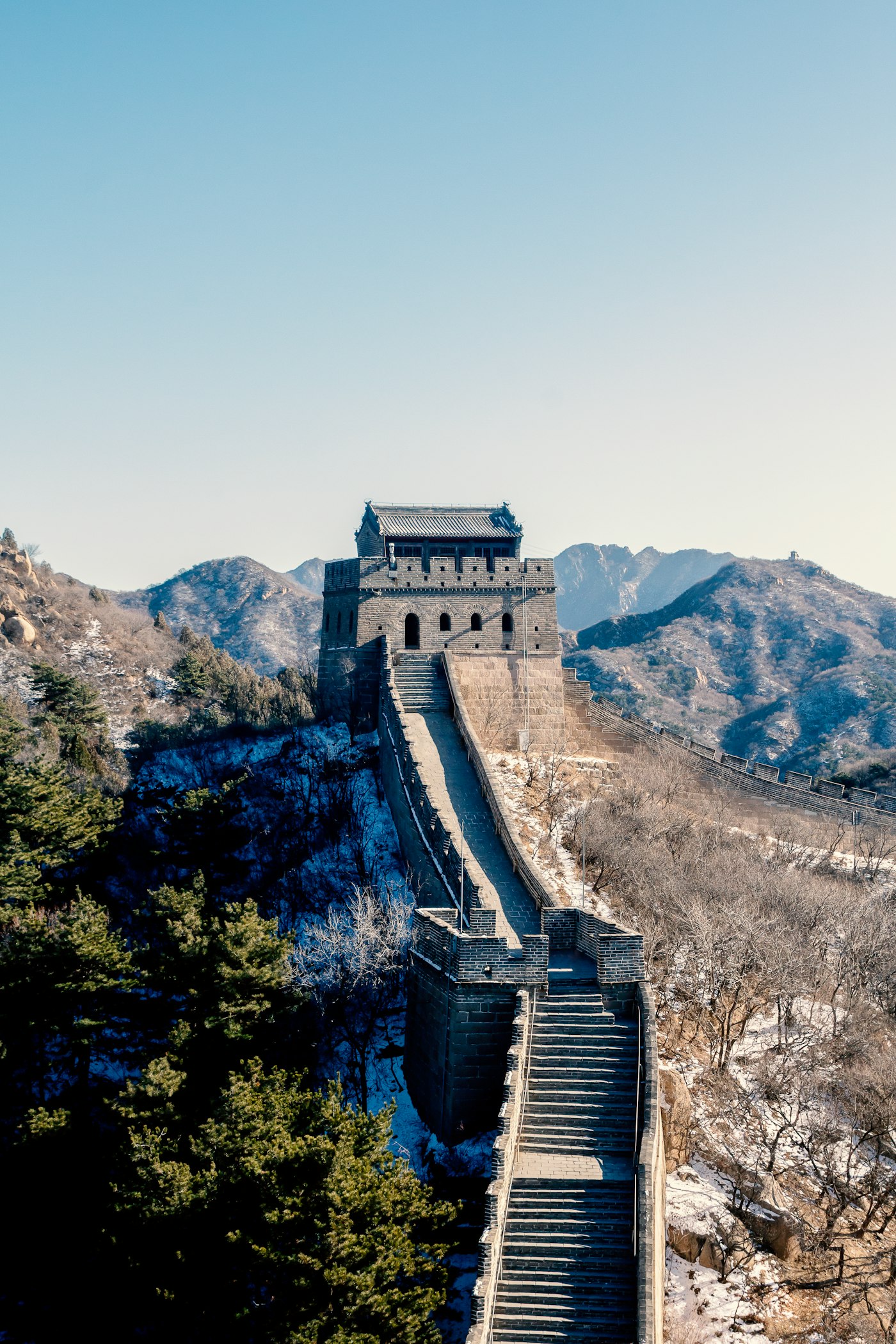
The wall follows high ground so defenders could see farther and force attackers uphill. The zigzag isn’t decoration—it’s the mountain’s spine turned into a barrier.
Watchtowers stored weapons, sheltered soldiers, and relayed warnings. Standing inside one, you’re in a small fort, not just a photo platform.
为山脊而建,不是为明信片
城墙贴着高地走,为的是看得远、逼进攻者上坡。弯折不是造型,是山脊变成防线。
敌楼用来存械、住人、传警。走进去,它是一座小堡垒,不只是拍照台。
Ming brick under your feet
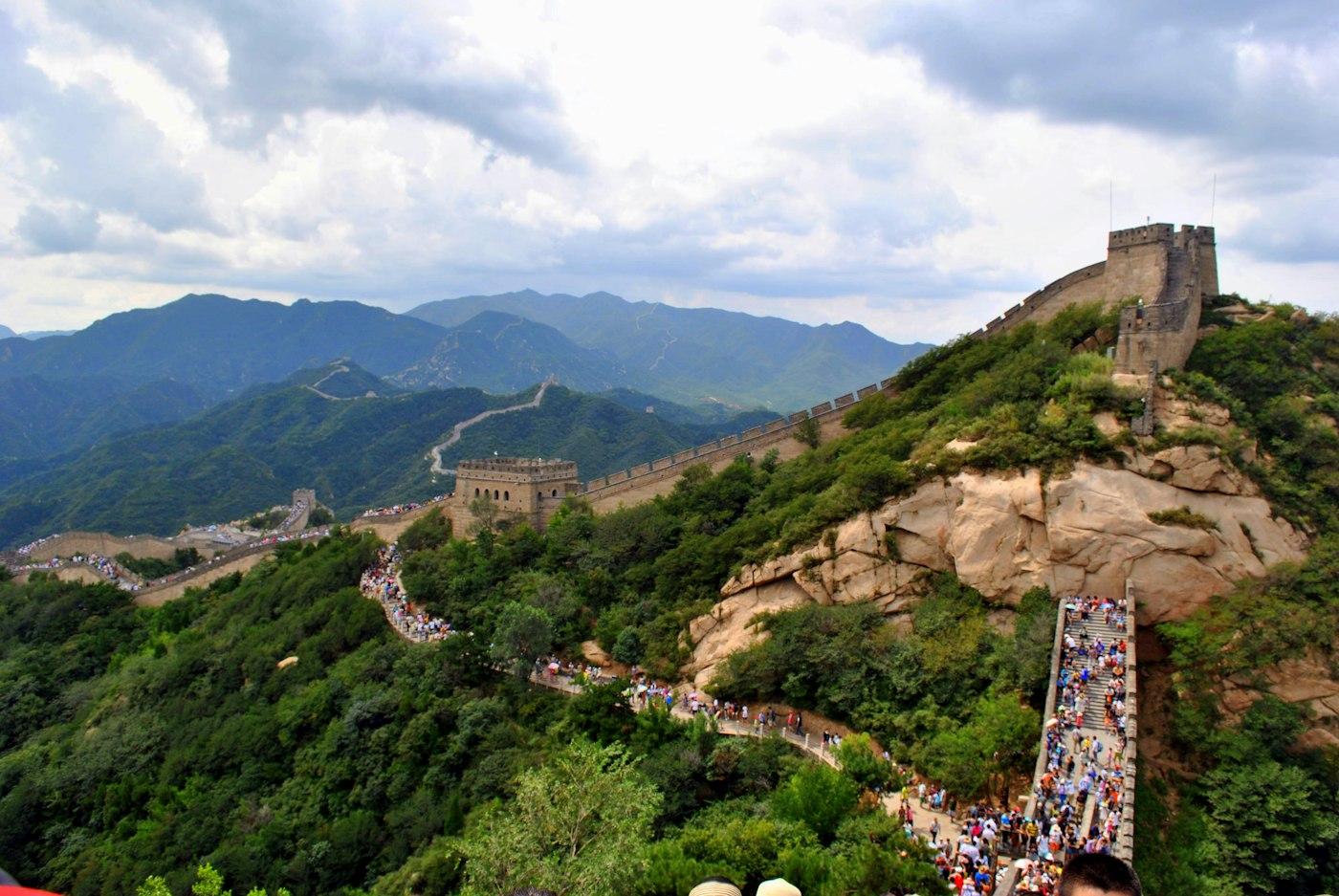
What you walk at Badaling is largely Ming-dynasty rebuilding and modern restoration. Earlier walls existed in other places and eras; this famous “look” is one chapter, made sturdy for visitors.
Hands off the crumbling edges beyond barriers. The photogenic ruin you want to climb is often the part still being protected.
脚下多是明长城
八达岭脚下多是明长城重建与现代修缮。更早的墙在别处、别朝;你熟悉的“长城样子”只是其中一章,并为参观加了固。
护栏外的残段别爬。最好拍的残垣,常常正是仍在保护的部分。
“Ten thousand li” as an idea
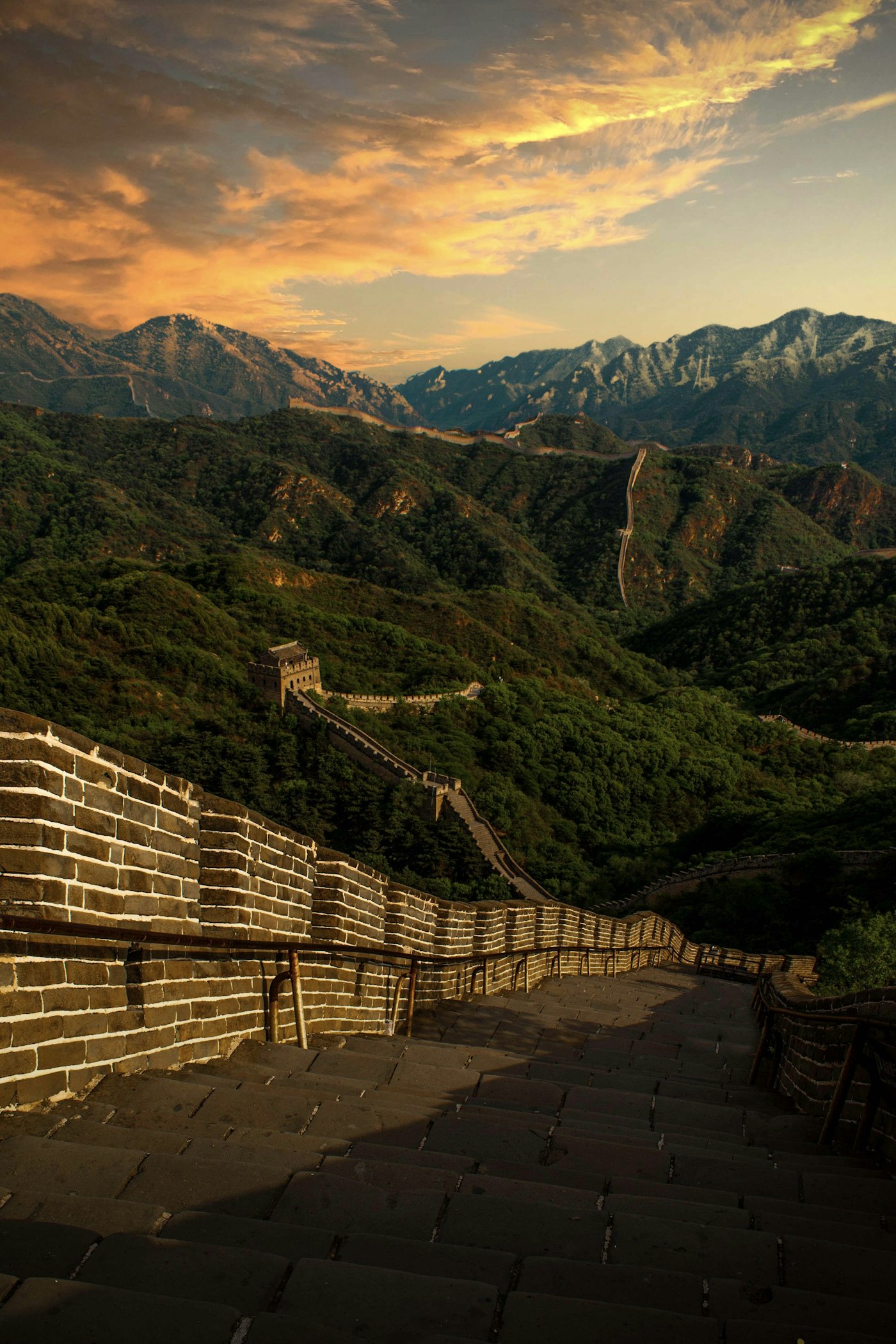
Wan li (ten thousand li) means vast, not a GPS track. Sections were built, abandoned, and rebuilt across centuries and states.
If you remember one cultural point: the wall is a system of frontiers and labor, not a single weekend construction project—and Badaling is the doorway most travelers use to touch that idea.
“万里”是一种说法
“万里”说的是辽阔,不是导航轨迹。城段历经多朝修建、废弃与重修。
记住一点即可:长城是边疆与劳役的体系,不是某个周末完工的工程——八达岭则是多数旅行者摸到这层意思的入口。