山河志 Shan He Zhi
China travel guides · tips & how to visit
Short practical reads with photos: day plans, tickets and manners, cultural notes. Each guide links back to its place page and nearby sights.
图文短篇:怎么去、怎么逛、现场注意什么。每篇连回景点页与同城相关。
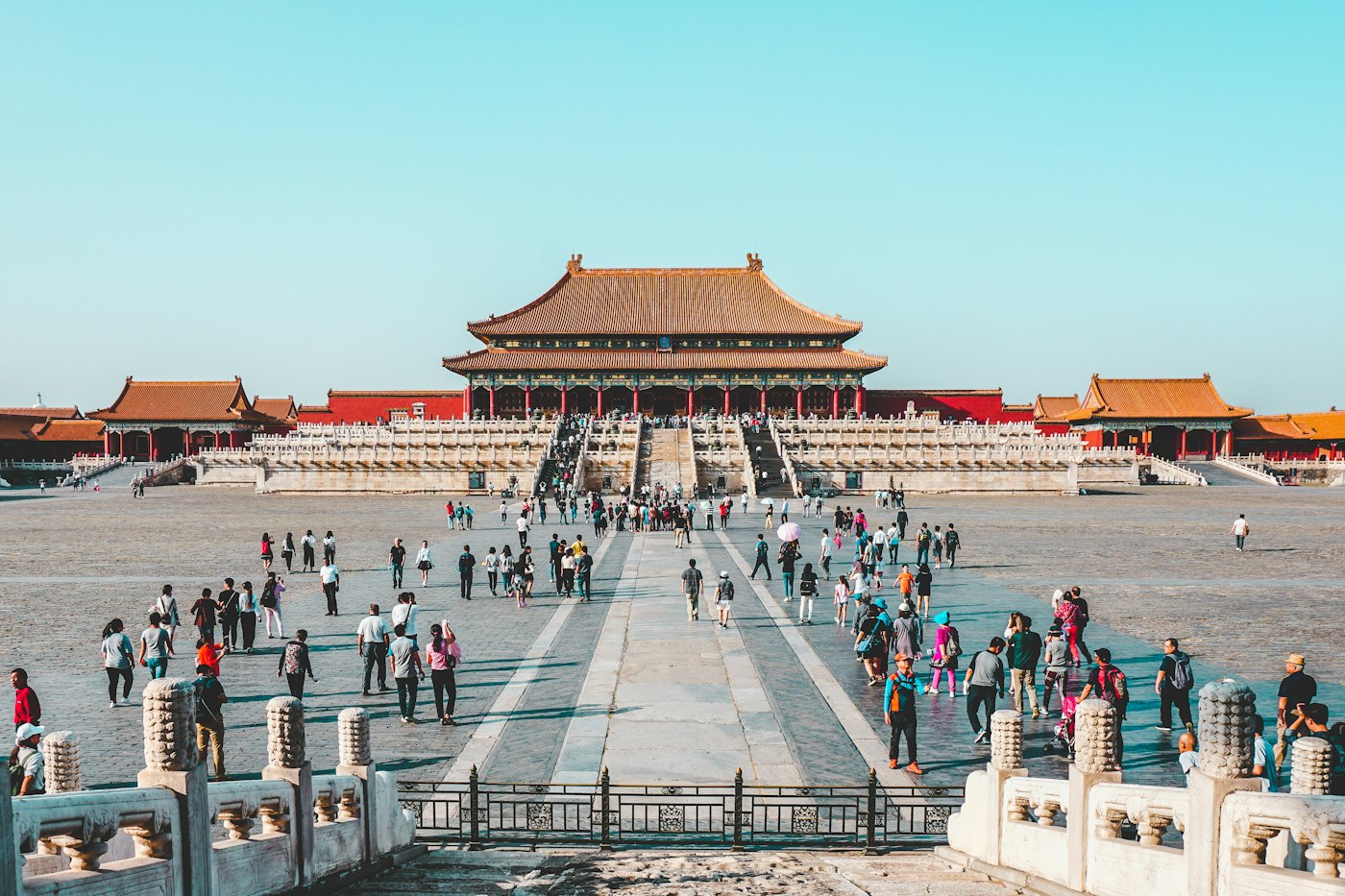 Forbidden City in half a day: a route that doesn’t feel rushed
Enter from Meridian Gate, stick to the central axis, then peel off for one side court. Tickets, bags, and when to arriv…
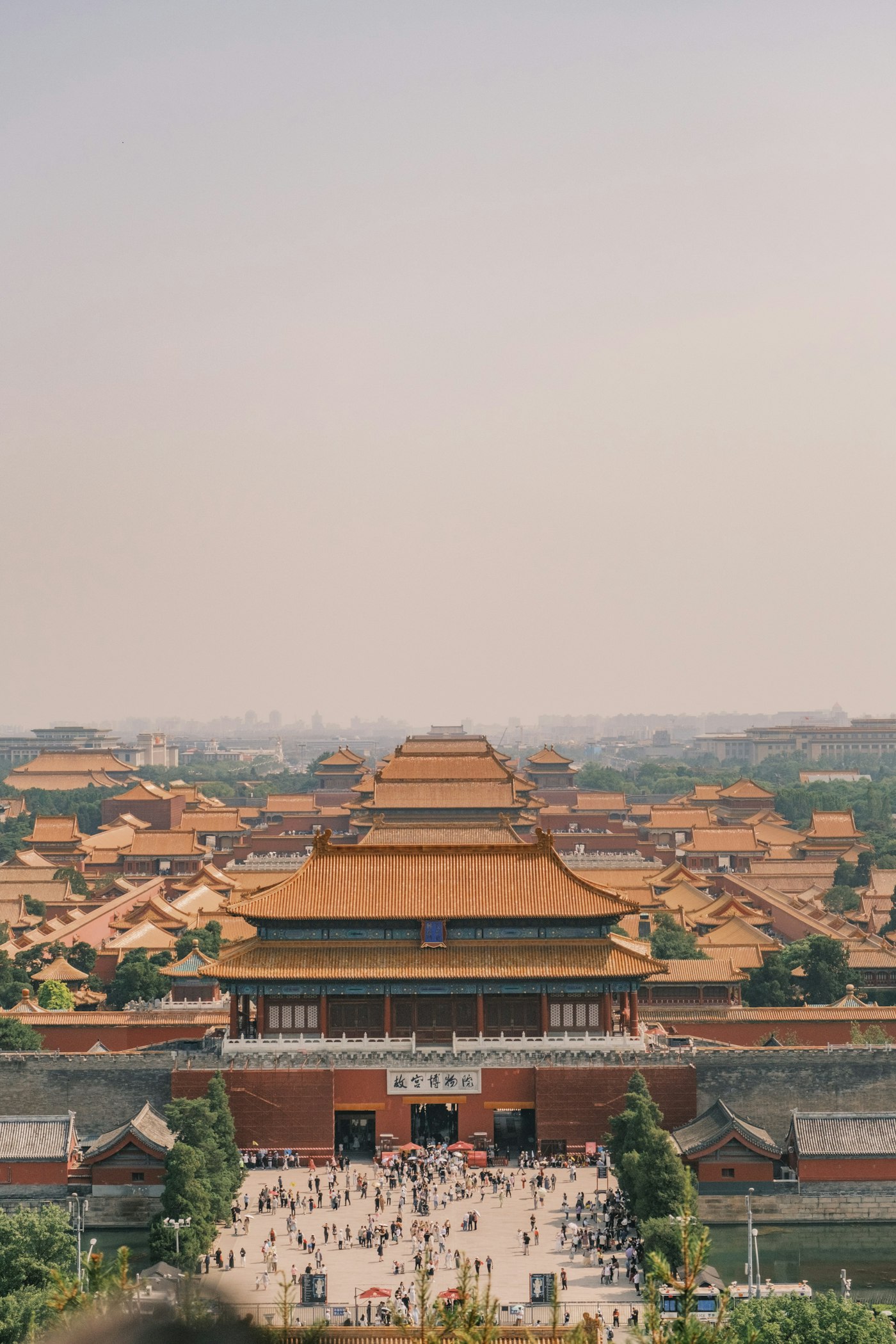 Why the Forbidden City is red and yellow (and what not to do on the marble)
A short read on colors, the outer vs inner court, and visitor manners that keep the site intact.
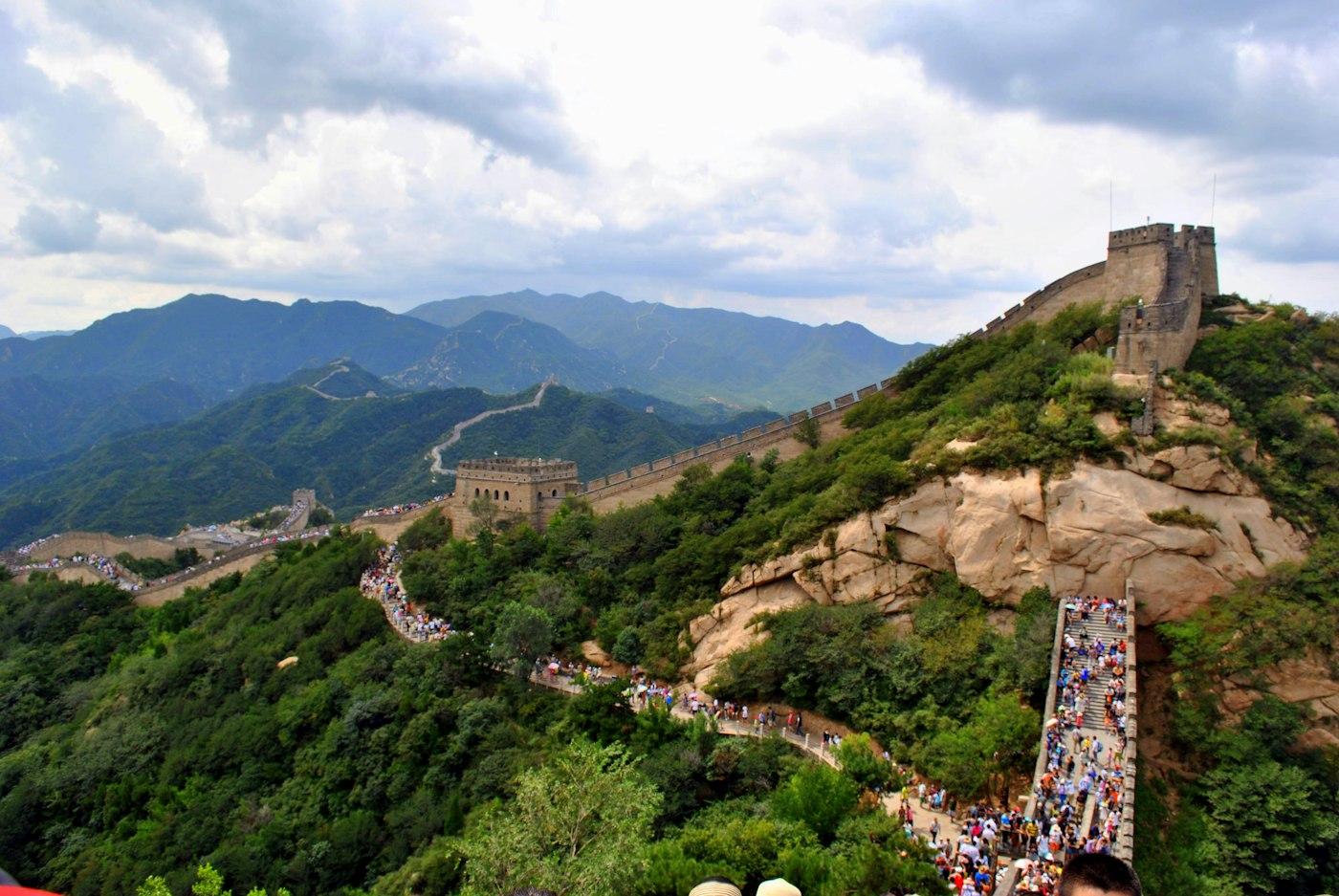 Badaling Great Wall in half a day without the worst crowds
Arrive early, climb one clear section, and know when the cable car is worth it.
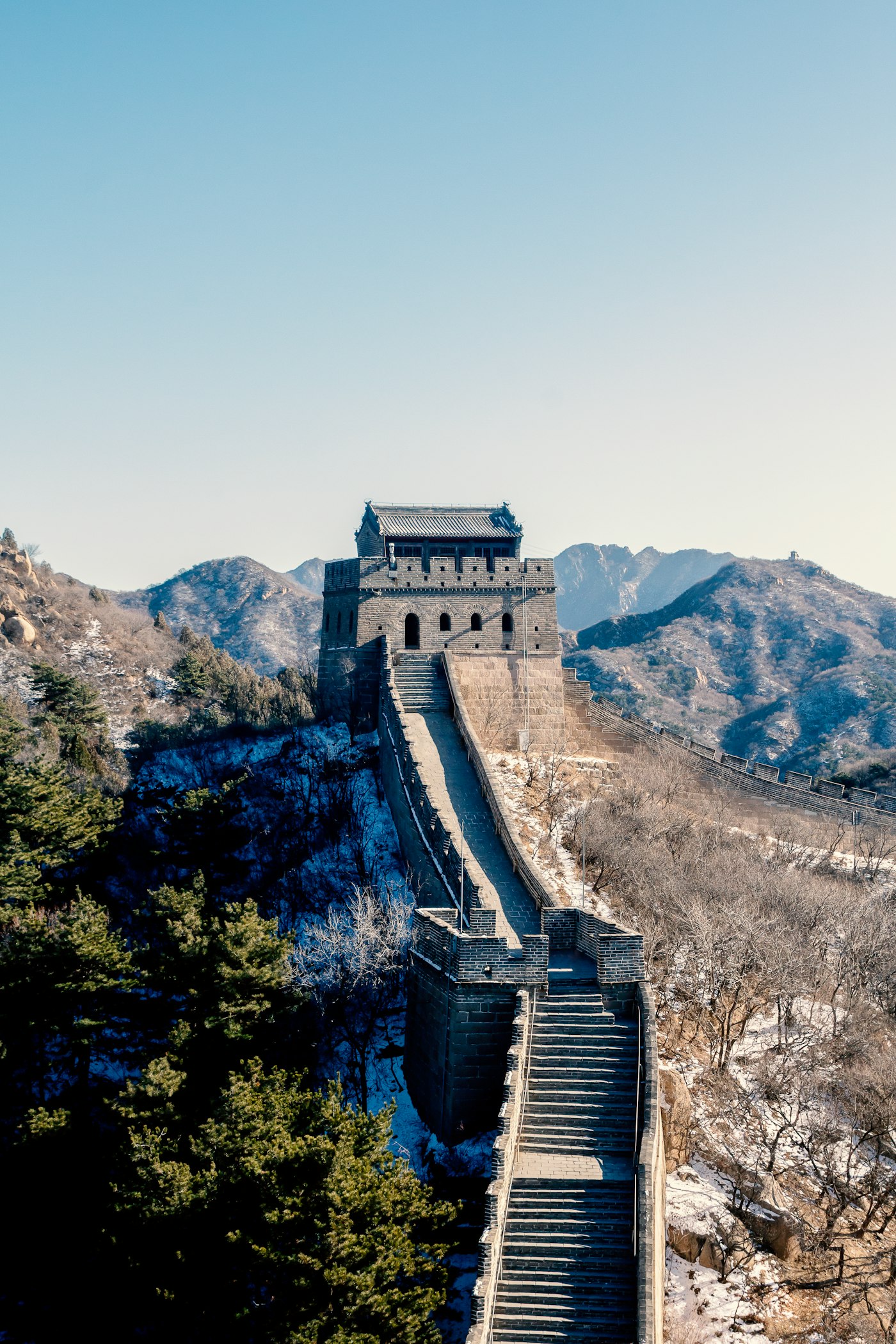 Why the wall zigzags (and what the watchtowers were for)
A short read on ridges, signal fires, and why “wan li” is more poetry than a tape measure.
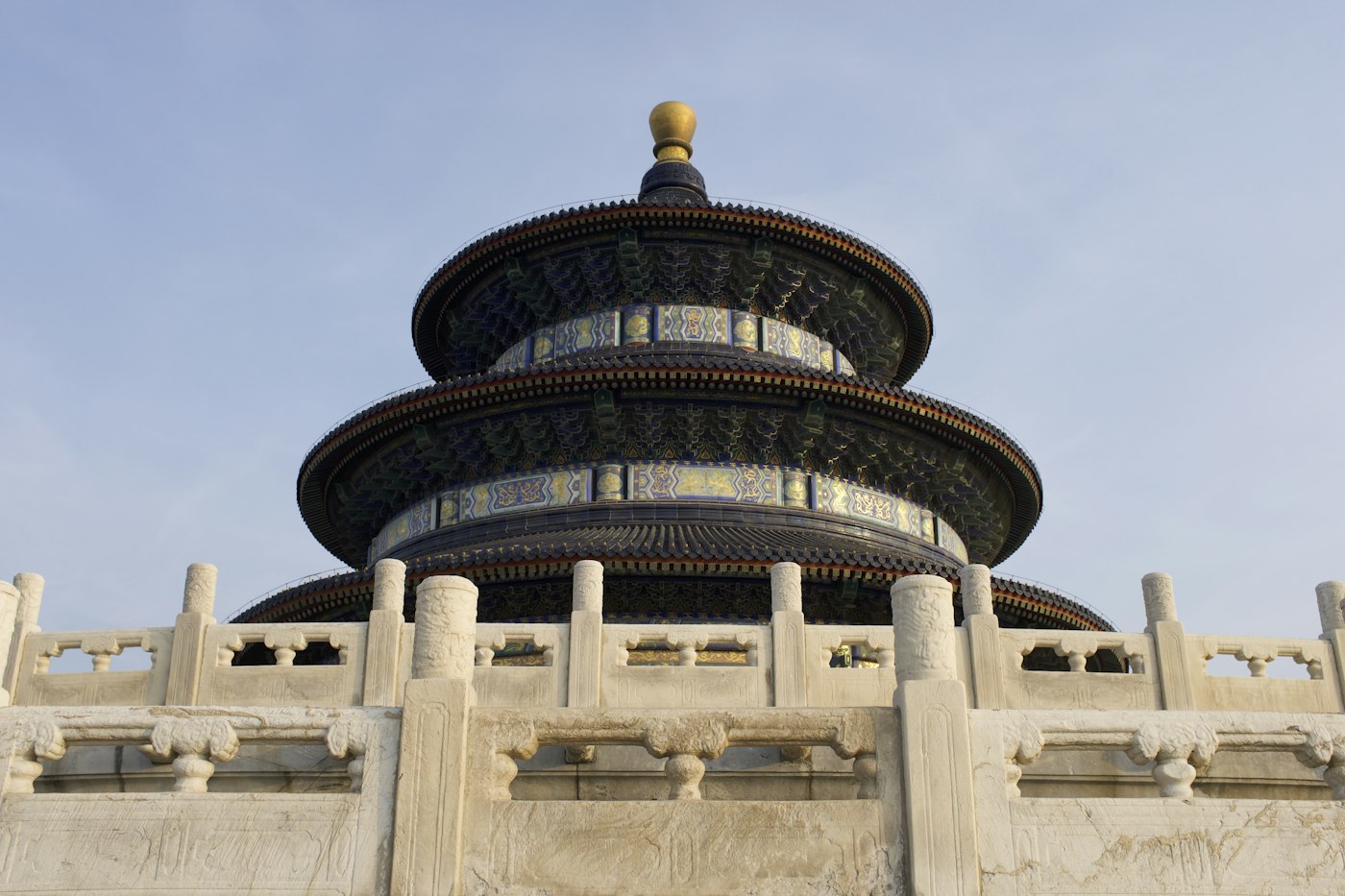 Temple of Heaven: a calm morning route through the park
Enter with locals doing tai chi, walk the axis to the Hall of Prayer, then circle back through cypress shade.
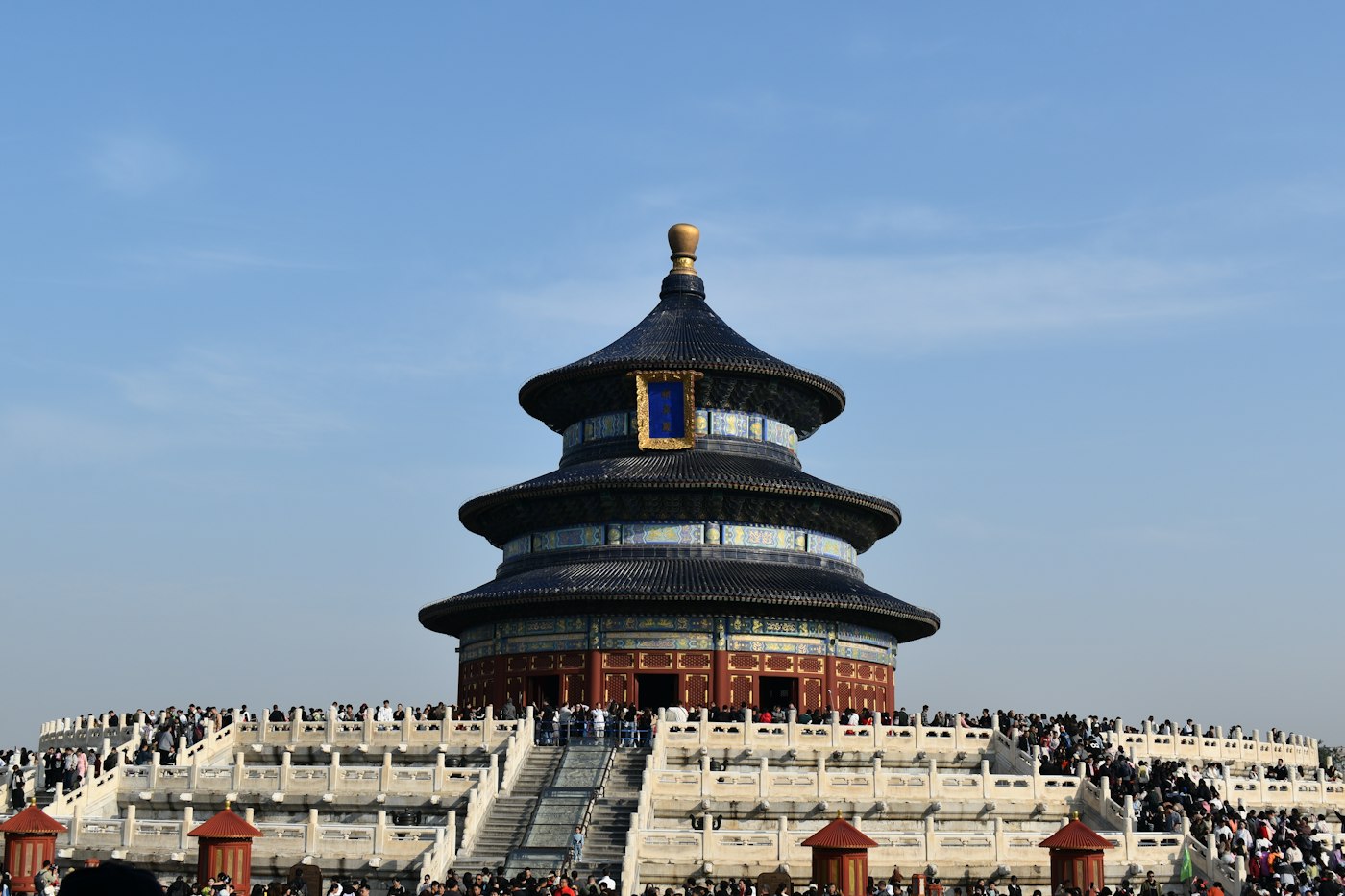 Why the Temple of Heaven is round (heaven, earth, and harvest)
Blue roofs, circular altars, and the emperor’s role as a ritual farmer-in-chief.
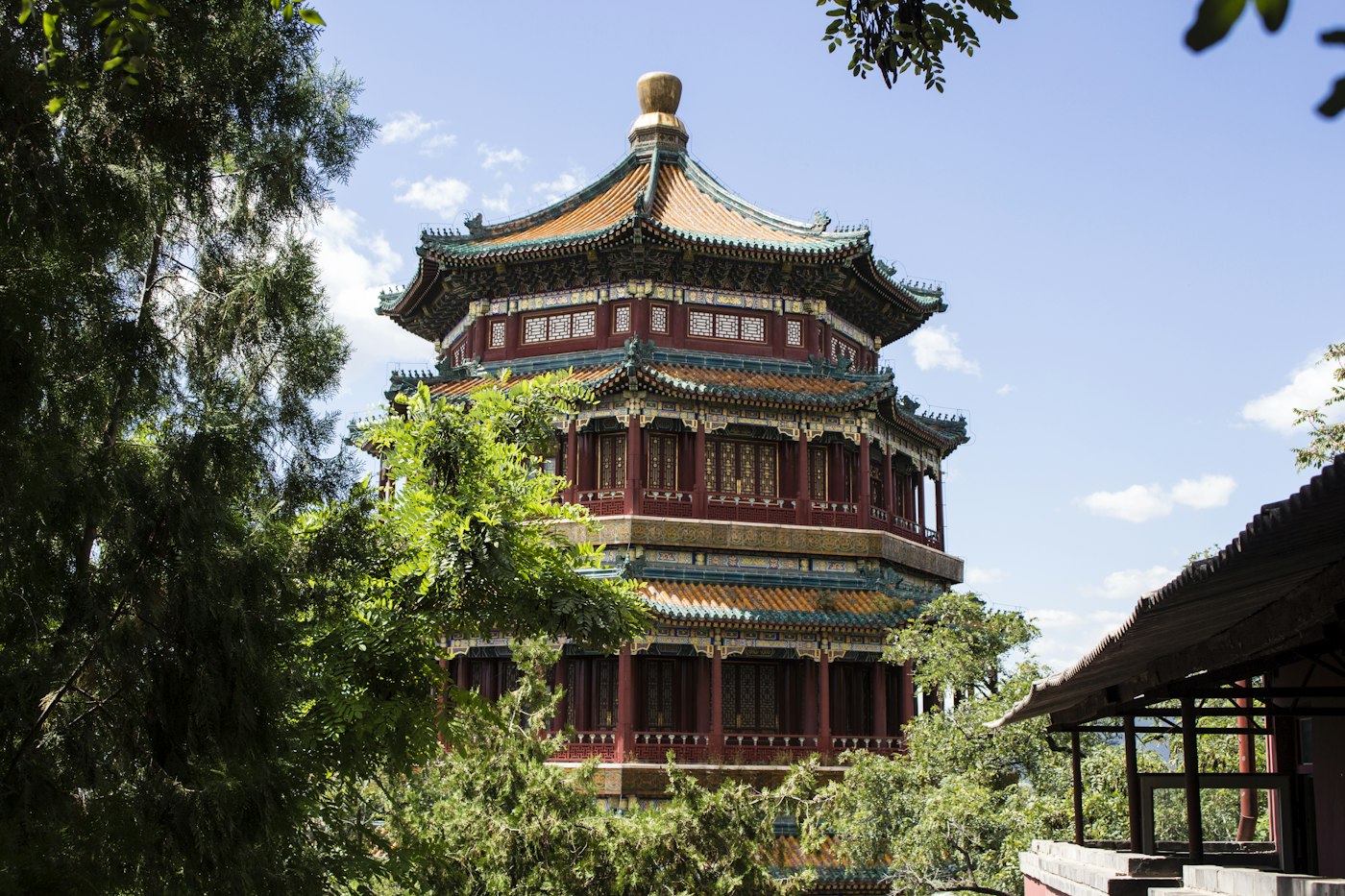 Summer Palace half-day: lakeside first, hill second
Ferry or walk Kunming Lake, then climb toward the Tower of Buddhist Incense if legs allow.
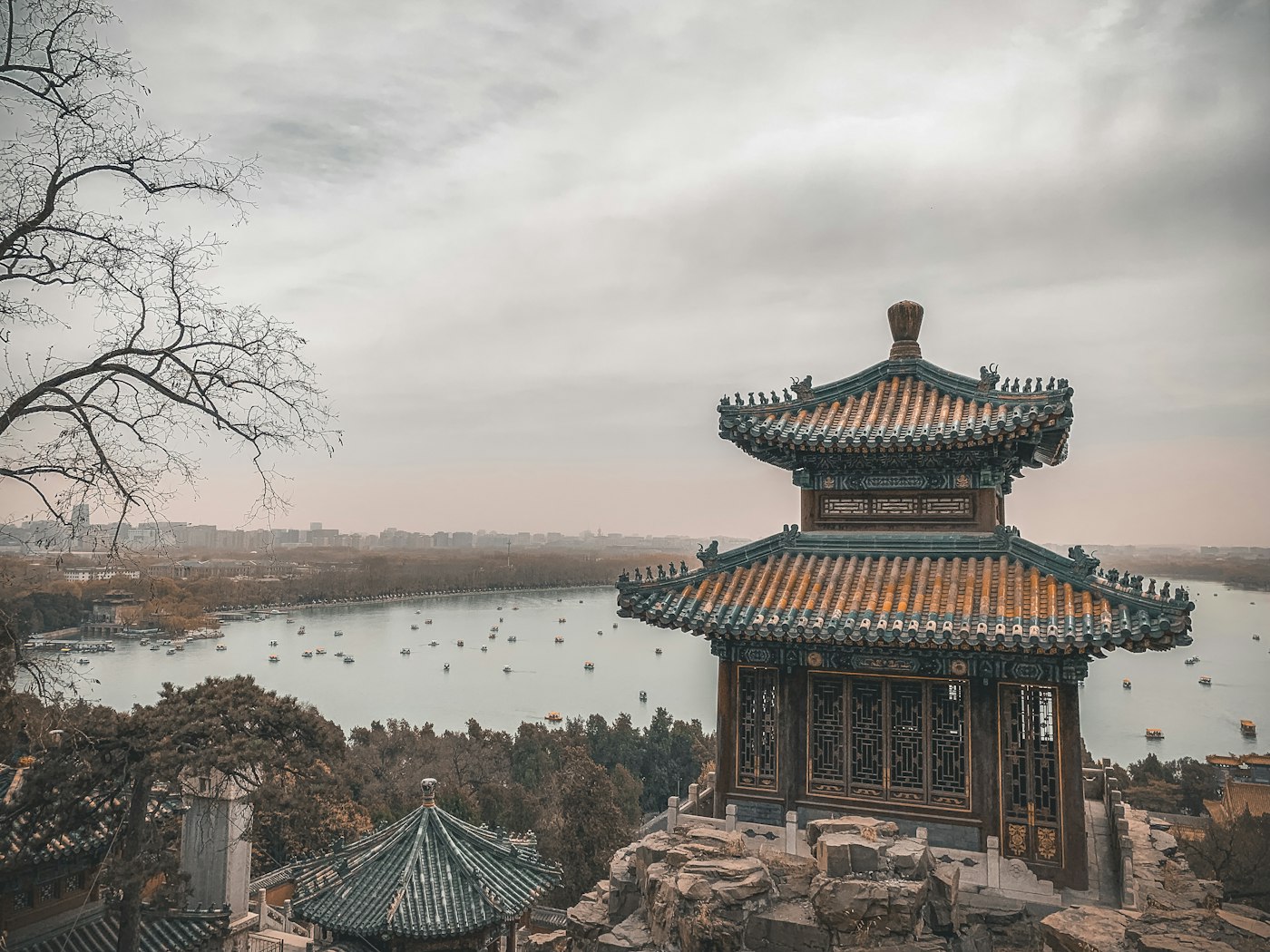 A palace built as a garden: water, longevity, and display
Why Kunming Lake matters, what Longevity Hill signals, and how to read the park as politics in landscape.
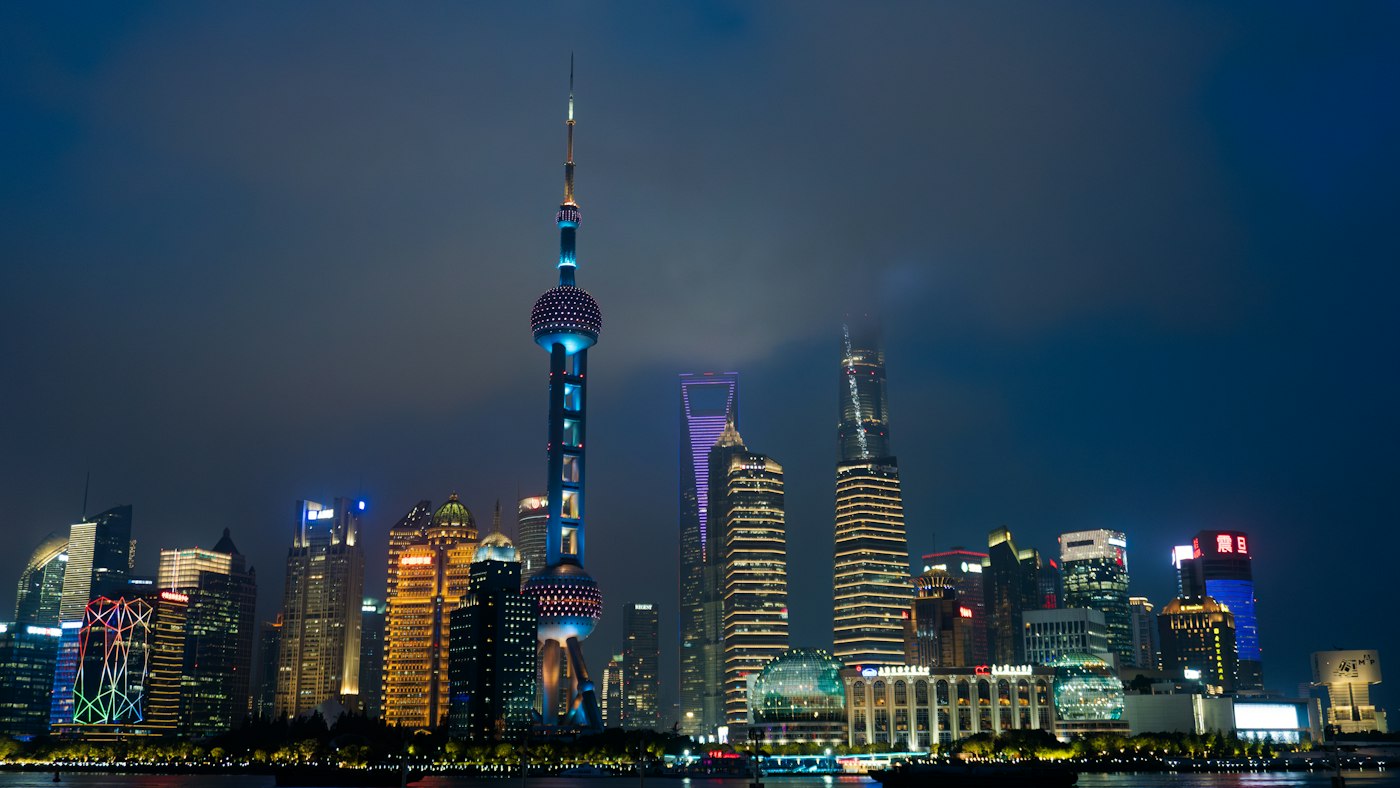 The Bund at dusk: which side to walk and when to arrive
West bank for heritage facades, east bank for skyline. Golden hour beats harsh noon.
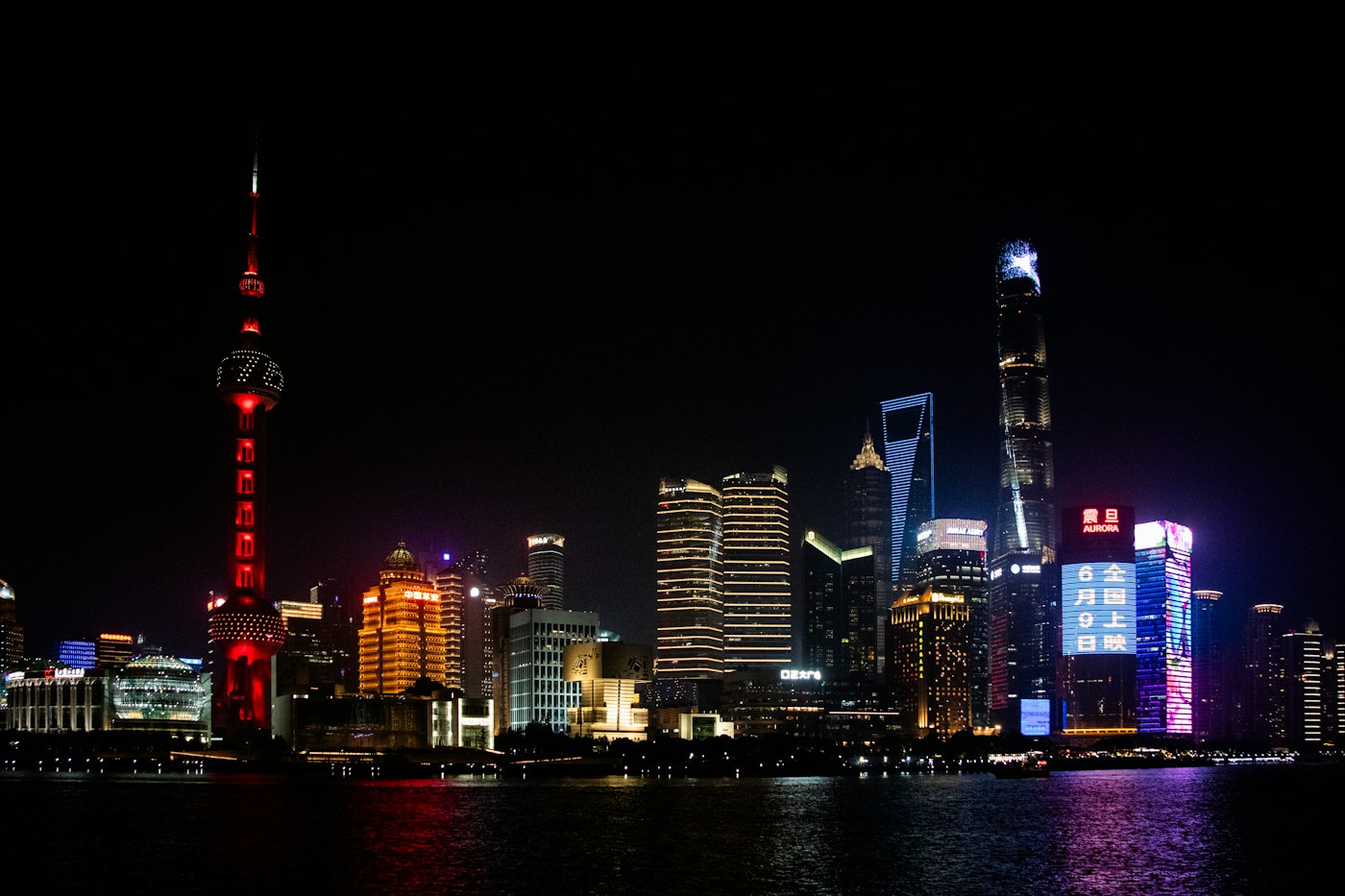 Reading the Bund: banks, concessions, and a skyline dialogue
Why the stone fronts face the river, and how Pudong answers them at night.
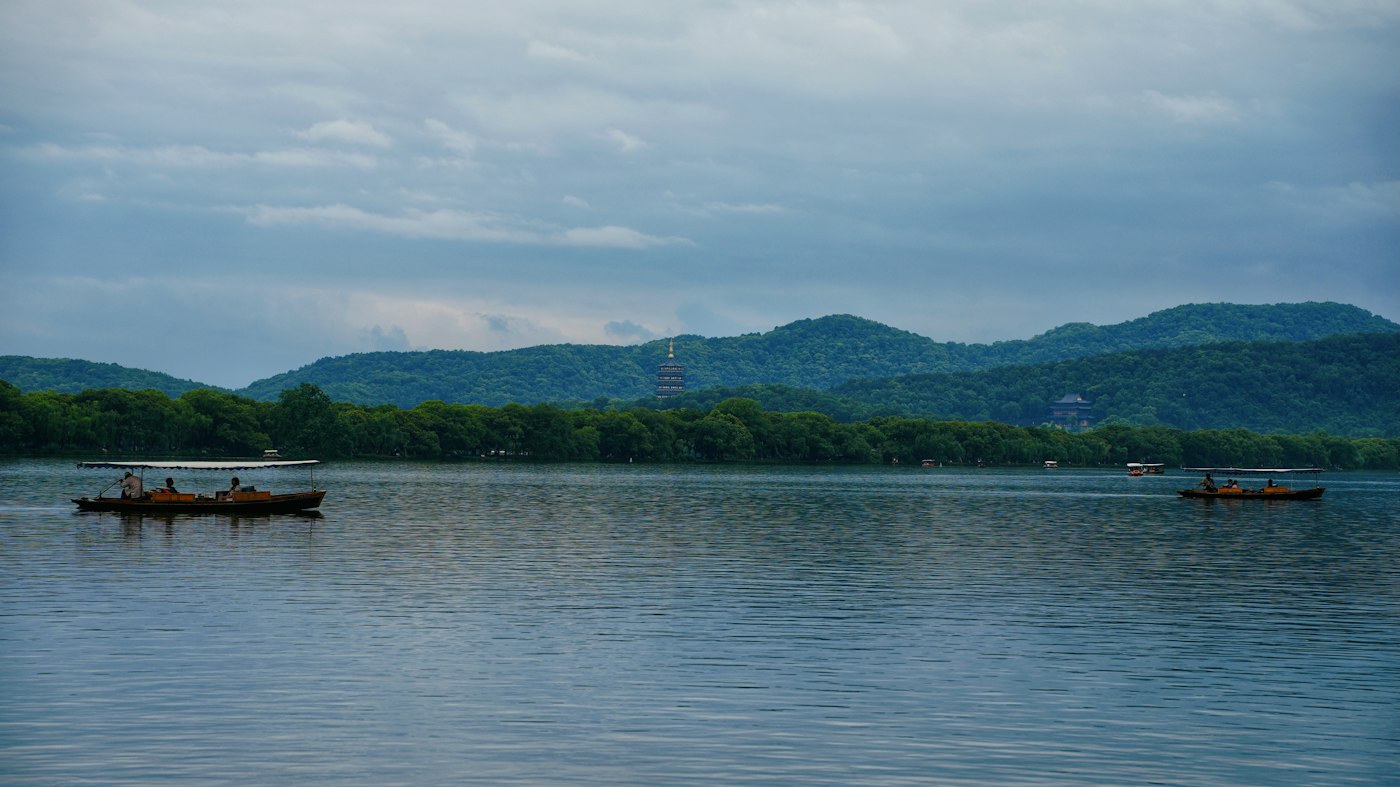 West Lake half-day: one shore, one causeway, no checklist panic
Pick Bai Causeway or Su Causeway, add a lakeside walk, and leave the full ten scenes for another day.
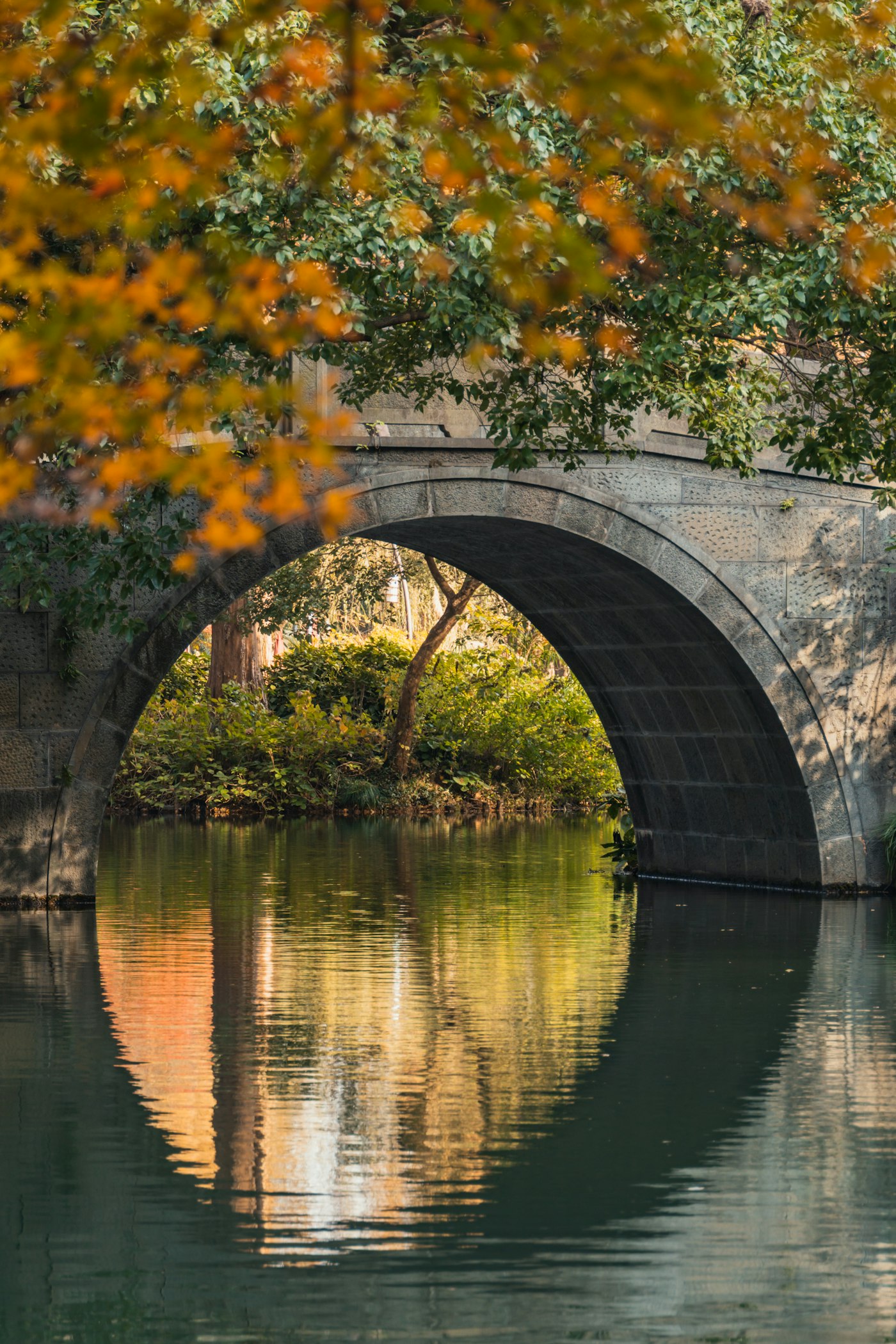 Why West Lake feels like a poem (causeways, names, and borrowed views)
How dykes shaped the water, why scenes have literary titles, and what “borrowed scenery” means here.
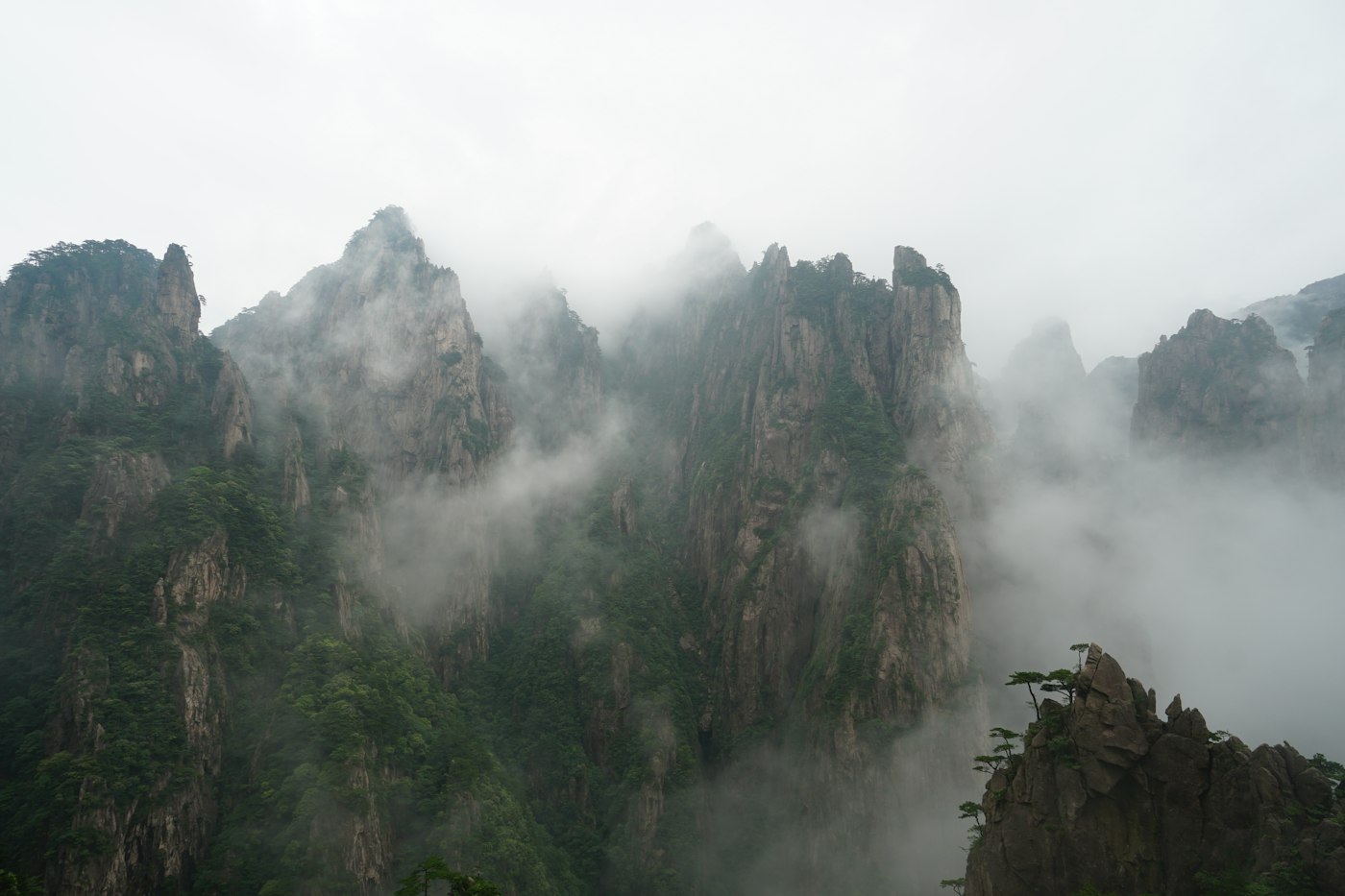 Huangshan in one long day: cable car up, walk the highs, descend before dark
Weather windows, shoe grip, and a route that prioritizes sea-of-clouds viewpoints.
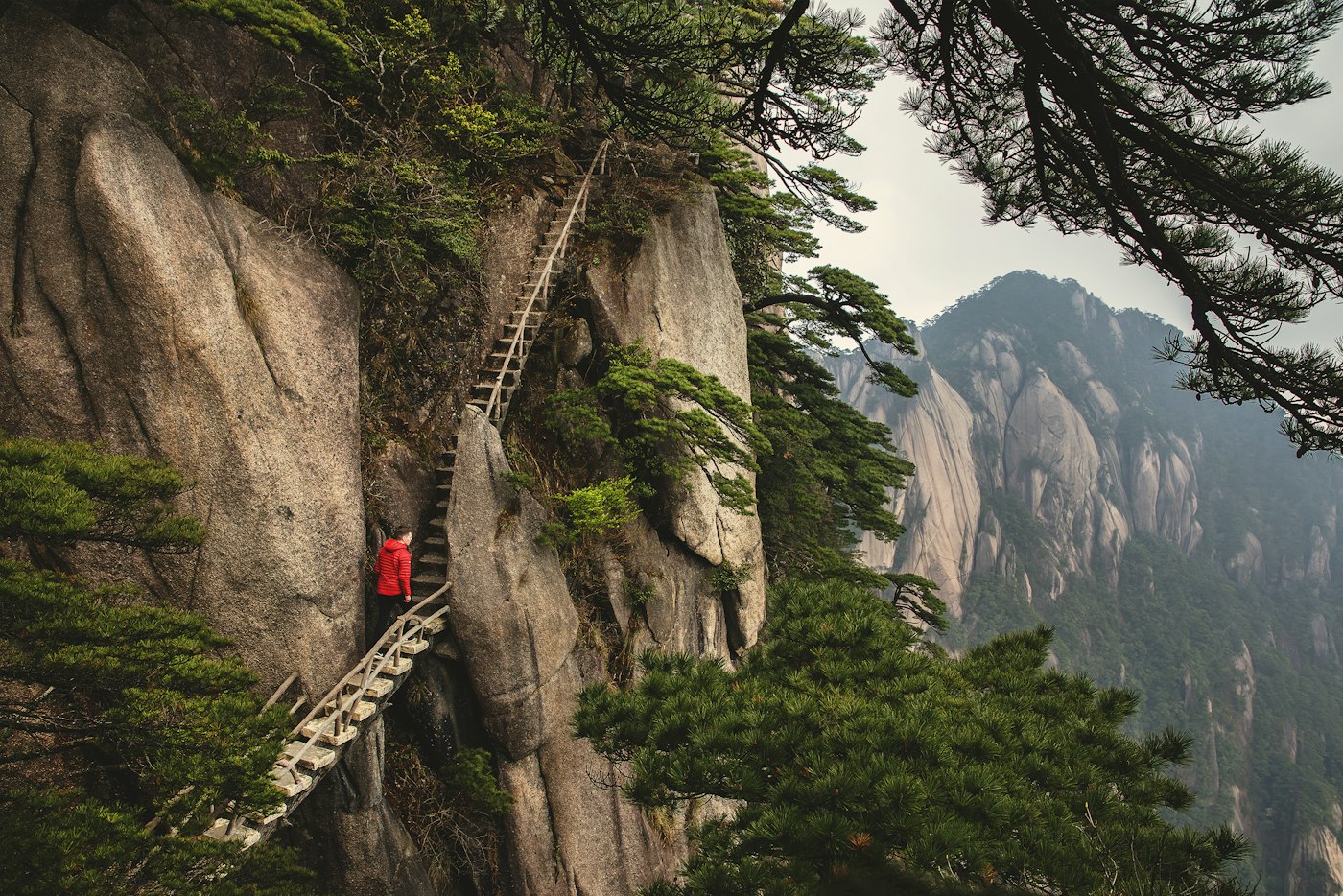 Pines, granite, and clouds: how Huangshan shaped Chinese landscape taste
Why painters loved these peaks, and what “odd pines” and seas of cloud meant in art.
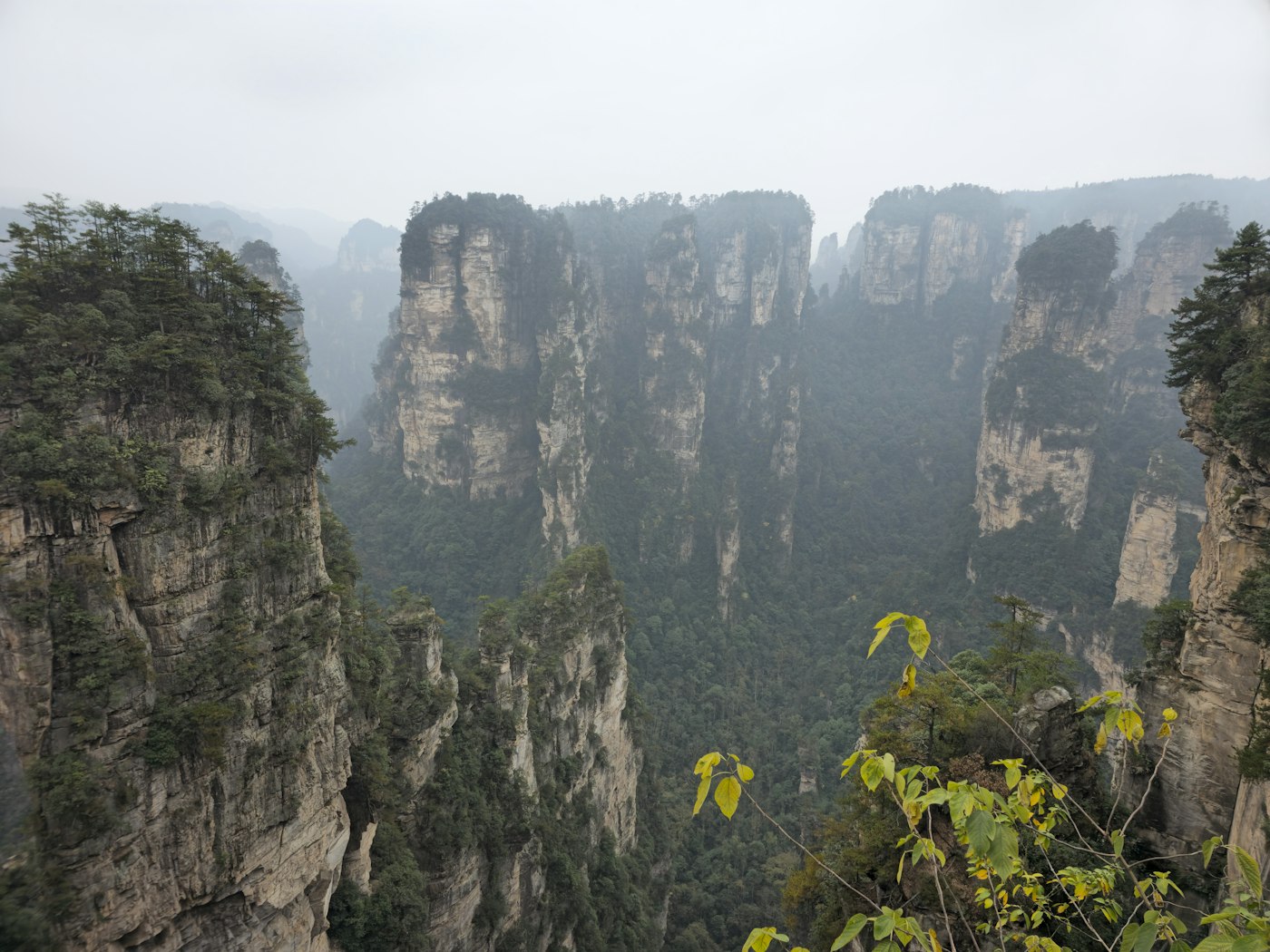 Zhangjiajie first day: pillars, parks passes, and not overdoing trails
Use park transport, pick one pillar zone, and save energy for viewpoints—not every staircase.
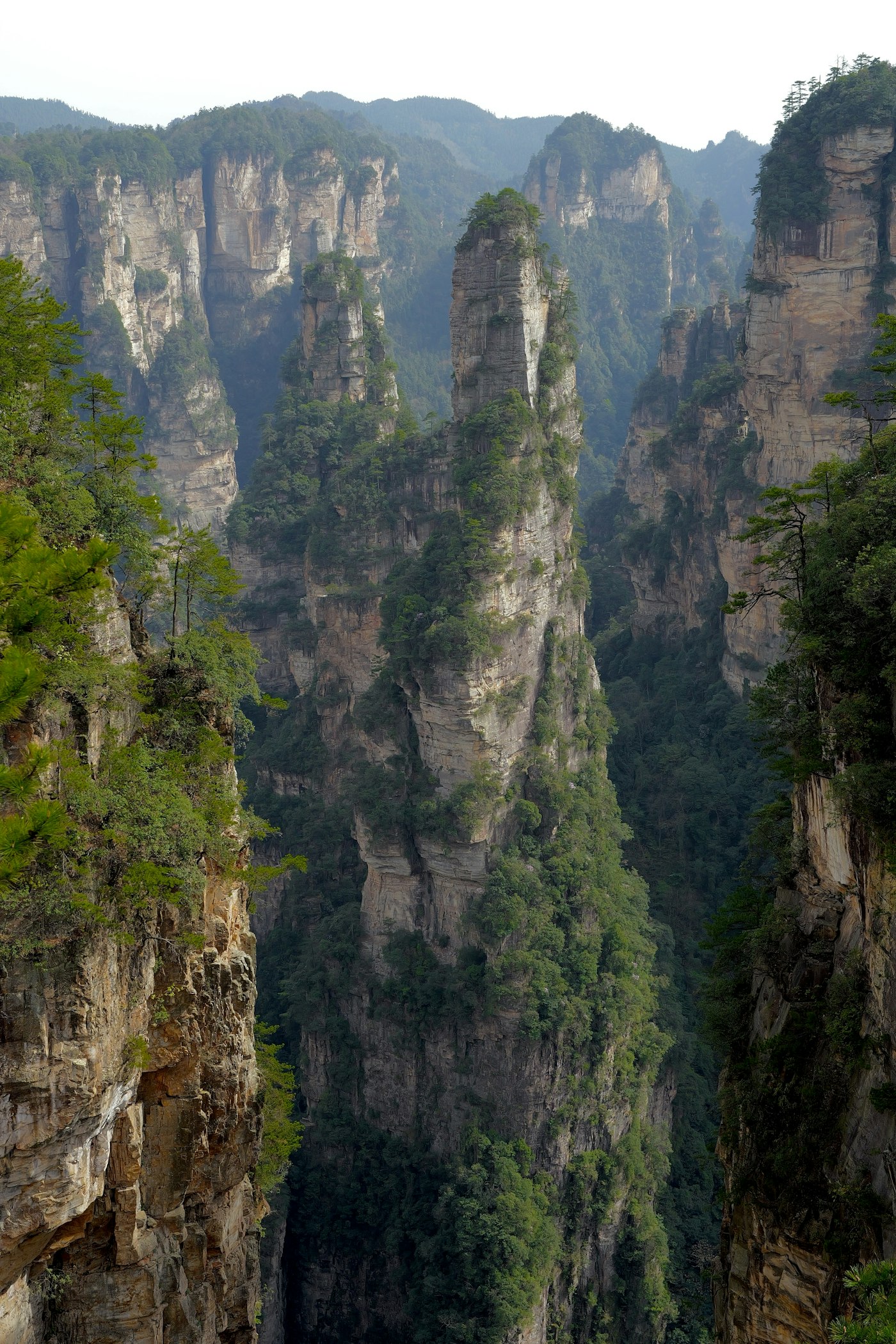 Stone pillars and floating mountains: landscape before the movie
How quartz sandstone fractures into towers, and why the place feels otherworldly even without film references.
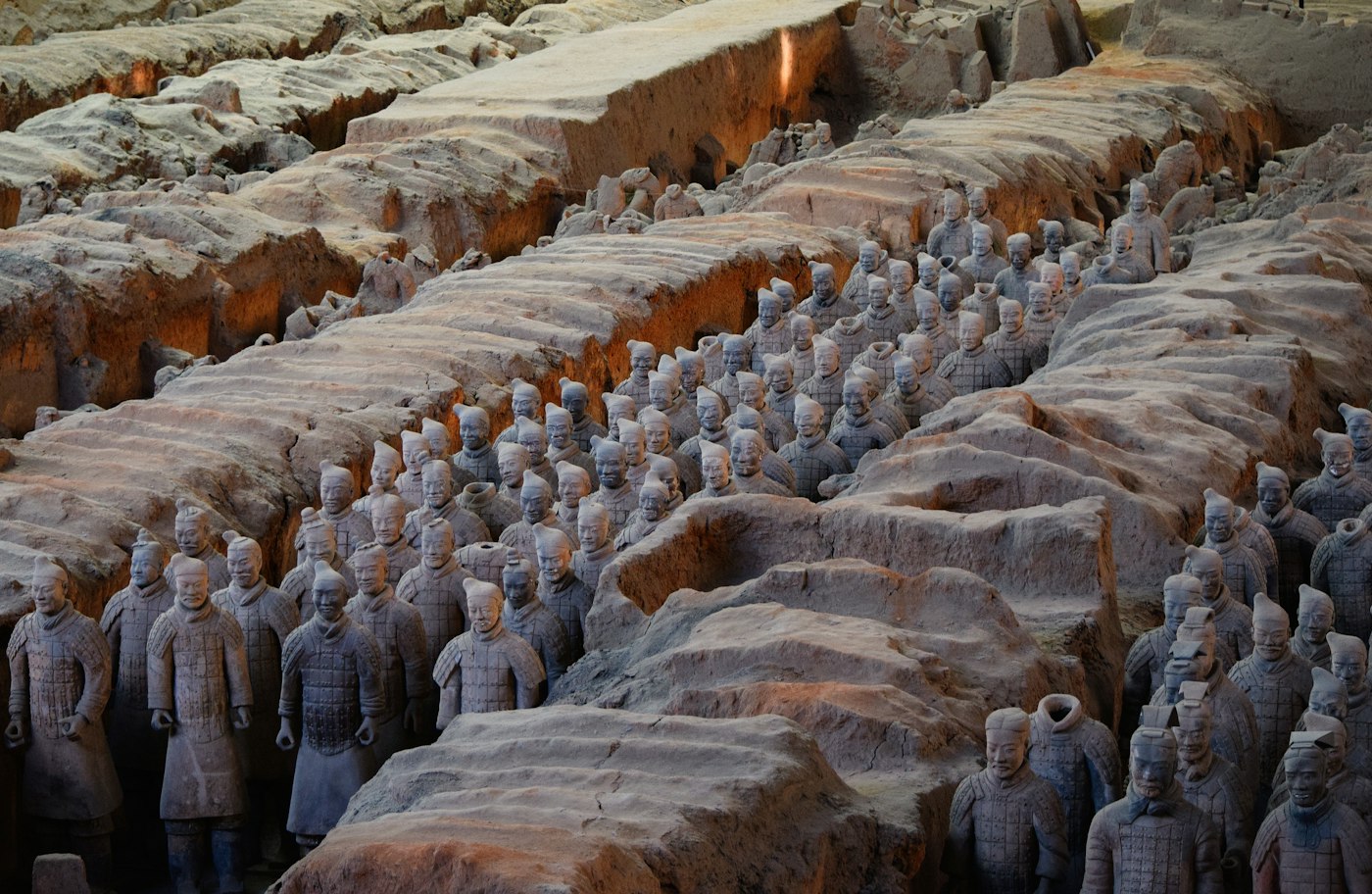 Terracotta Warriors: which pits to see first and how long to stay
Start with Pit 1 for the army shock, then smaller pits for variety. Booking and photo rules matter.
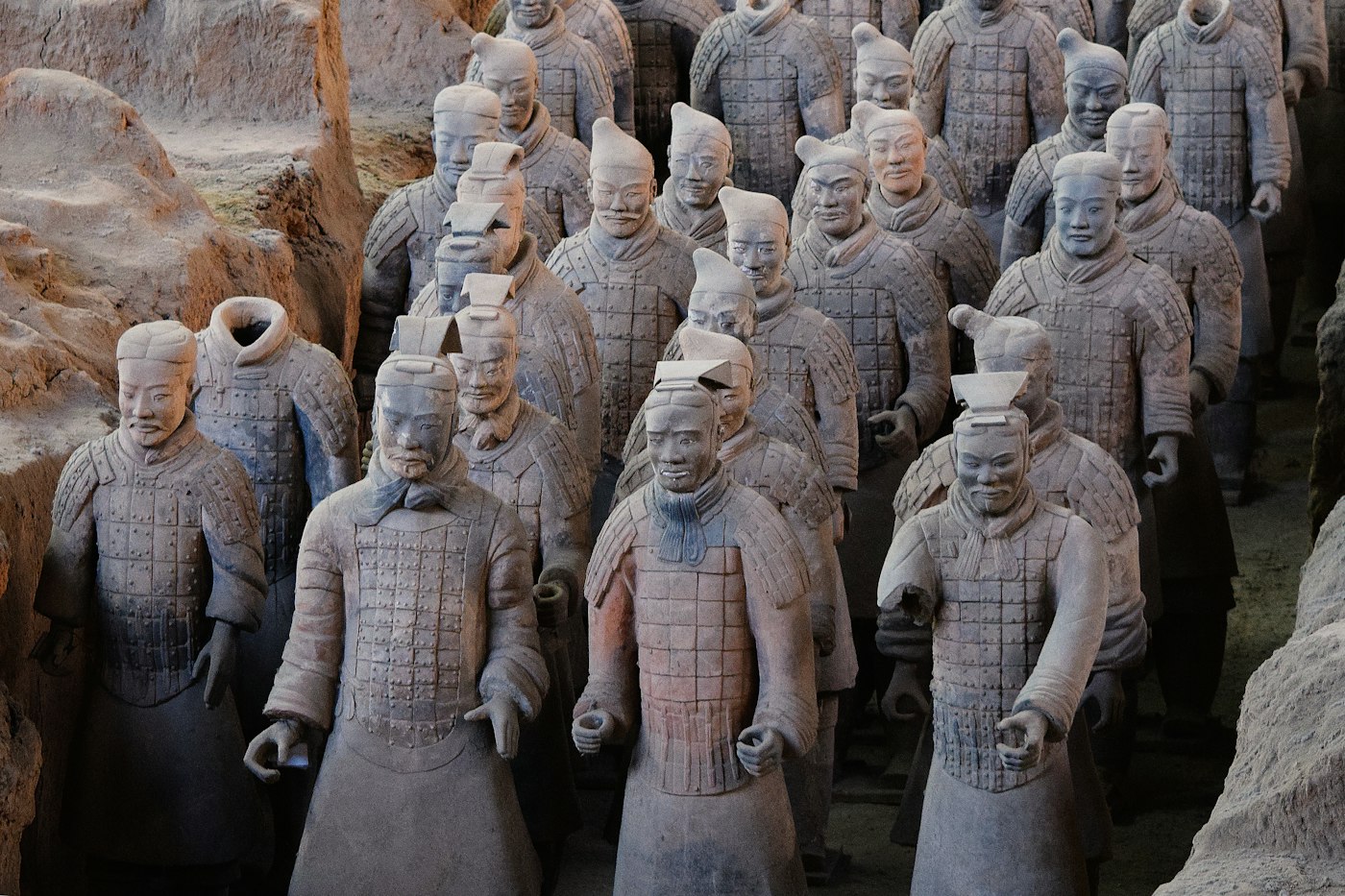 Why bury an army: empire, afterlife, and clay faces
A brief look at Qin ambition, funerary logic, and why each face feels individual.
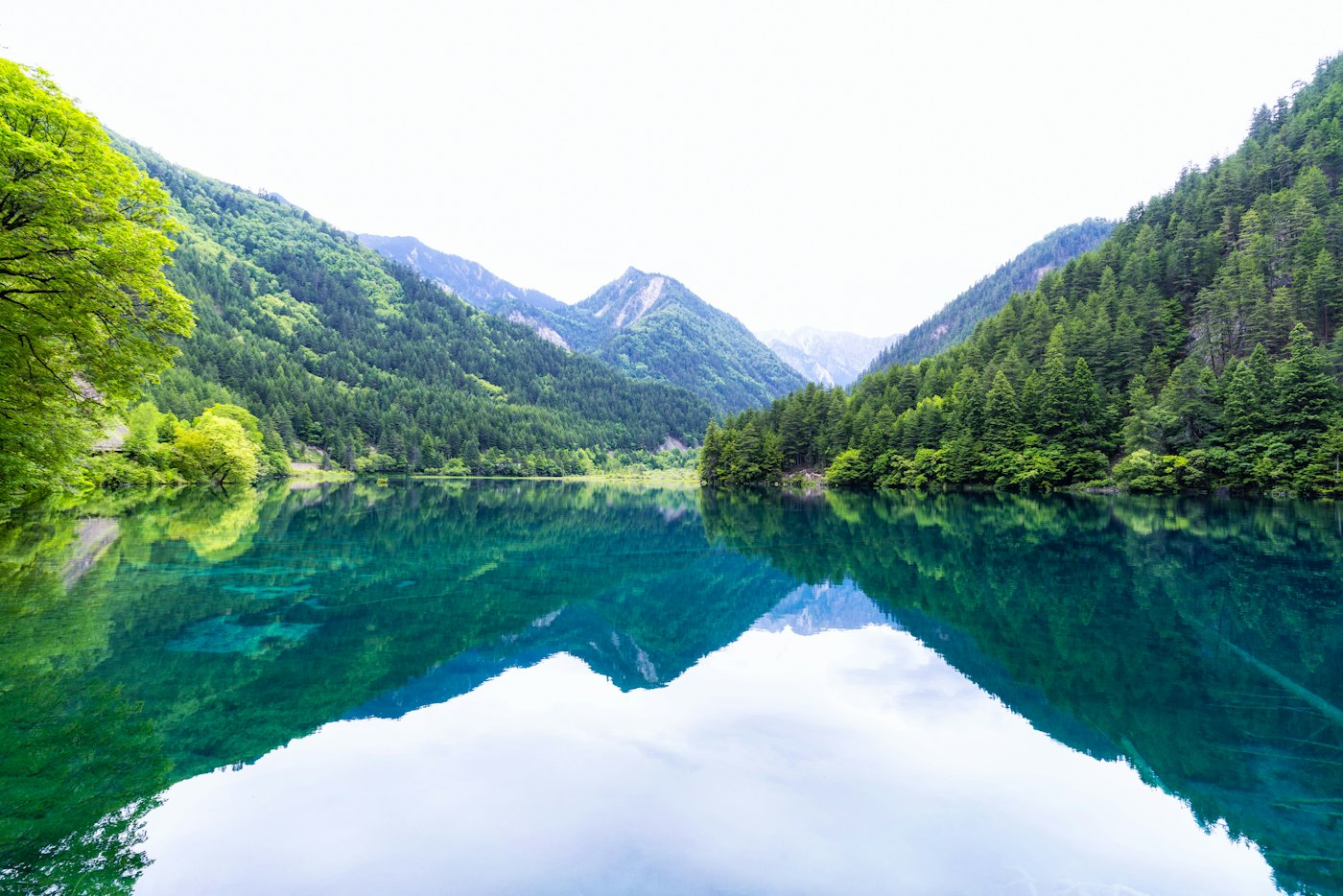 Jiuzhaigou day plan: buses, boardwalks, and which lakes to prioritize
Follow park shuttles, walk selected boardwalks, and protect the water by staying on paths.
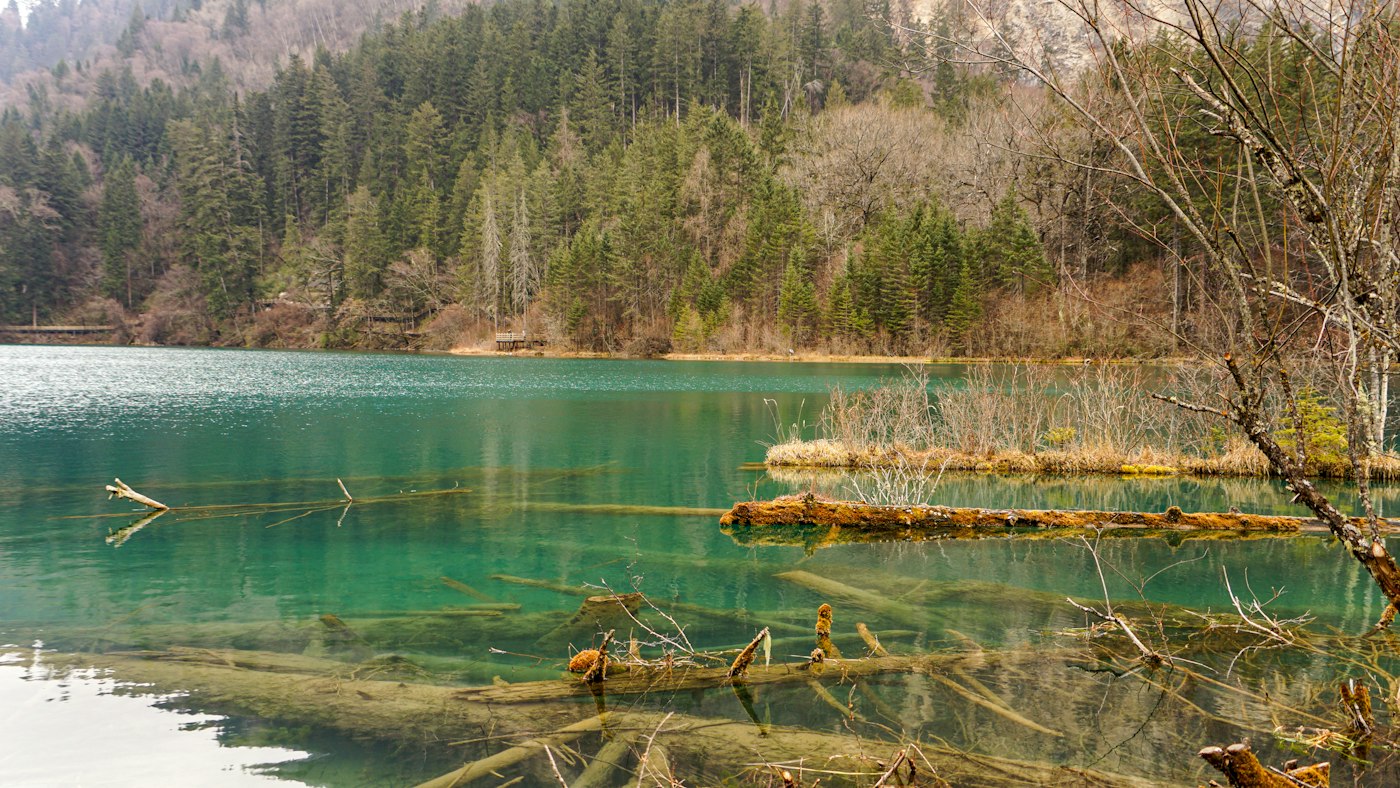 Why the water looks painted: calcium, light, and Tibetan place names
A plain-language note on mineral water color, sacred landscape feelings, and visiting lightly.
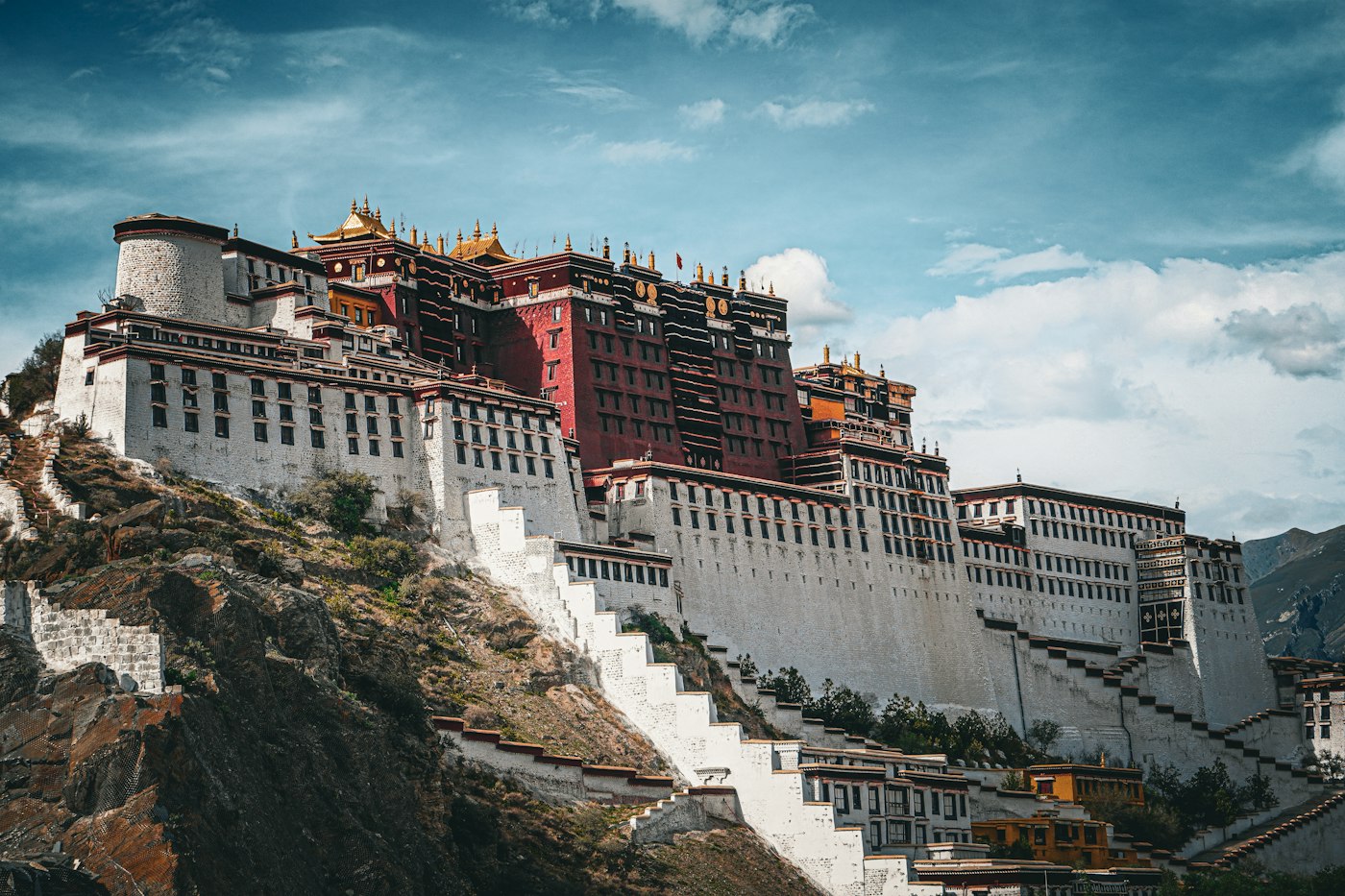 Potala Palace: tickets, altitude, and a respectful visit pace
Reserve early, climb slowly, and expect timed entry more than free roaming.
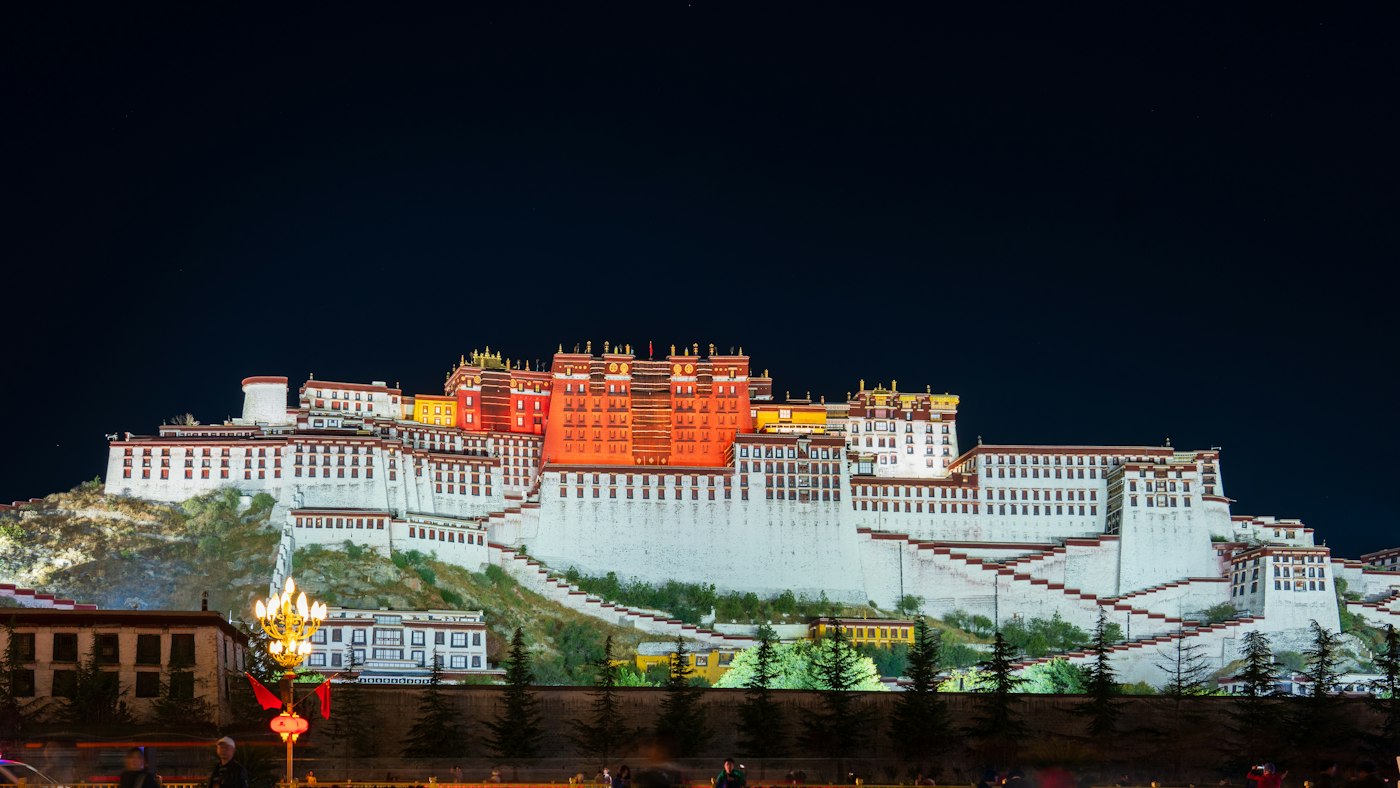 White and red: palace, fortress, and sacred mountain in stone
How the Potala reads as residence, political center, and pilgrimage landmark at once.
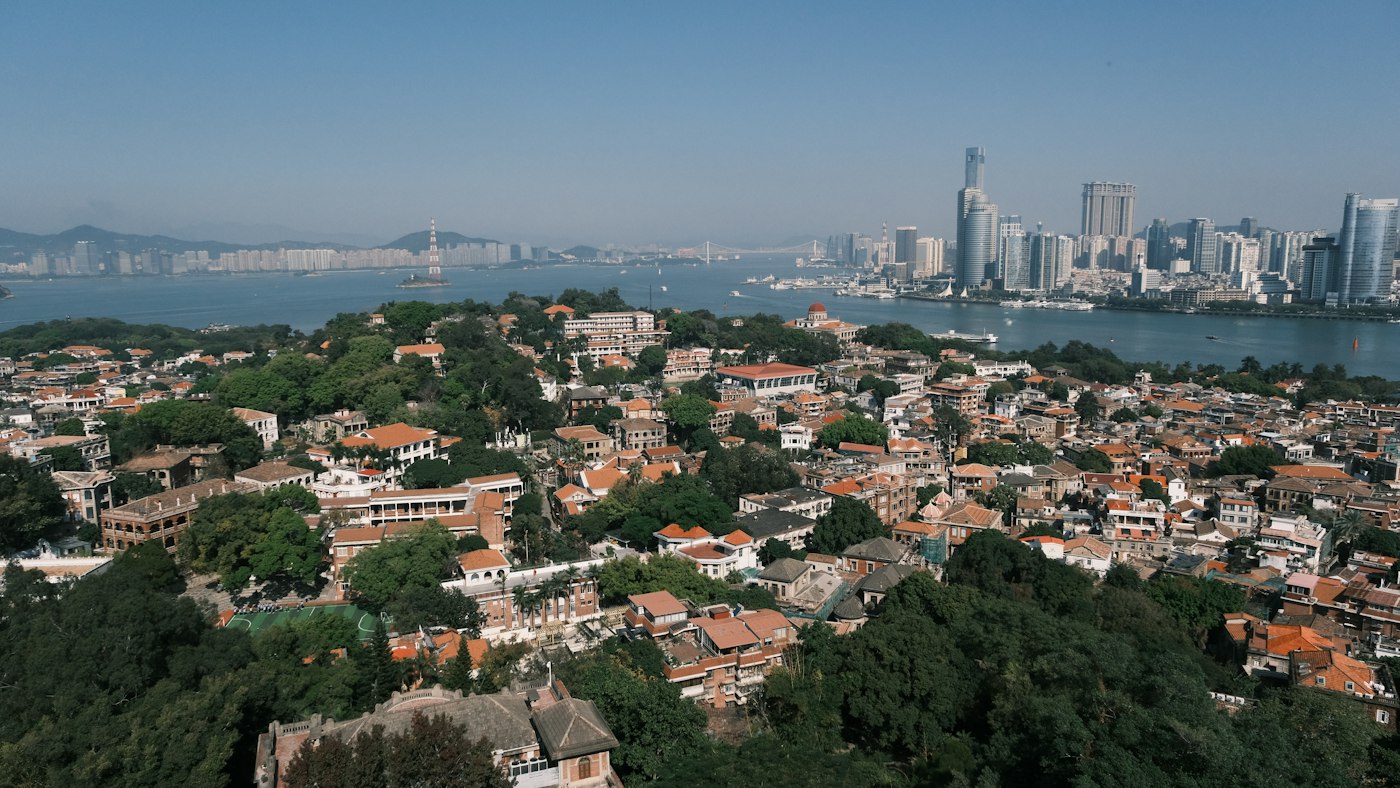 Gulangyu half-day: ferry, hills, and not getting lost in alleys
Take the ferry early, walk one ridge and one shore loop, leave shopping for the end.
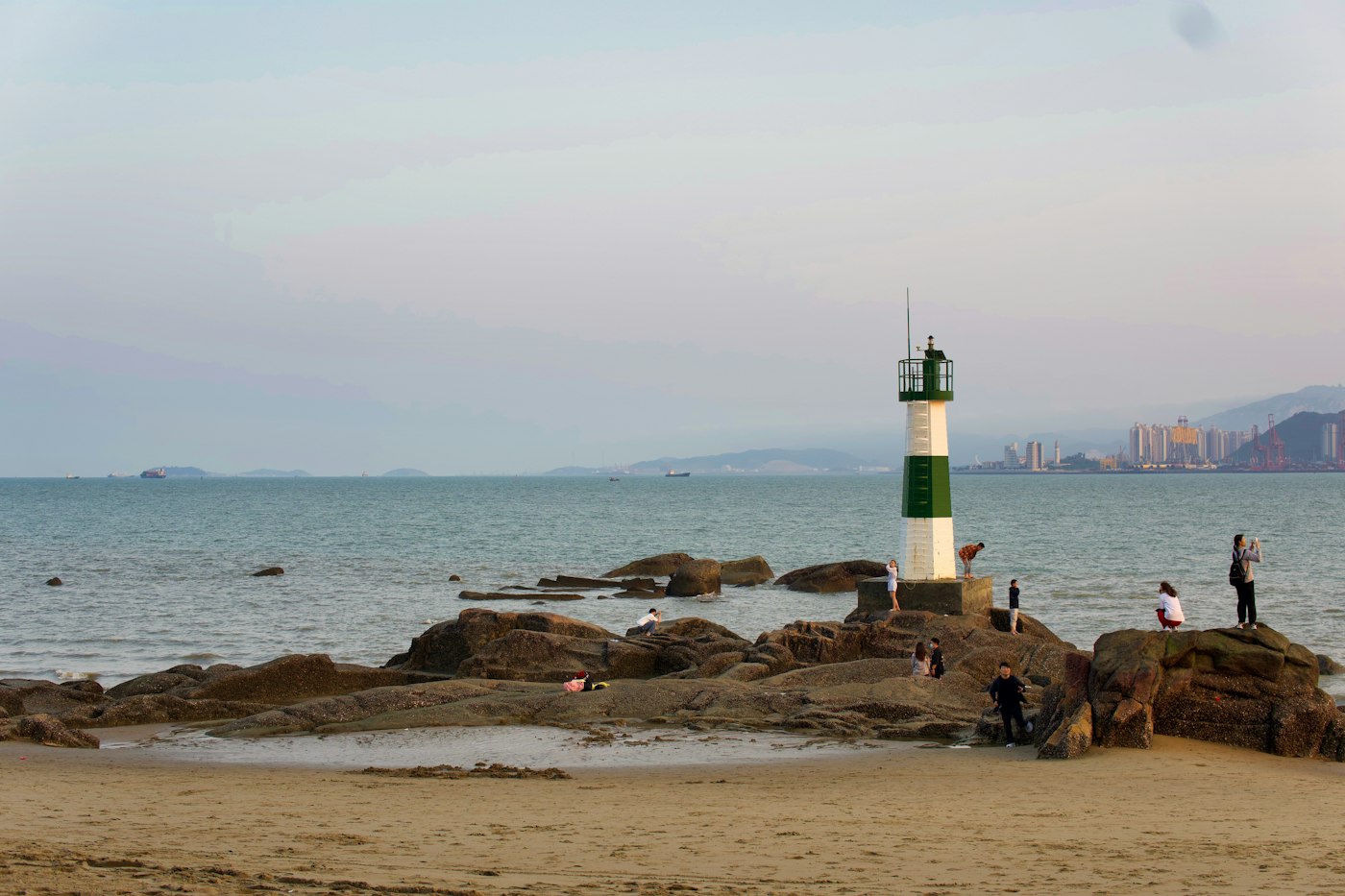 Why Gulangyu looks European: concession history and piano culture
A short read on treaty-port villas, mixed architecture, and the island’s music nickname.
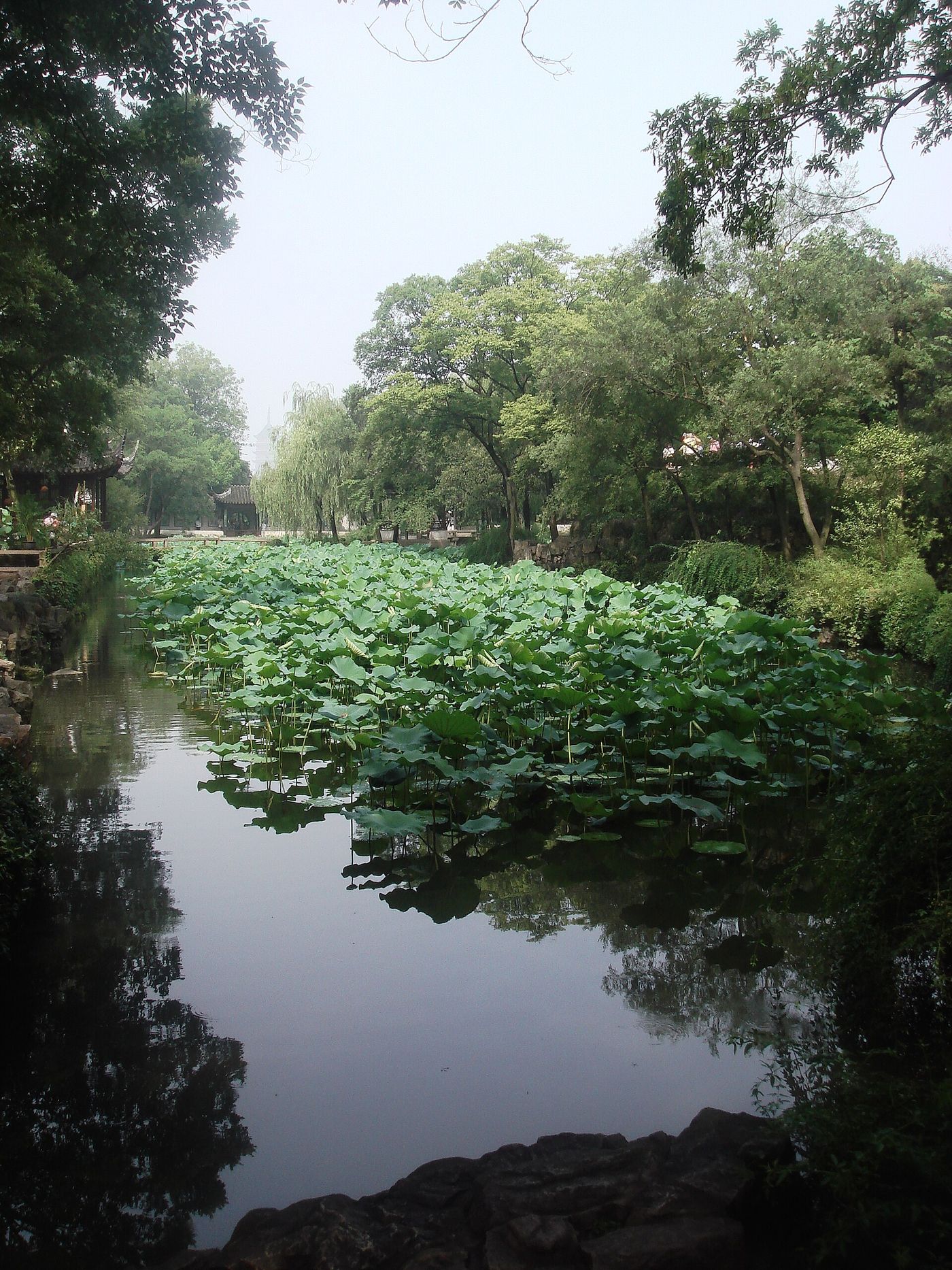 Humble Administrator’s Garden: a slow circuit that actually feels calm
Enter early, follow water edges, and resist racing every pavilion.
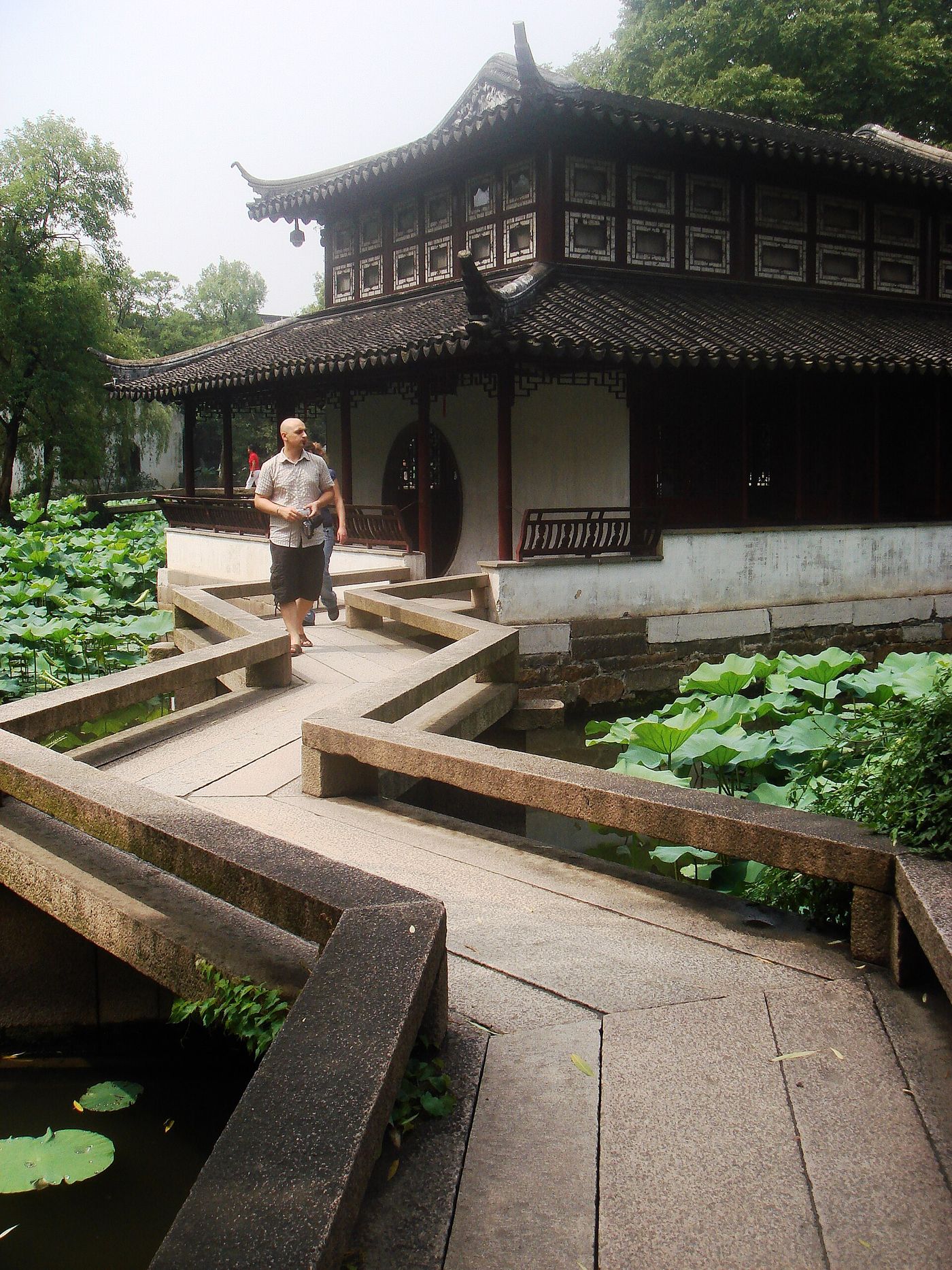 What “humble” means here: retreat, water, and borrowed views
Literati taste in a merchant city—how ponds and names stage a private cosmos.
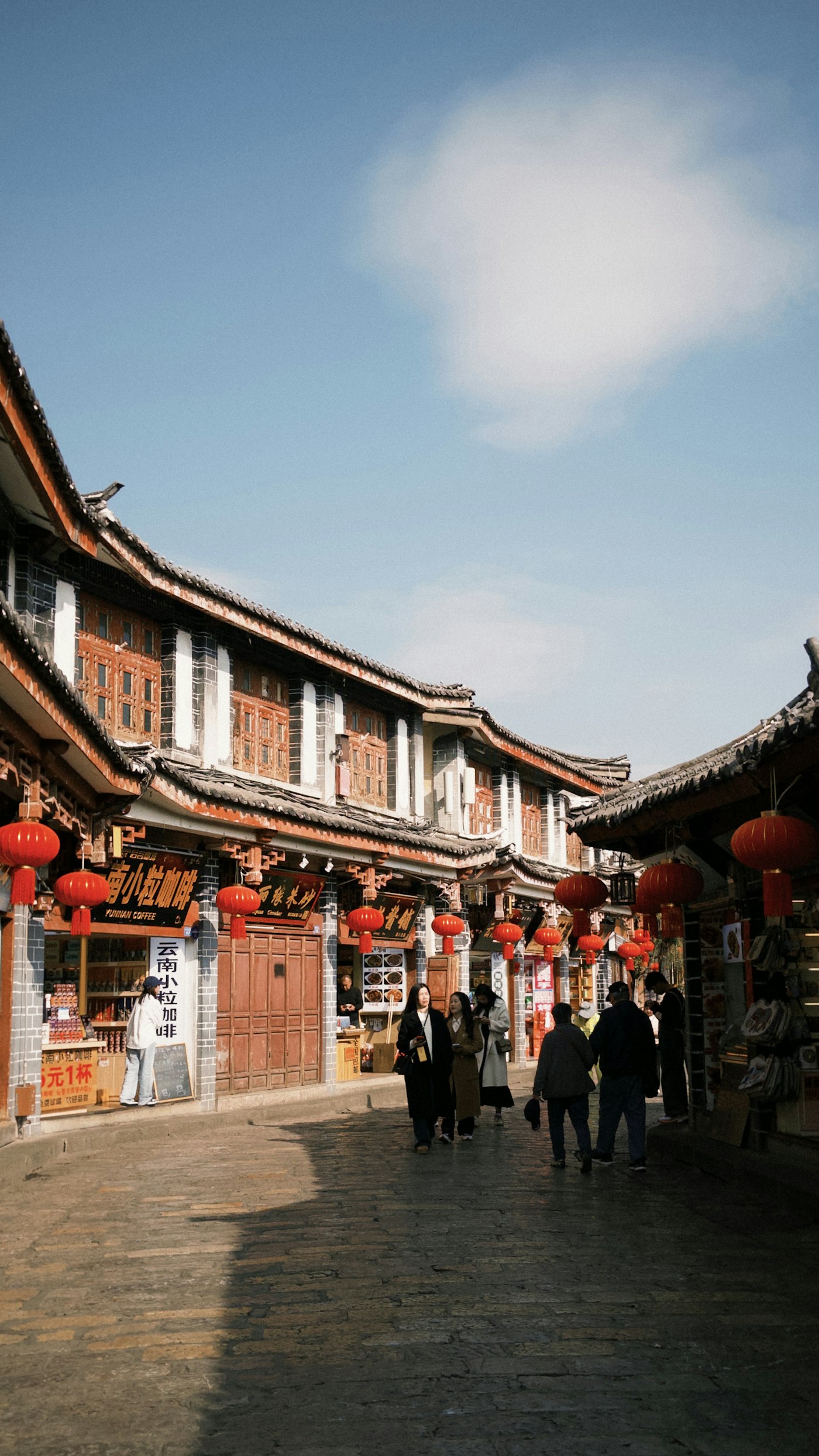 Lijiang Old Town: when to walk and how to escape the souvenir crush
Use daylight for lanes and canals; evenings for lights—but duck into quieter quarters.
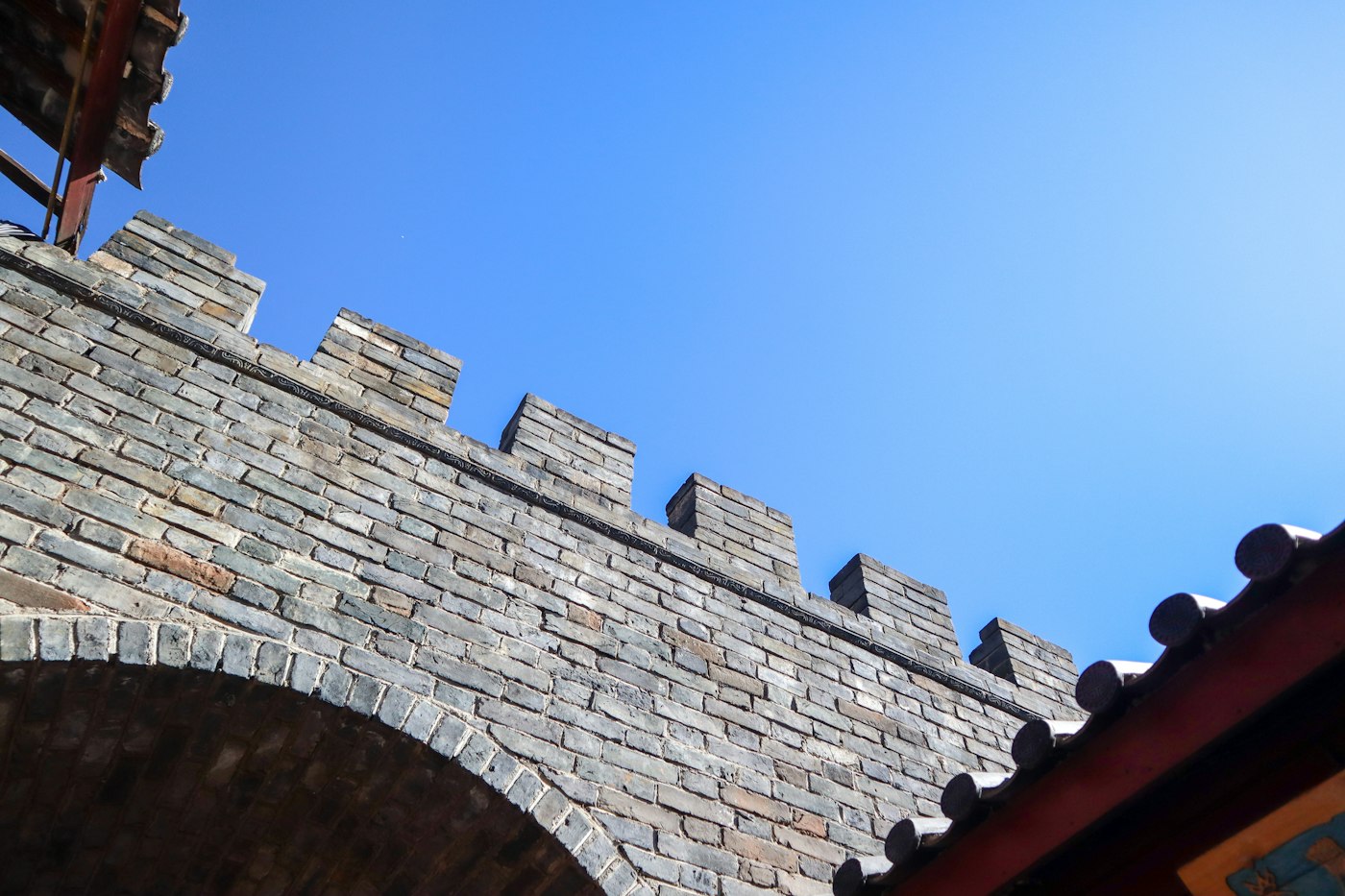 Reading Lijiang: Naxi townscape, water, and tourism’s trade-offs
Why canals matter, what the old town conserved, and how to visit as a guest.
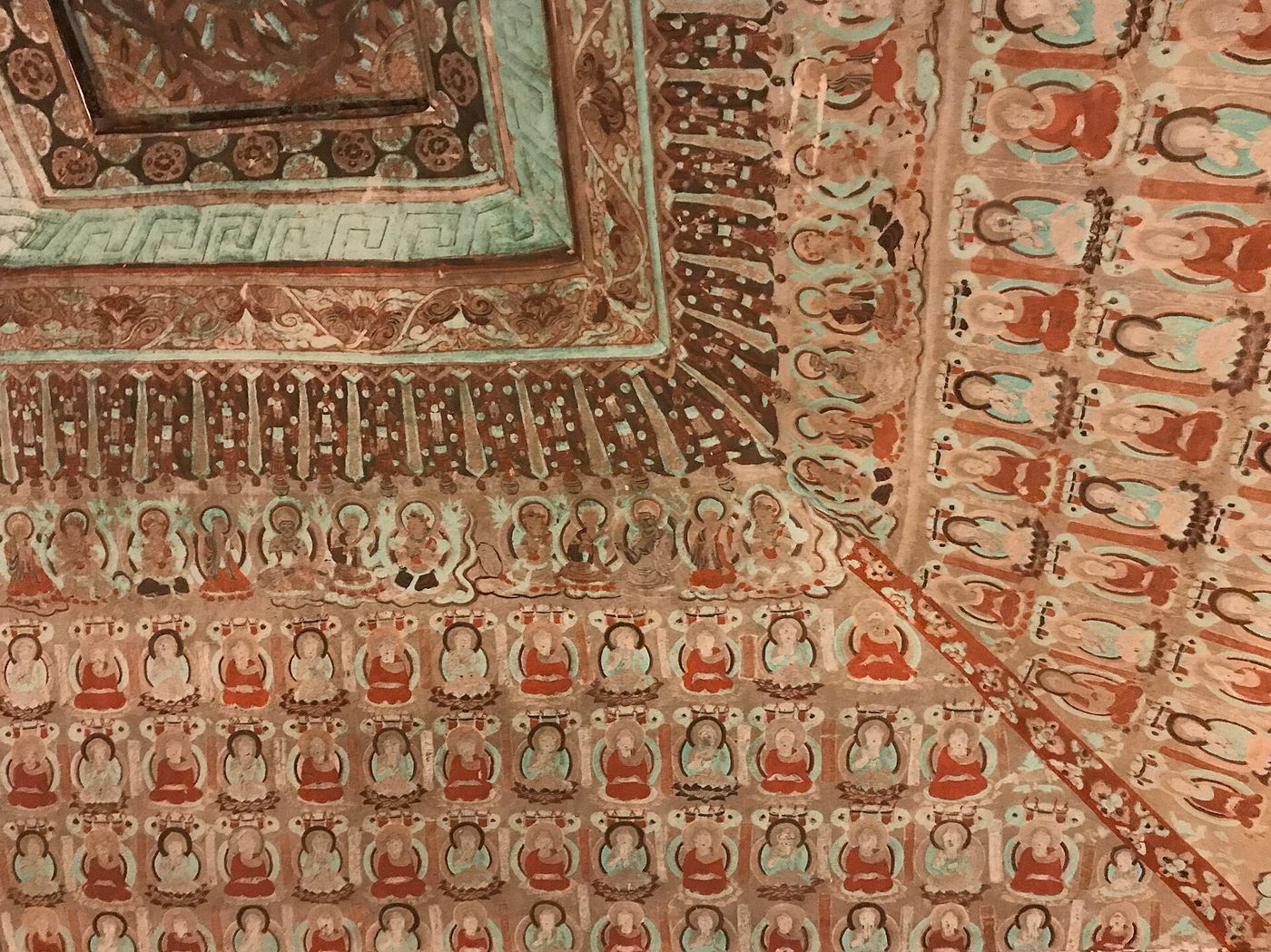 Mogao Caves: booking, shuttle, and what you’ll actually see
Reserve early, watch the visitor center film, then enter timed caves with a guide flow.
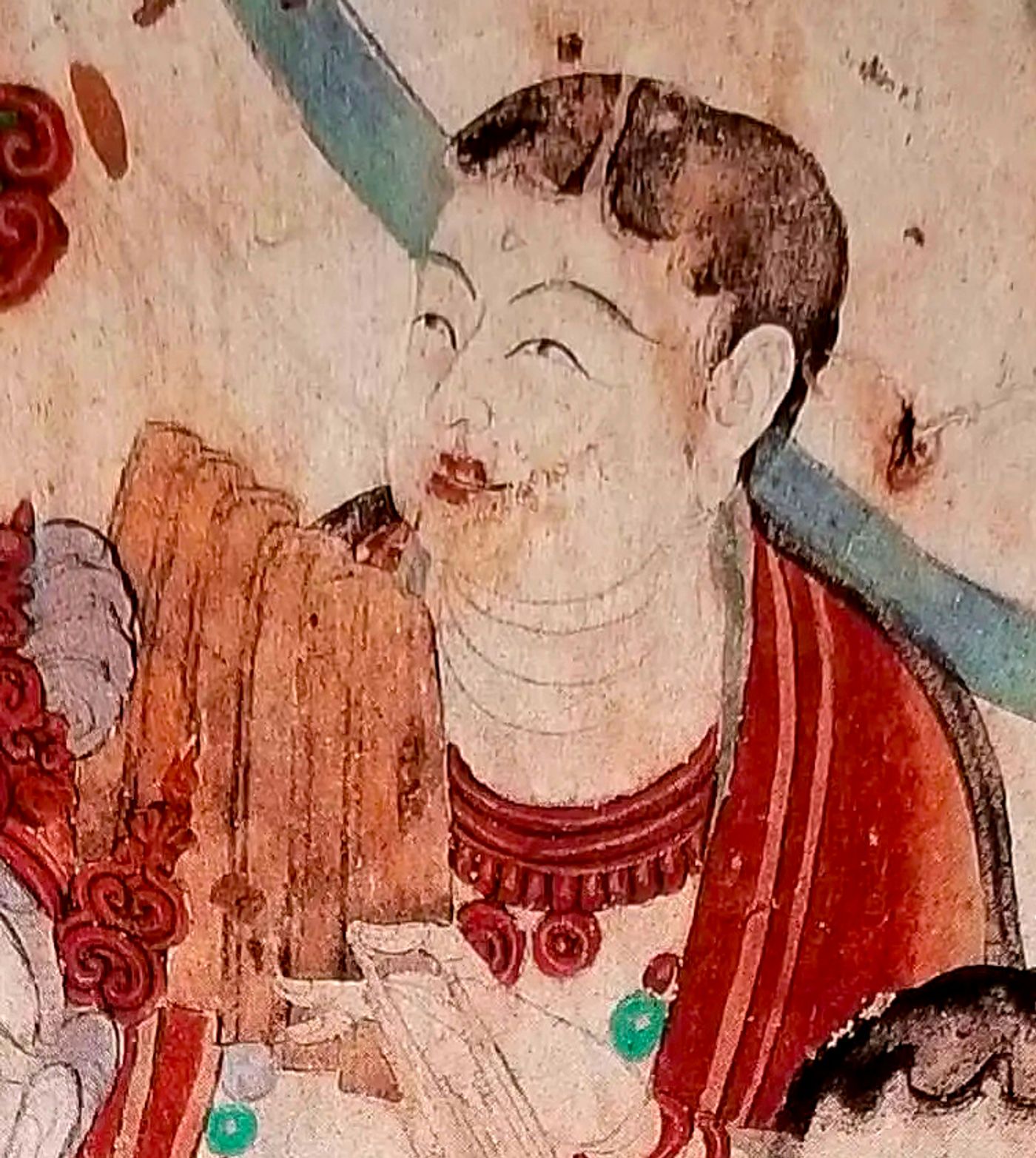 Why Mogao matters: Silk Road faith painted in layers
Buddhist caves as a thousand-year archive of belief, trade, and style.
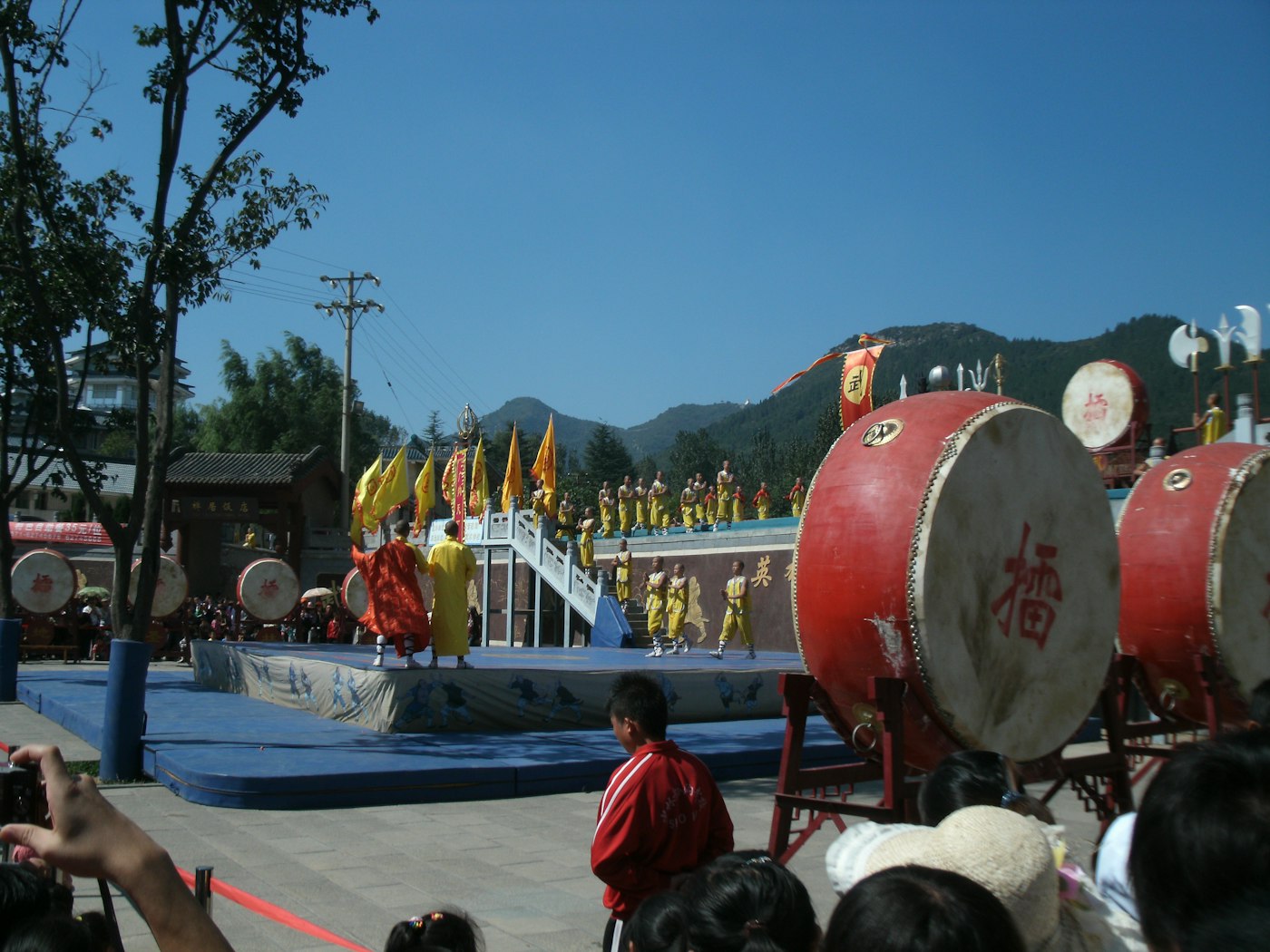 Shaolin Temple half-day: temple, pagoda forest, and performance timing
See the core monastery and Pagoda Forest; treat kung fu shows as optional extras.
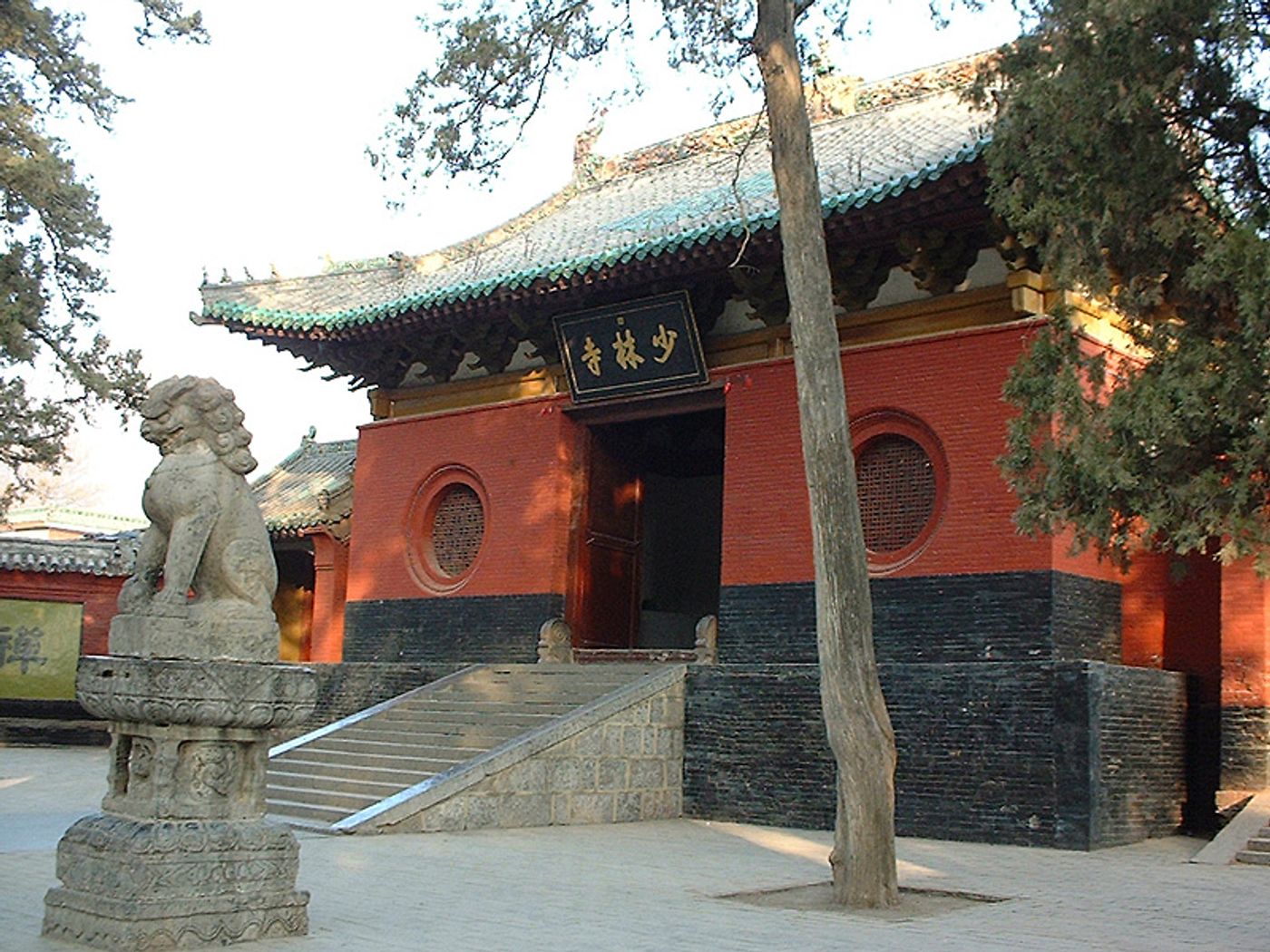 Beyond movie kung fu: Chan Buddhism and the Pagoda Forest
Why Shaolin is a monastery first, and what rows of pagodas record.
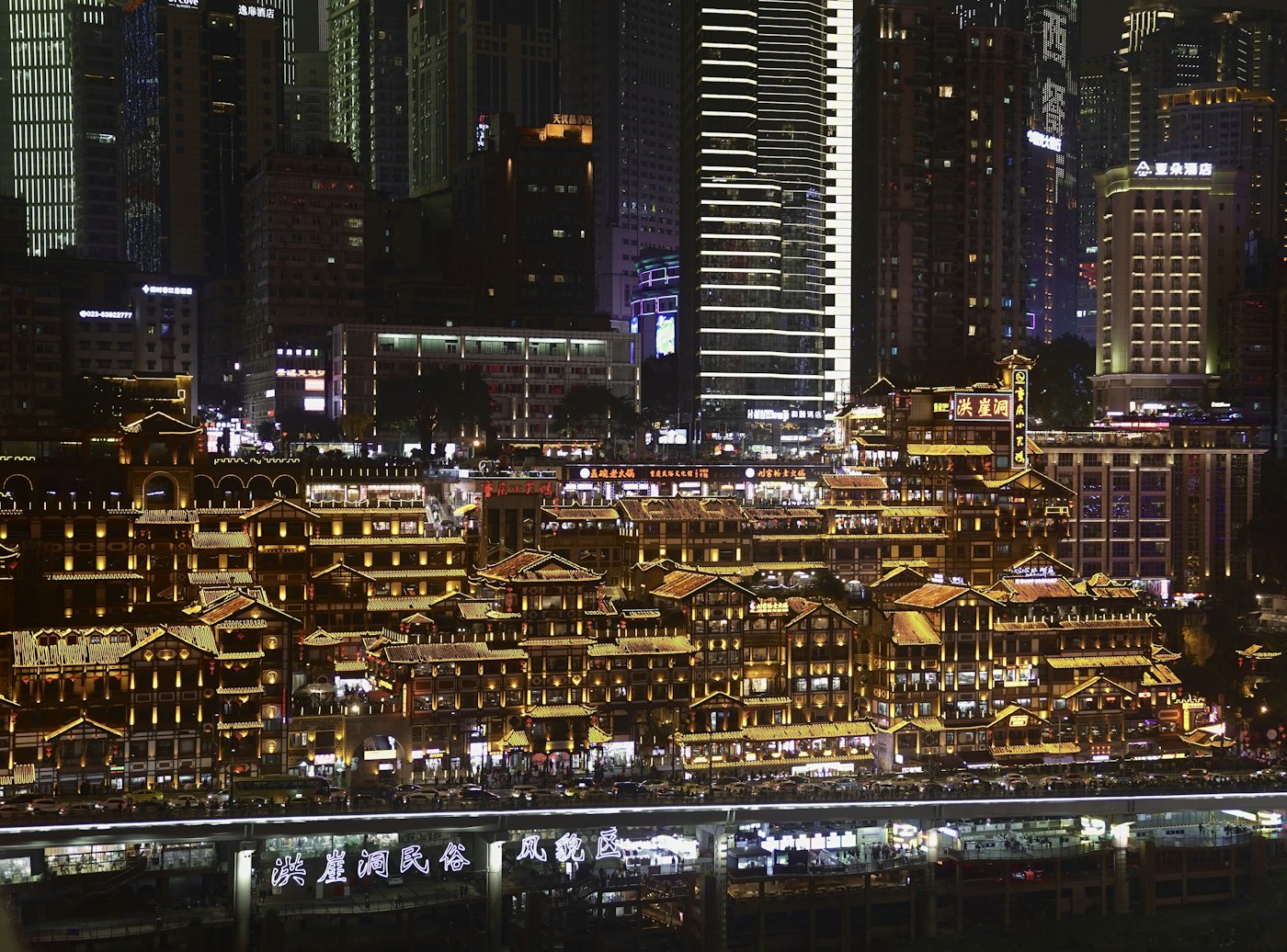 Hongyadong at night: best viewpoints and crowd strategy
Come for blue-hour lights, shoot from across the river or elevated paths, then decide if you enter.
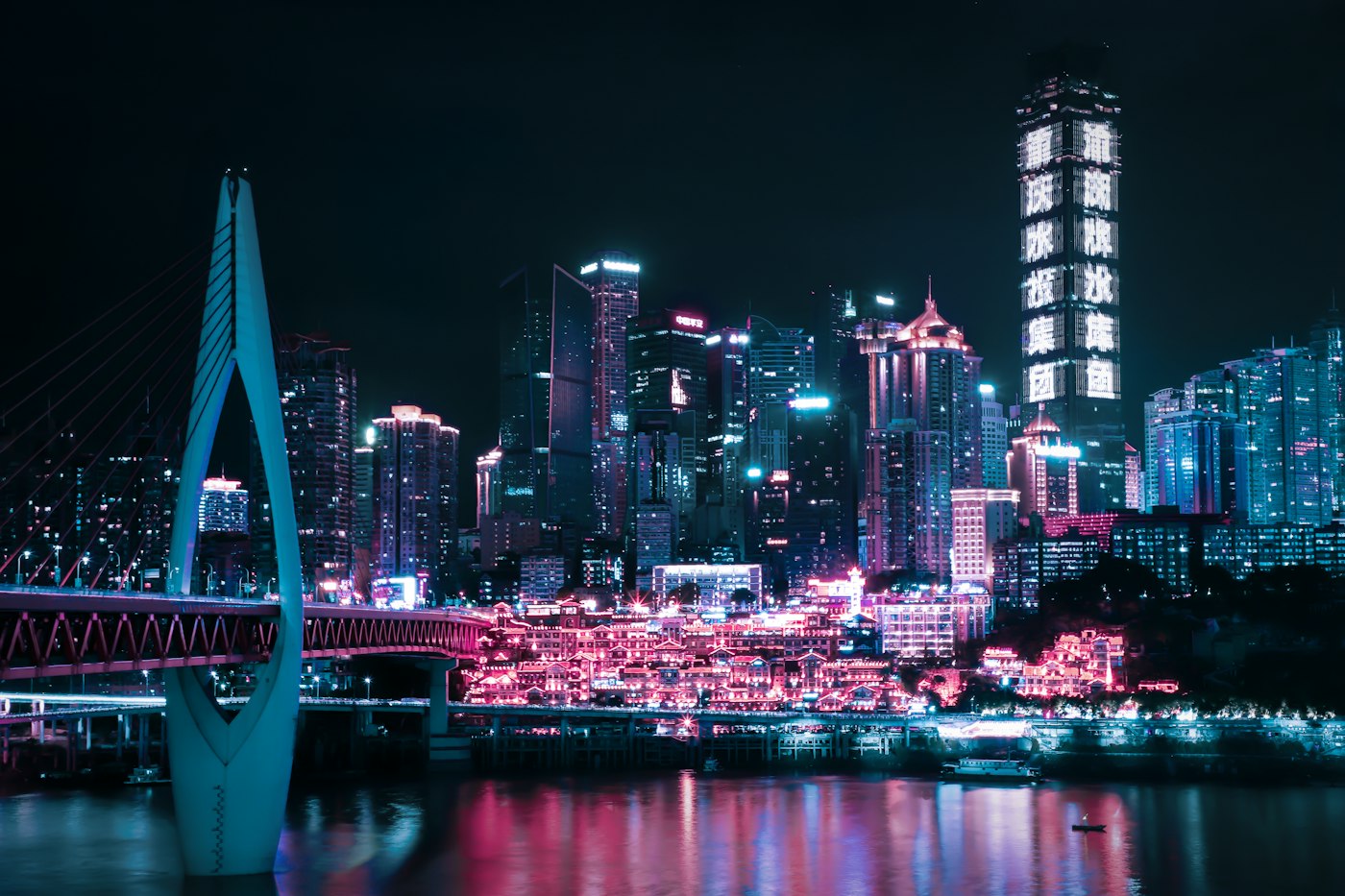 Stilt houses on a cliff: Chongqing’s vertical city idea
How mountain-river terrain shaped stacked architecture—and what tourism rebuilt.
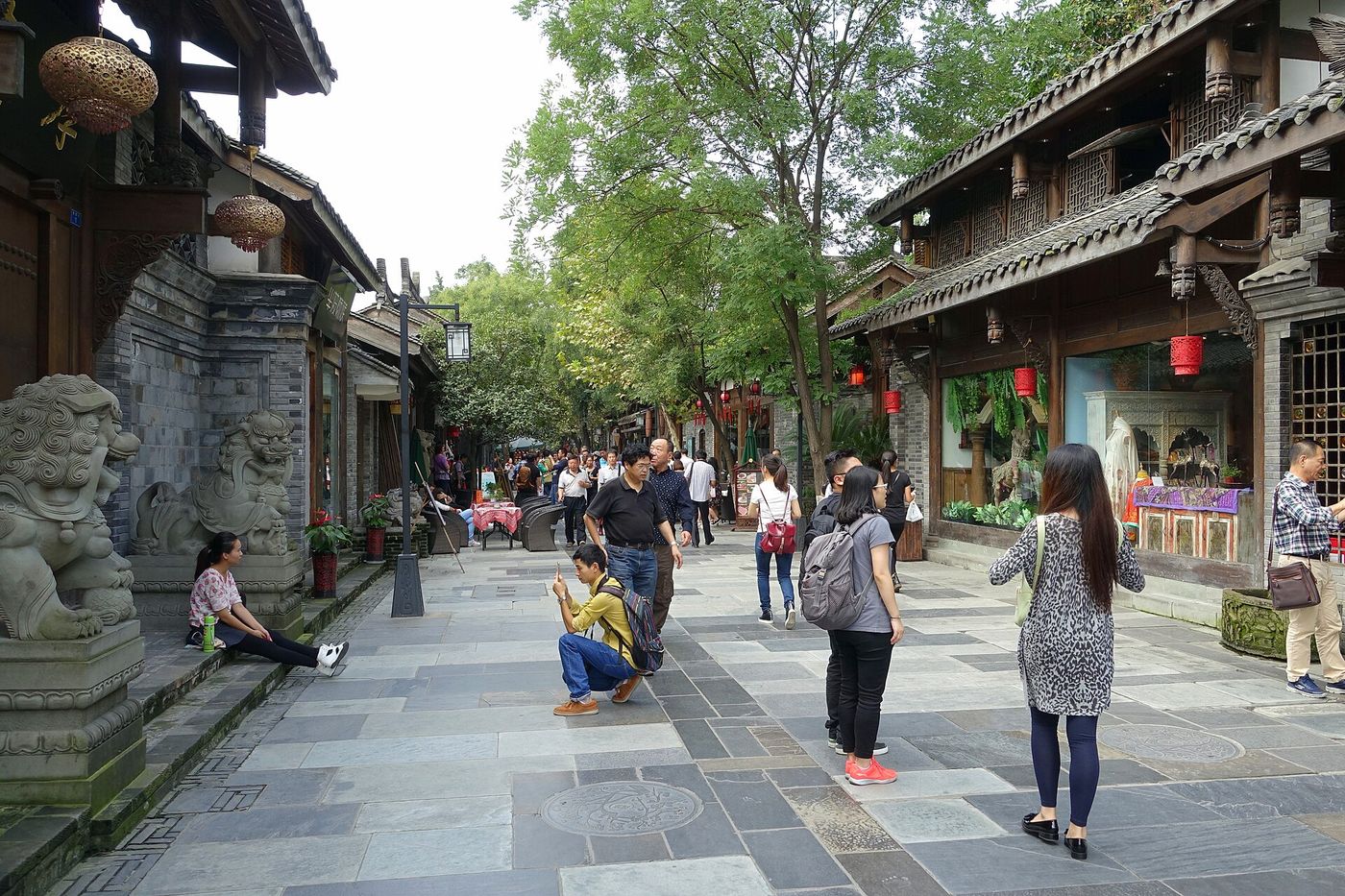 Kuanzhai Alleys: a short Chengdu stroll without snack overload
Walk Wide, Narrow, and Well alleys once; pick one courtyard tea, skip endless samples.
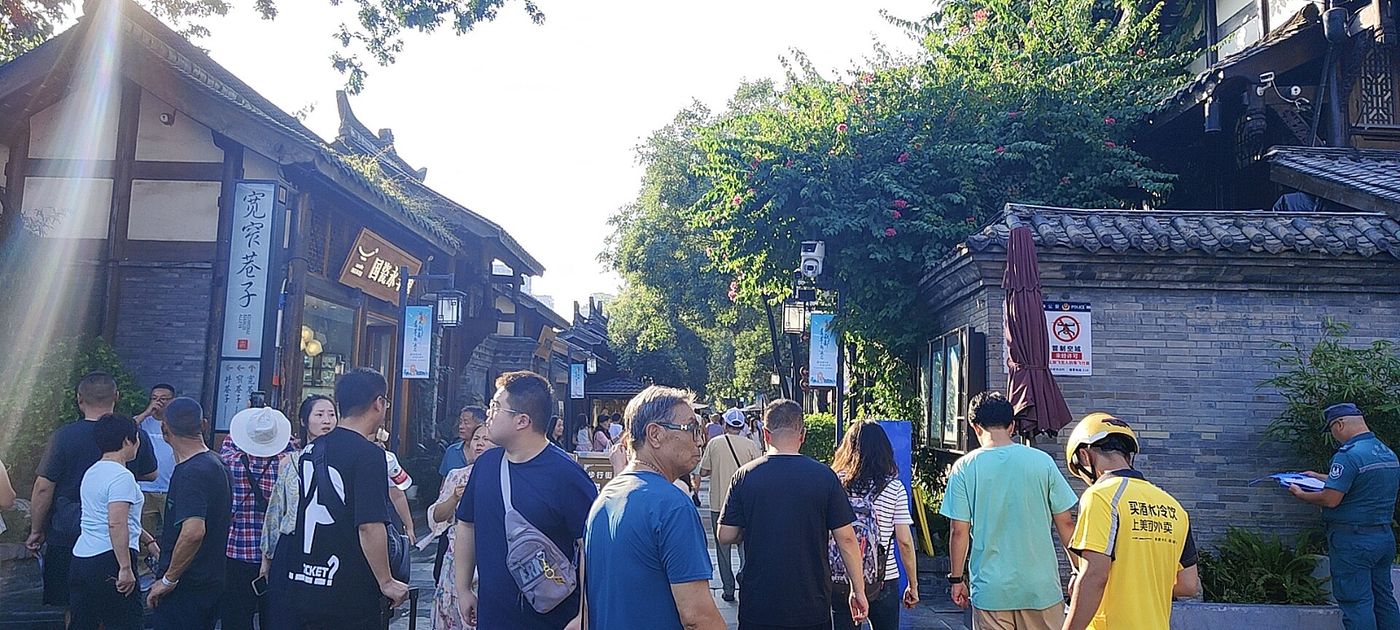 Old Chengdu in three lanes: mansions, leisure, and restoration
How Qing-era neighborhood fabric became a preserved leisure street.
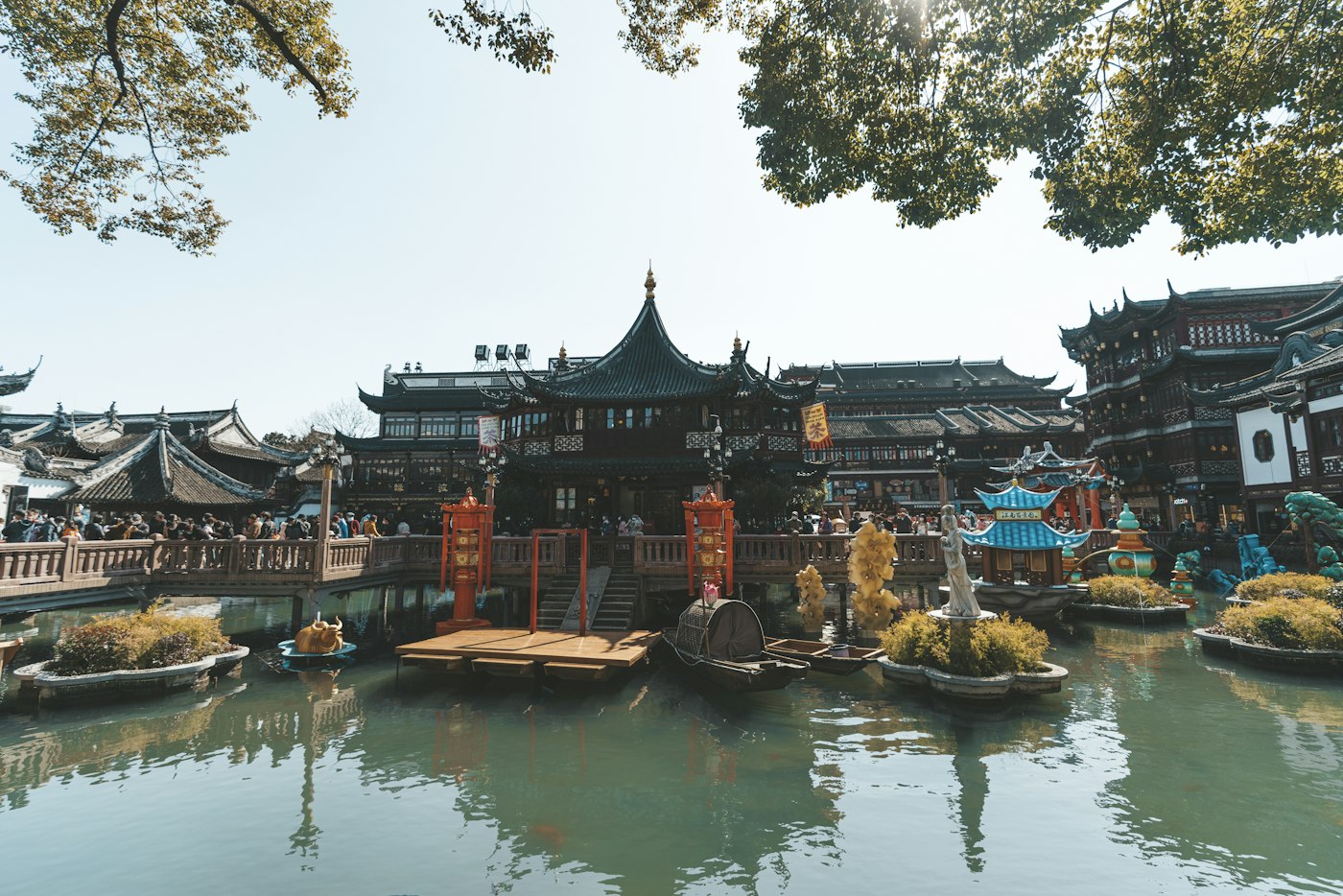 Yuyuan Garden: classic courtyard calm beside the bazaar noise
Enter the garden proper for rockeries and halls; treat the surrounding market as optional.
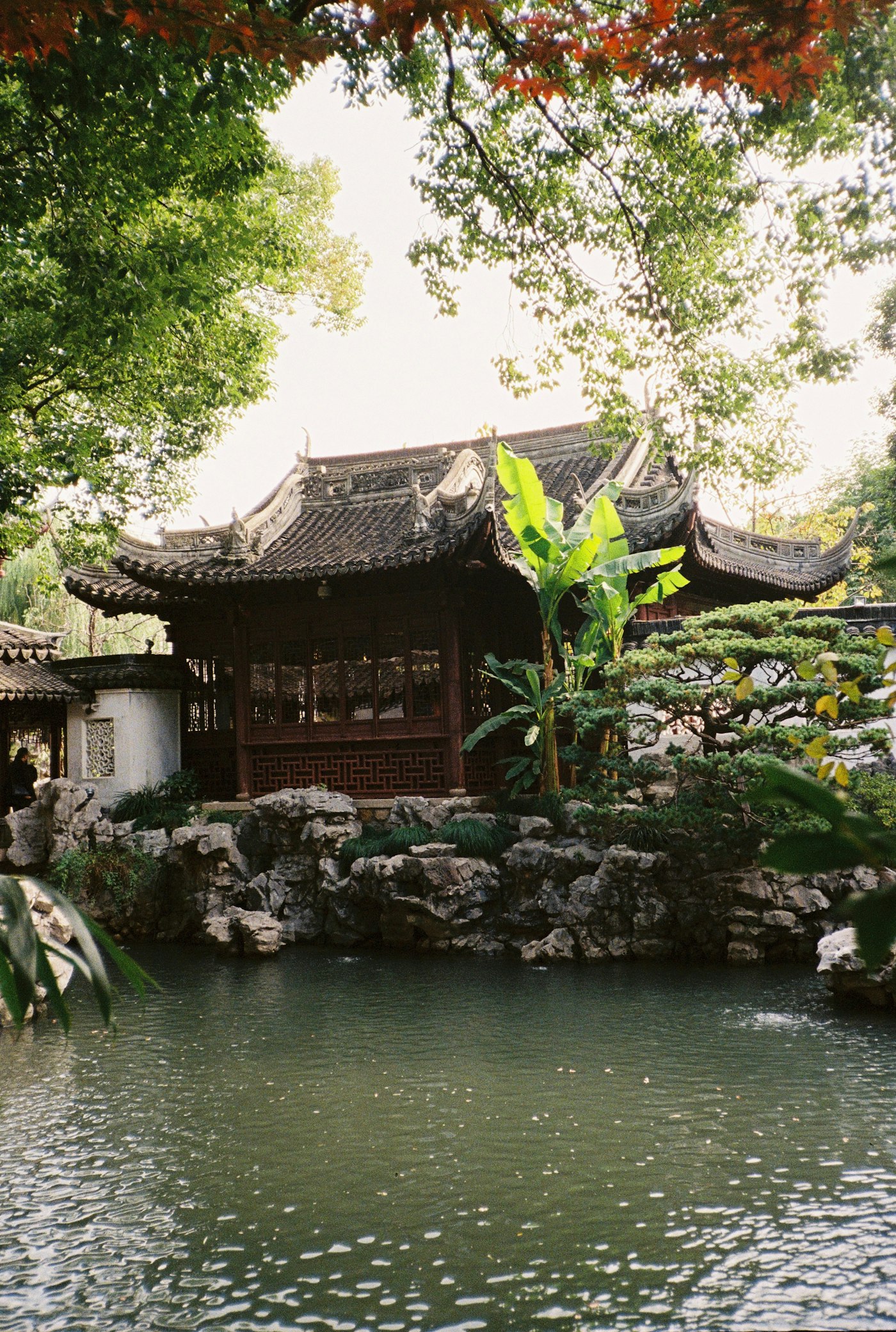 A private garden in a port city: rocks, windows, and status
How Jiangnan garden language landed in Shanghai, and what the bazaar changed.
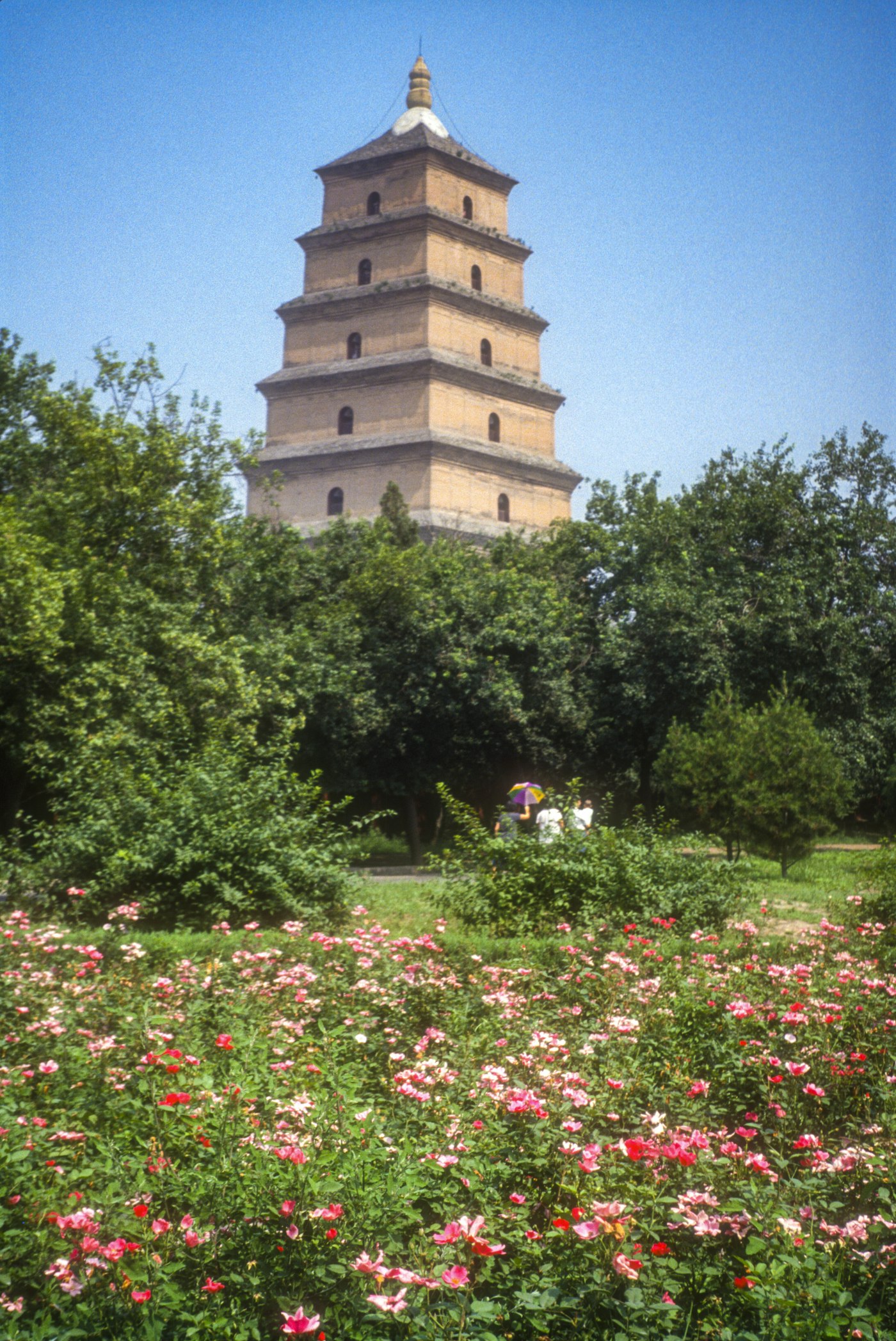 Giant Wild Goose Pagoda: temple square, climb decision, night fountain optional
See the pagoda and Ci’en Temple area by day; climb only if lines and legs agree.
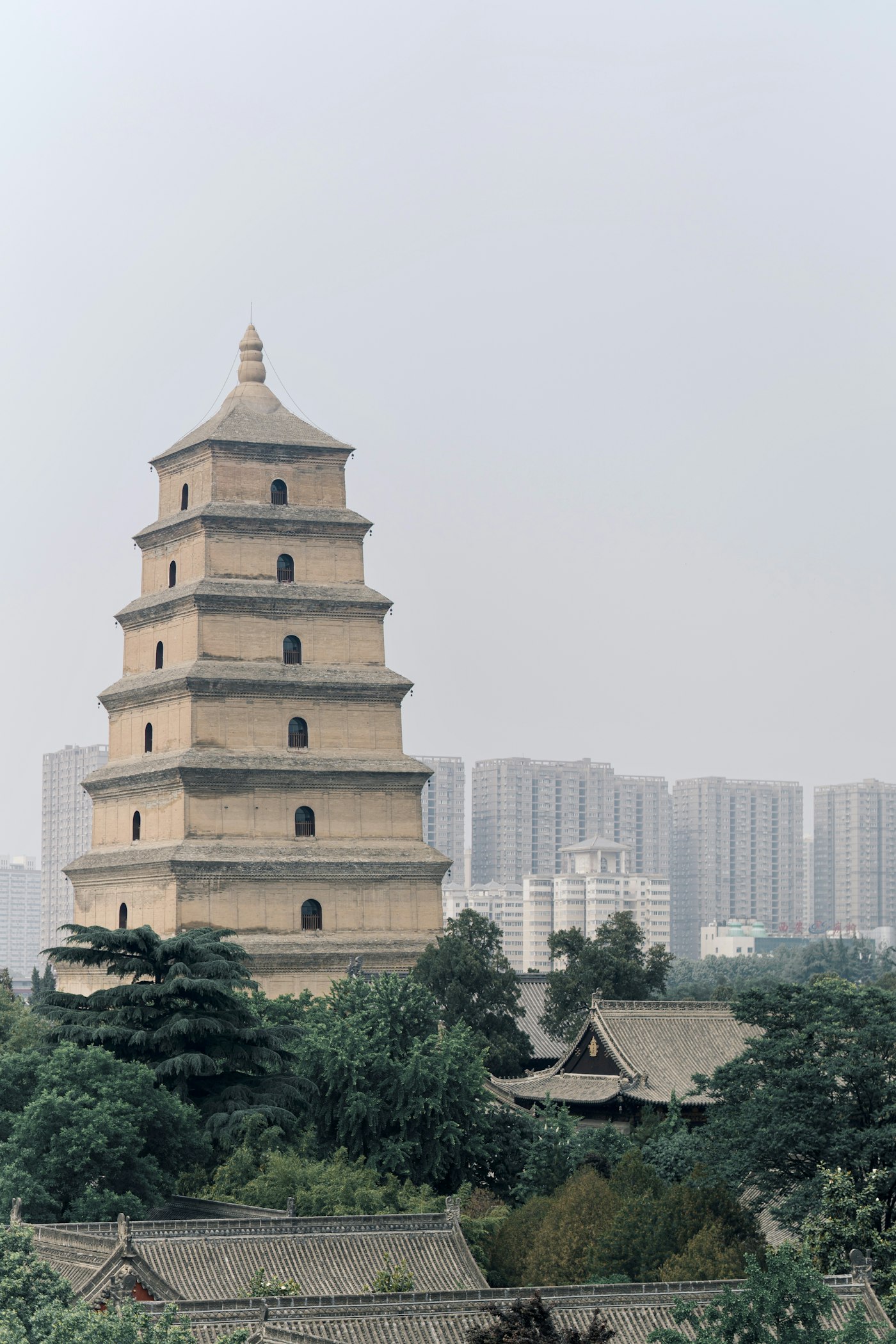 Why the pagoda stands: Xuanzang, scriptures, and Tang memory
A brief link between the pilgrim-translator and the brick landmark you see.
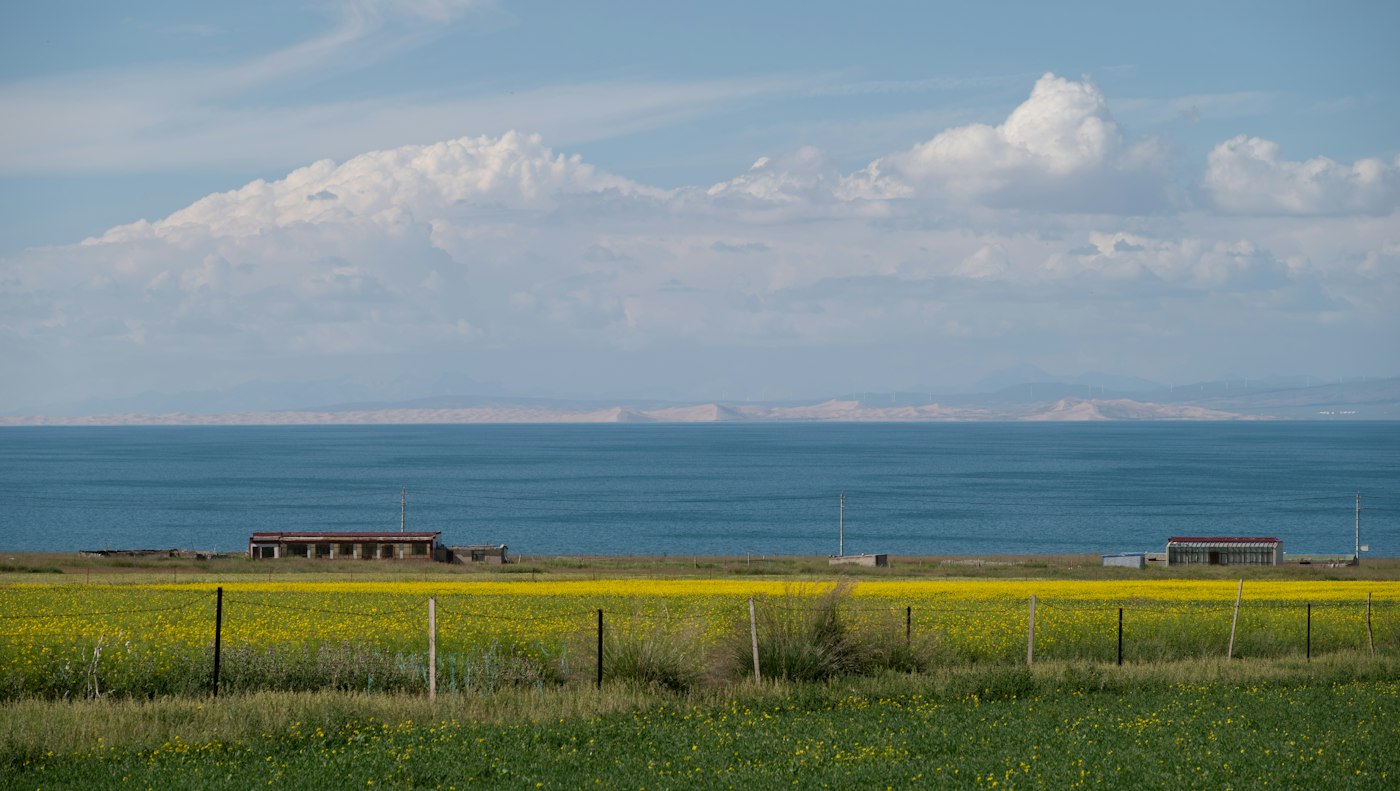 Qinghai Lake day trip: altitude, viewpoints, and not rushing the shore
Pick one shore section, respect weather and altitude, leave buffer for road time.
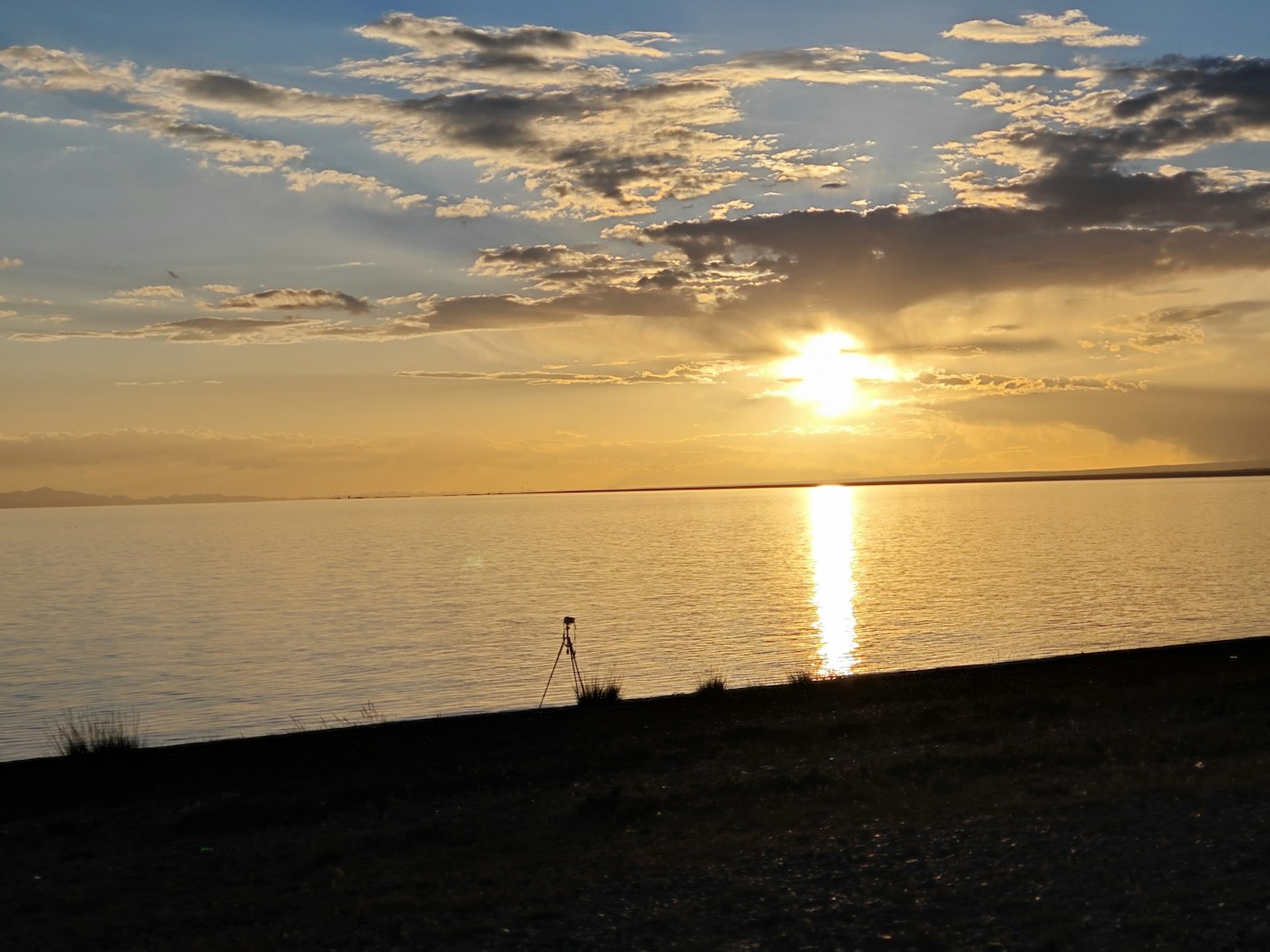 A high lake on the plateau: scale, light, and sacred geography
Why the emptiness feels meaningful, and how to visit without treating it as a backdrop only.
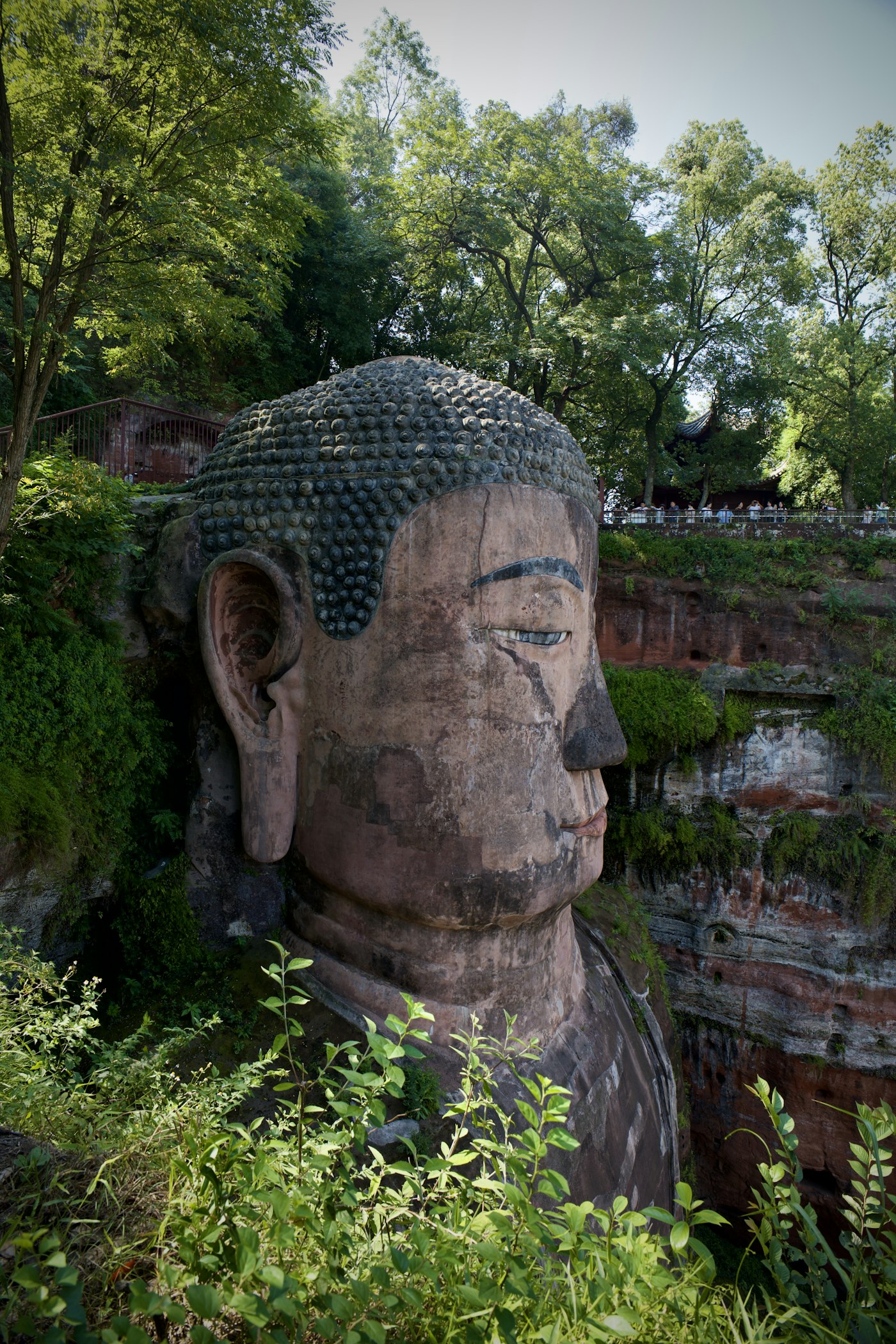 Leshan Giant Buddha: river view vs cliff stairs
Decide boat versus boardwalk early; both are worth it if legs and time allow one focus.
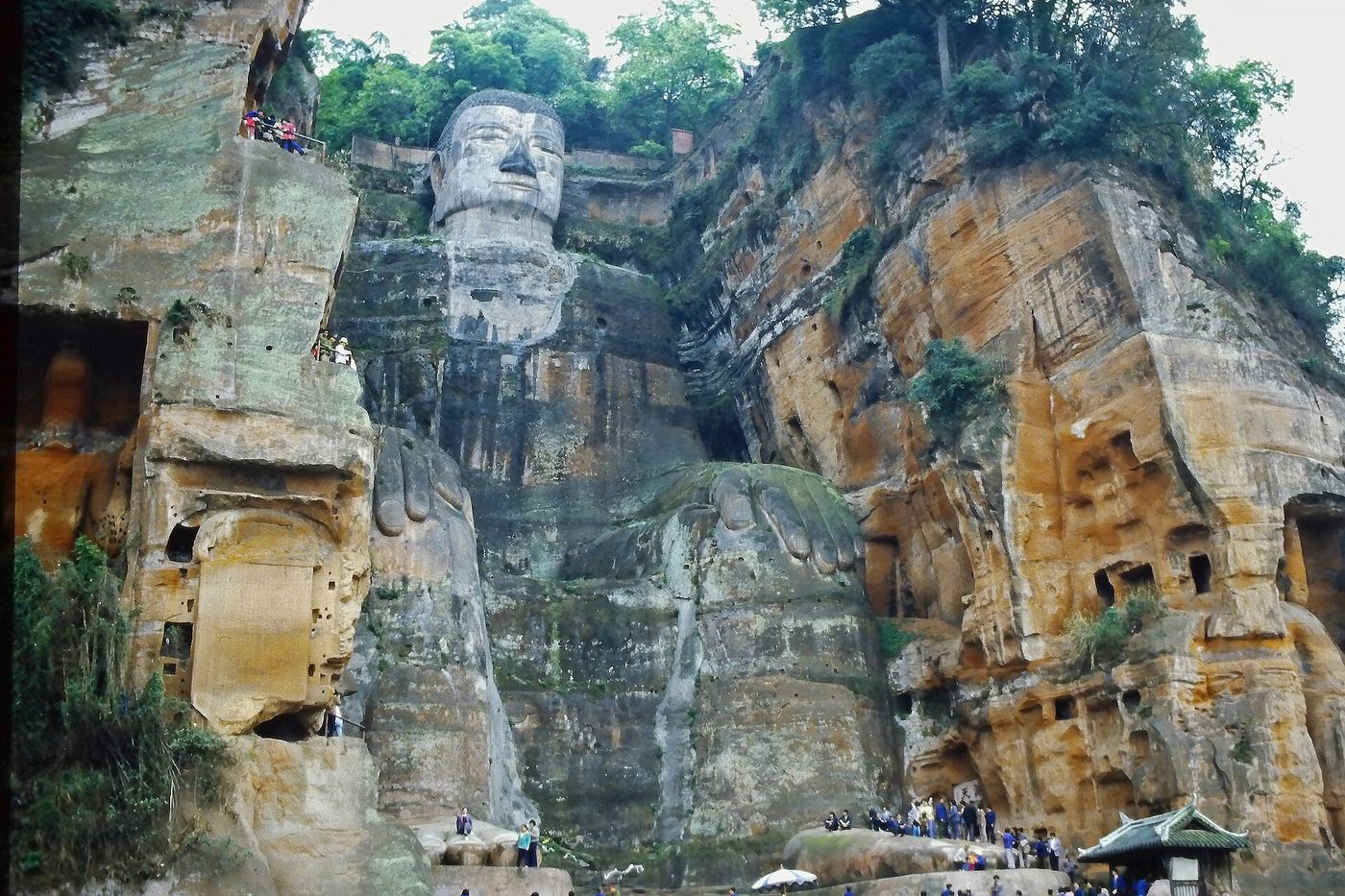 Why carve a Buddha this large: river, safety, and faith
A short note on Tang-era ambition and calming dangerous waters in stone.
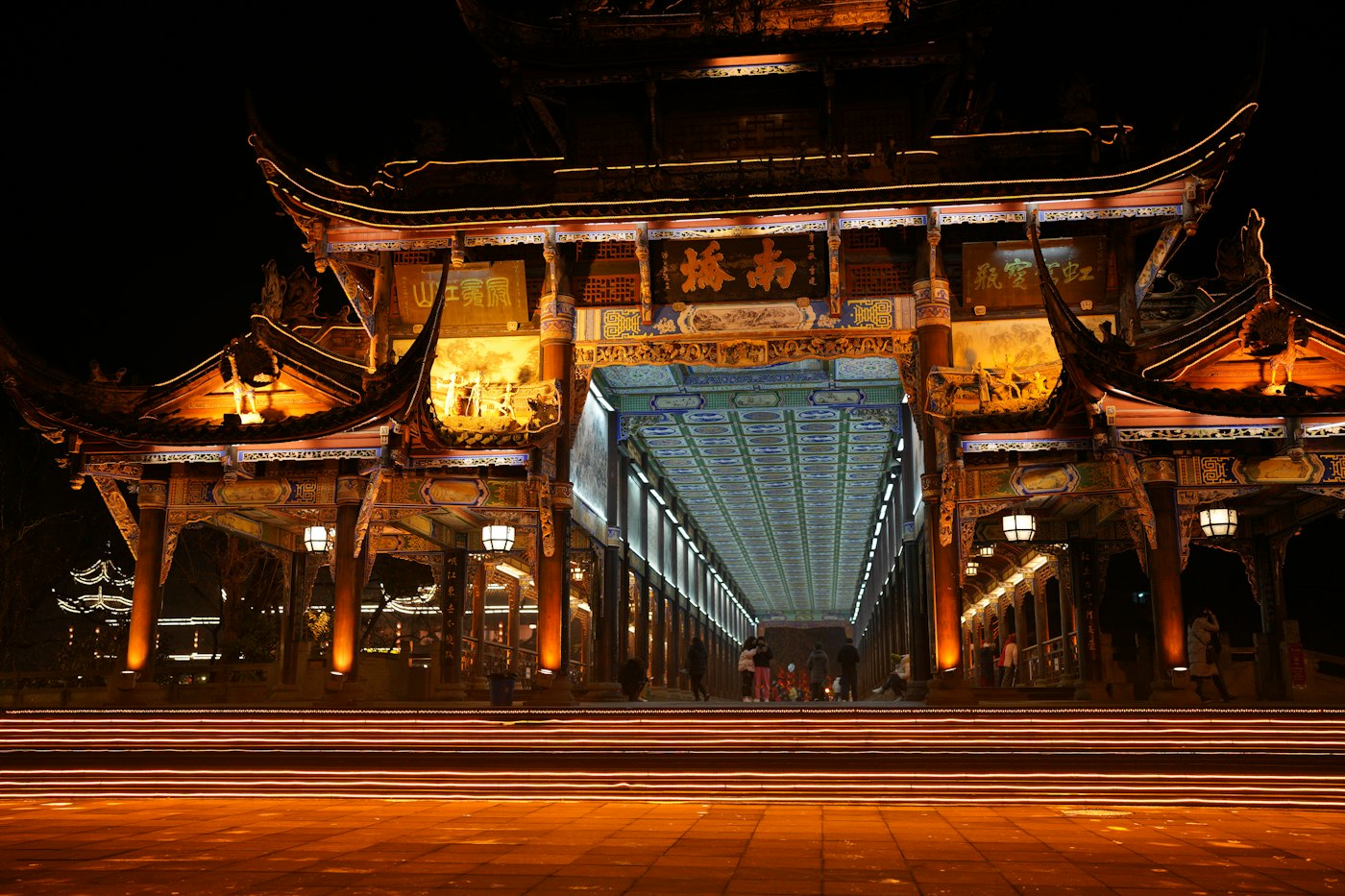 Dujiangyan half-day: walk the weir logic, not only the temples
Dujiangyan visit guide: how to see Fish Mouth, Flying Sand Weir, and Bottle-Neck Channel on one walk.
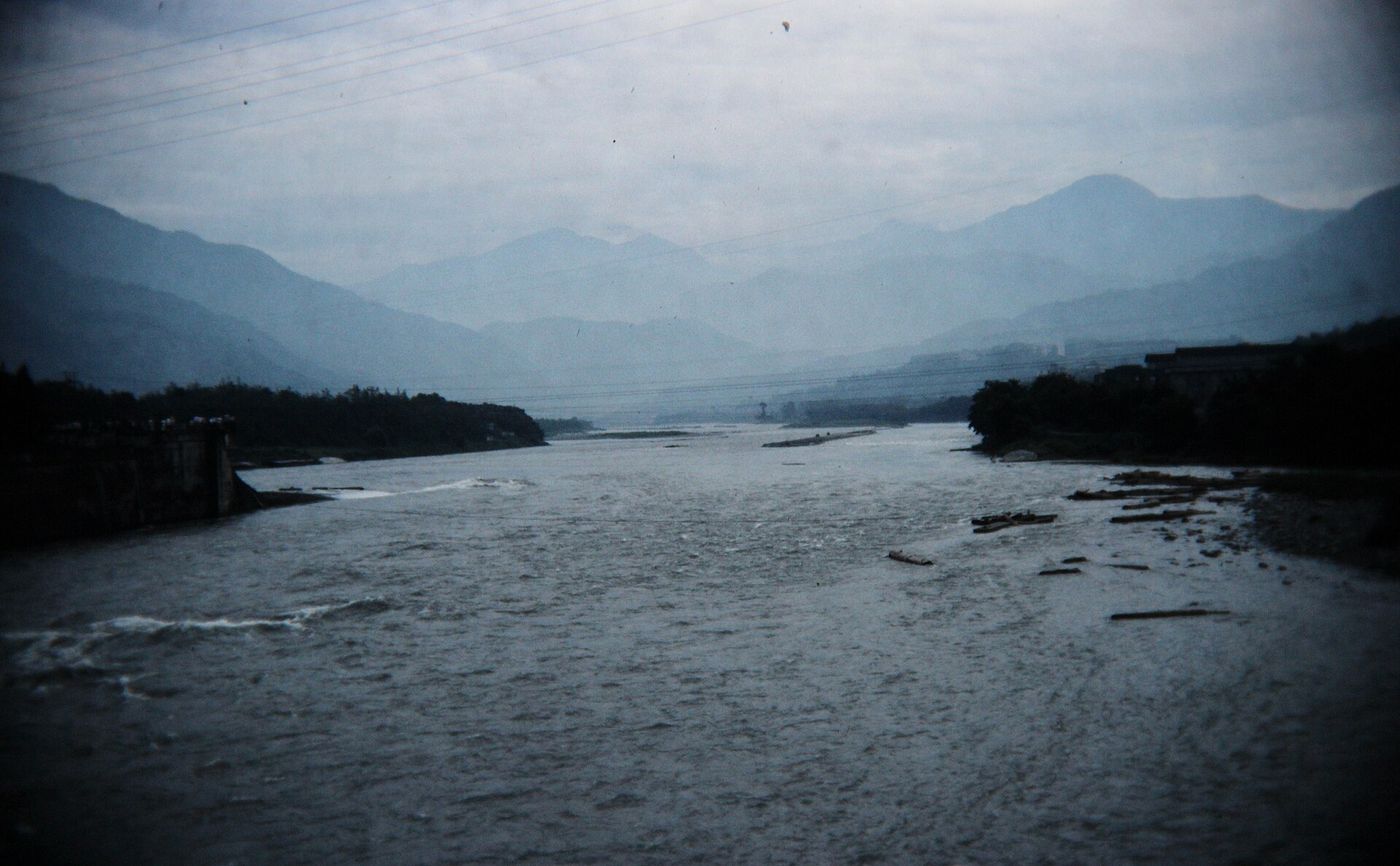 Living engineering: why Dujiangyan still matters
No giant dam wall—working with the river’s own force for two millennia.
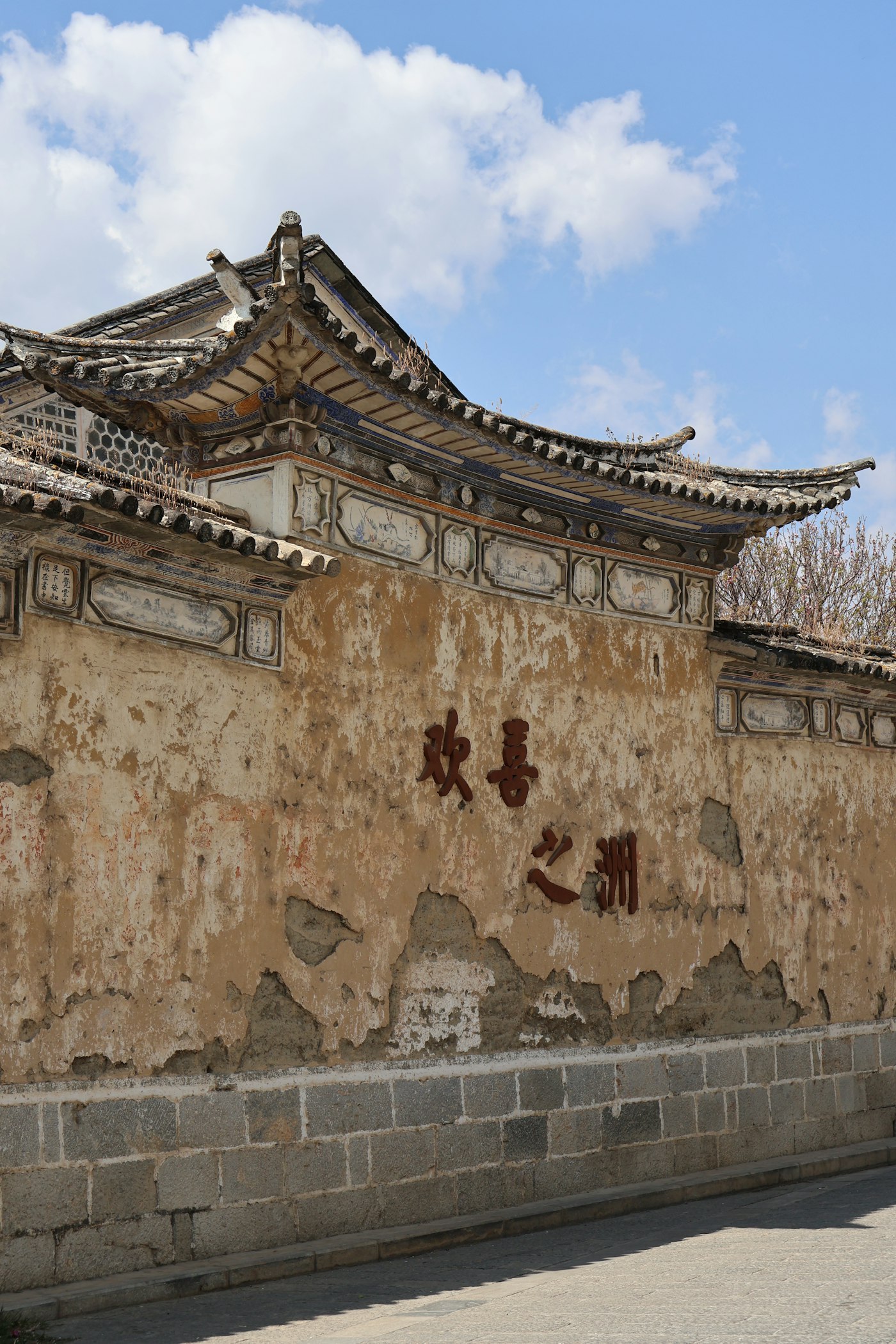 Dali Old Town: walls, people-watching, and an Erhai side trip
Walk the lanes by day, climb a wall section if open, save Erhai for clearer light.
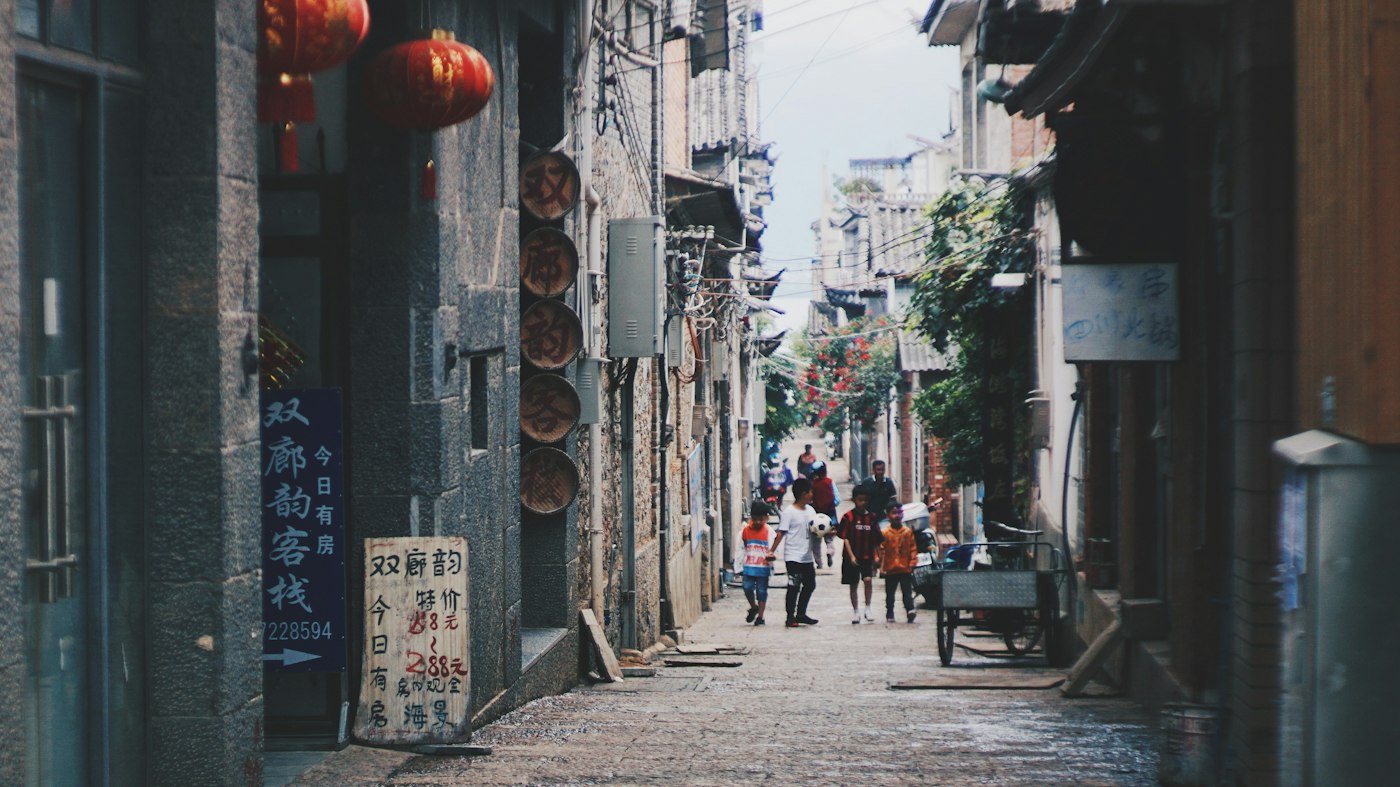 Between Cangshan and Erhai: Bai townscape and lake light
Why the setting matters more than souvenir streets, and how to visit lightly.
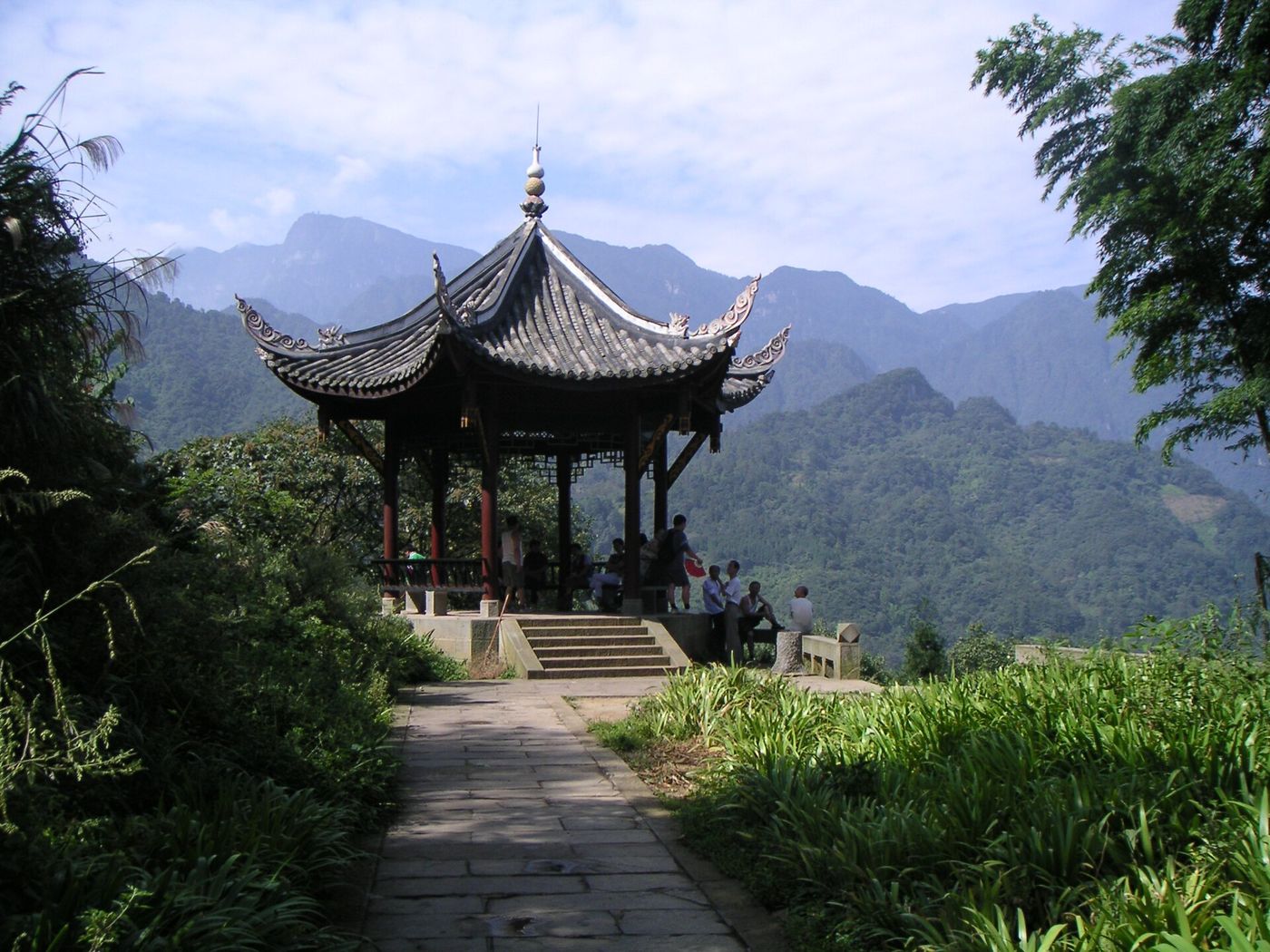 Mount Emei day plan: buses, cable, and monkey awareness
Mount Emei in one day: choose summit or mid-mountain, watch cable queues, and pack for fog and rain.
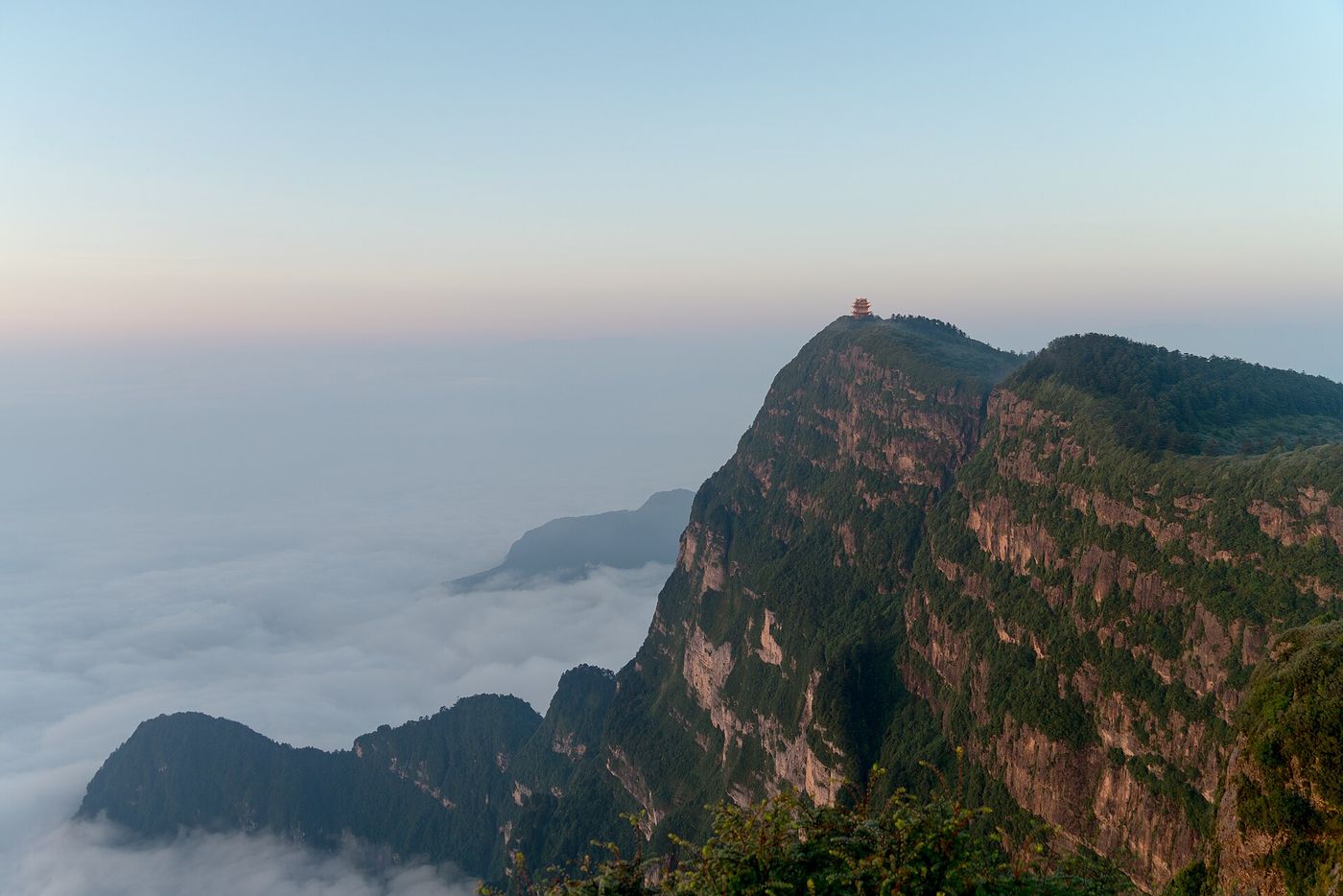 A sacred Buddhist mountain: pilgrimage layered with tourism
Mount Emei as a sacred mountain: monastery manners, monkeys, and keeping pilgrimage tone amid cable-car crowds.
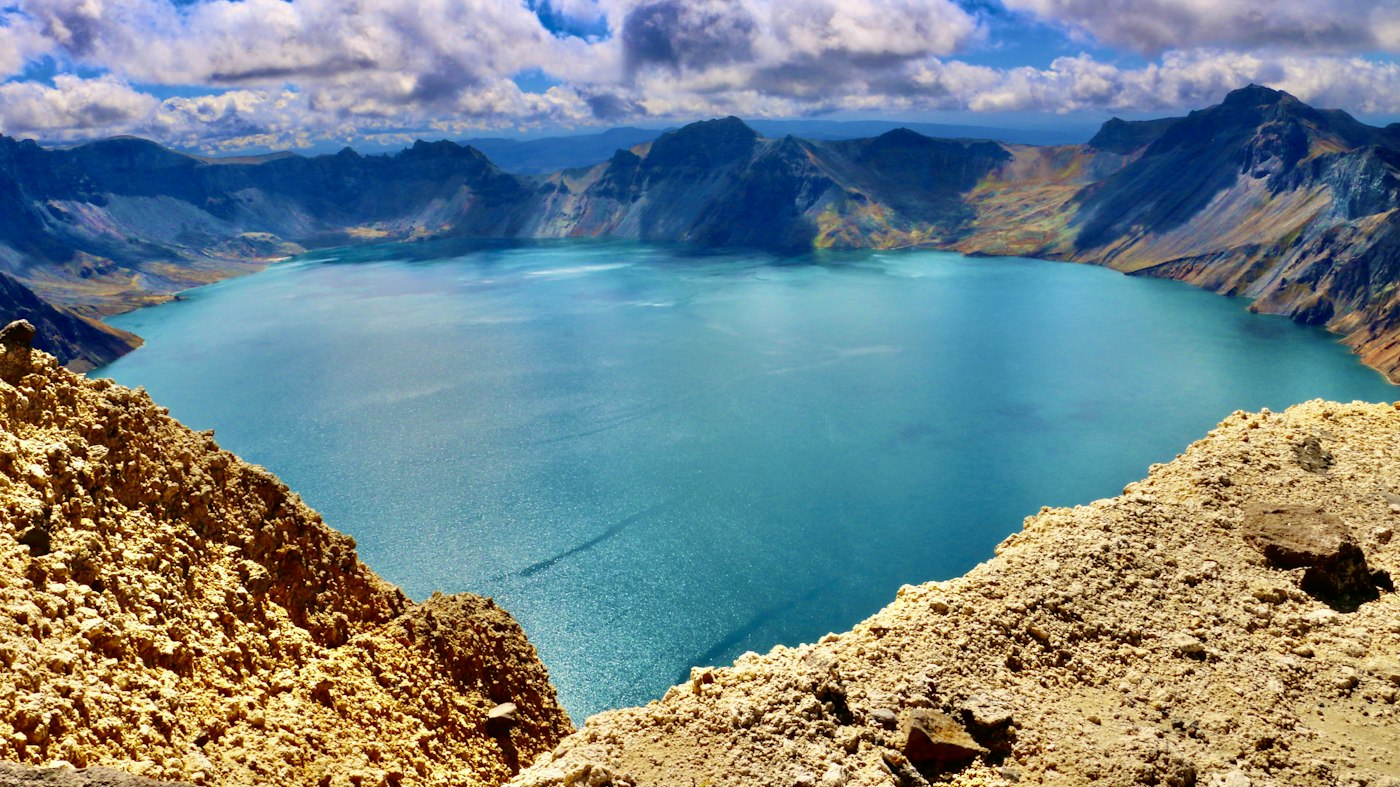 Changbai Mountain Heaven Lake: weather windows and shuttle reality
Changbai Heaven Lake visit: cloud windows, wind layers, ID rules, and staying on open view decks.
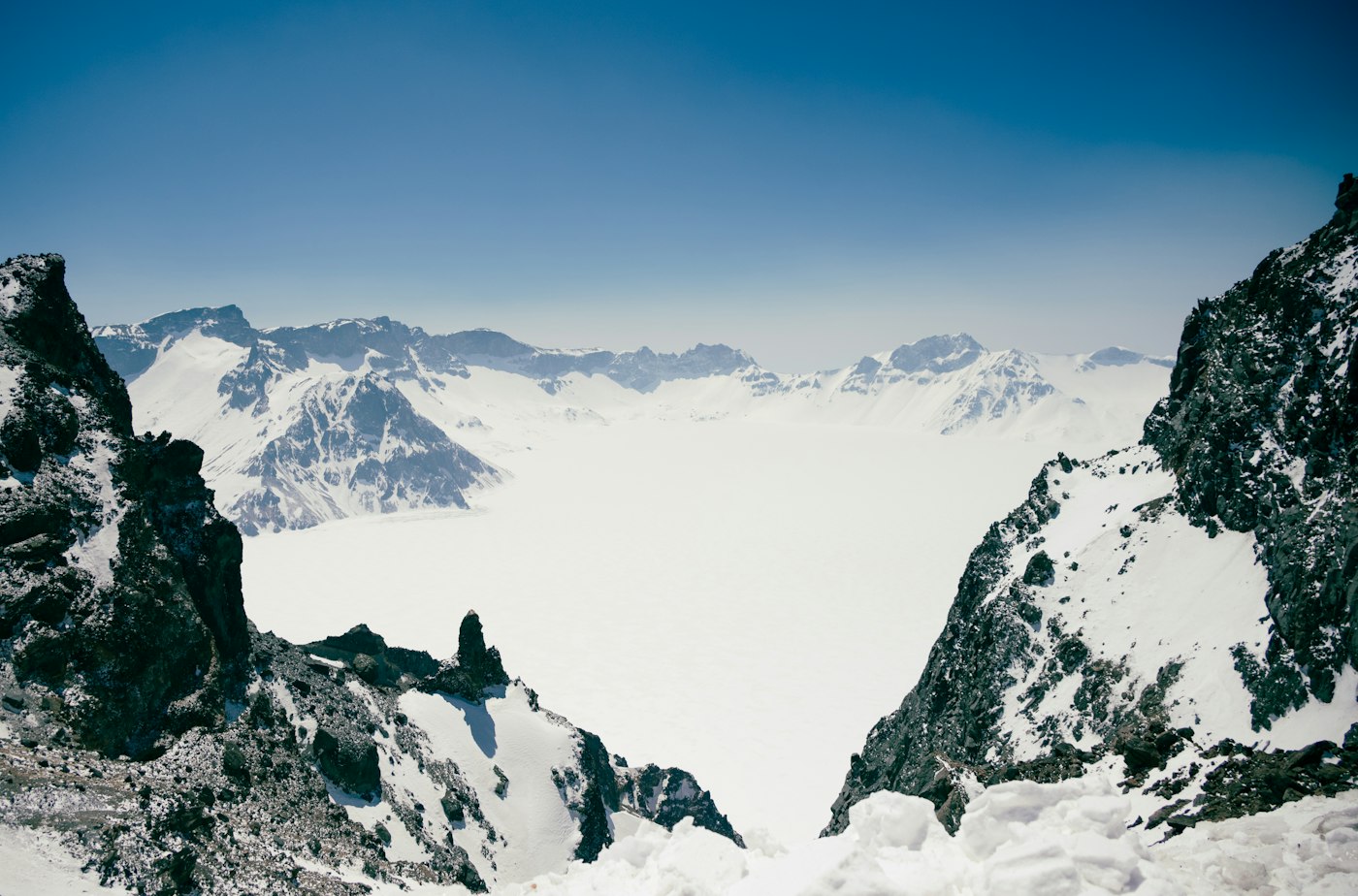 A crater lake on a border mountain: volcano, myth, and nature
Why Tianchi feels mythic, and how geology writes the view.
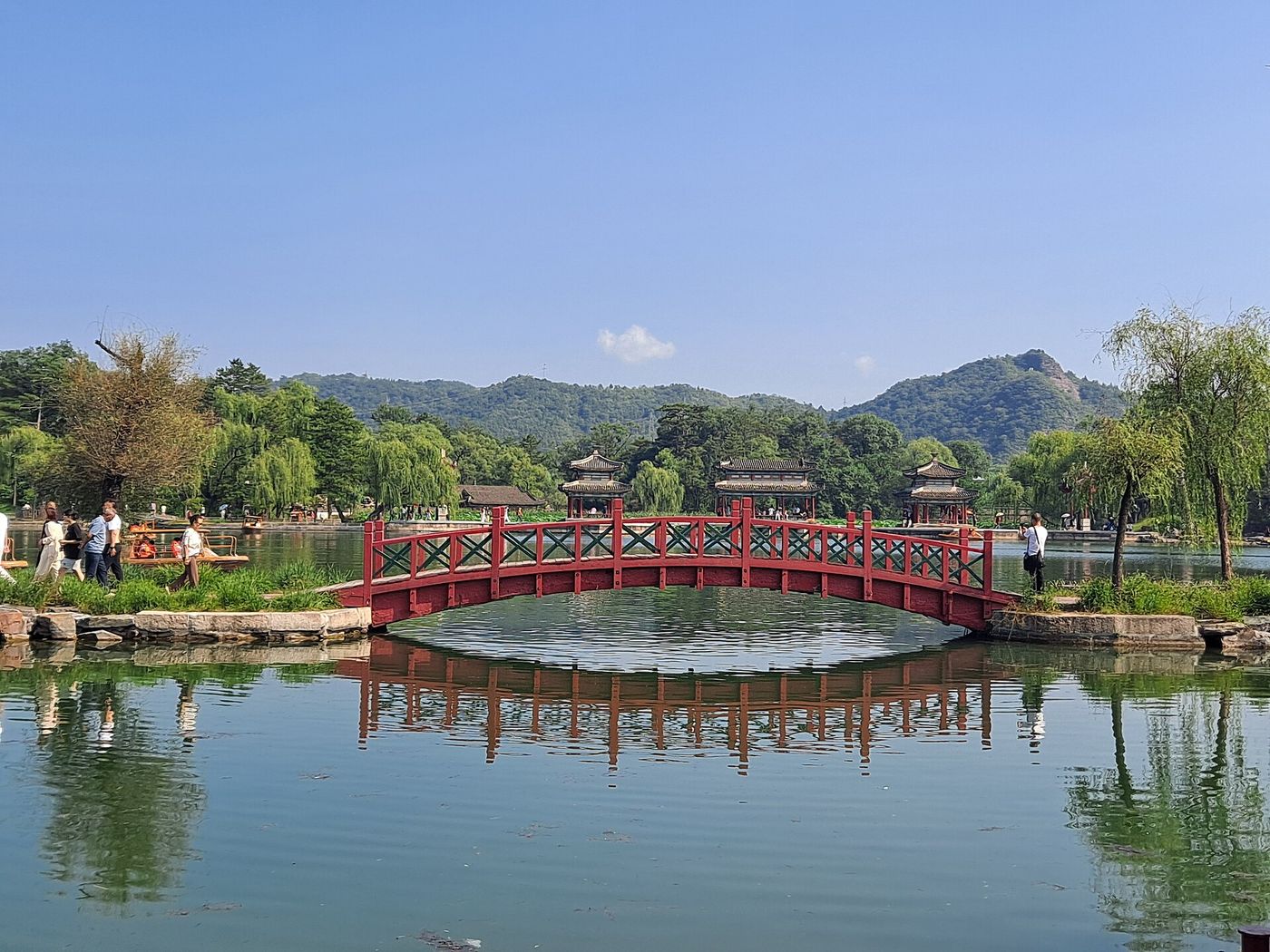 Chengde Mountain Resort: palace zone first, then a lake loop
Chengde Mountain Resort visit tips: which loops fit half a day, walking distances, and seasonal path advice.
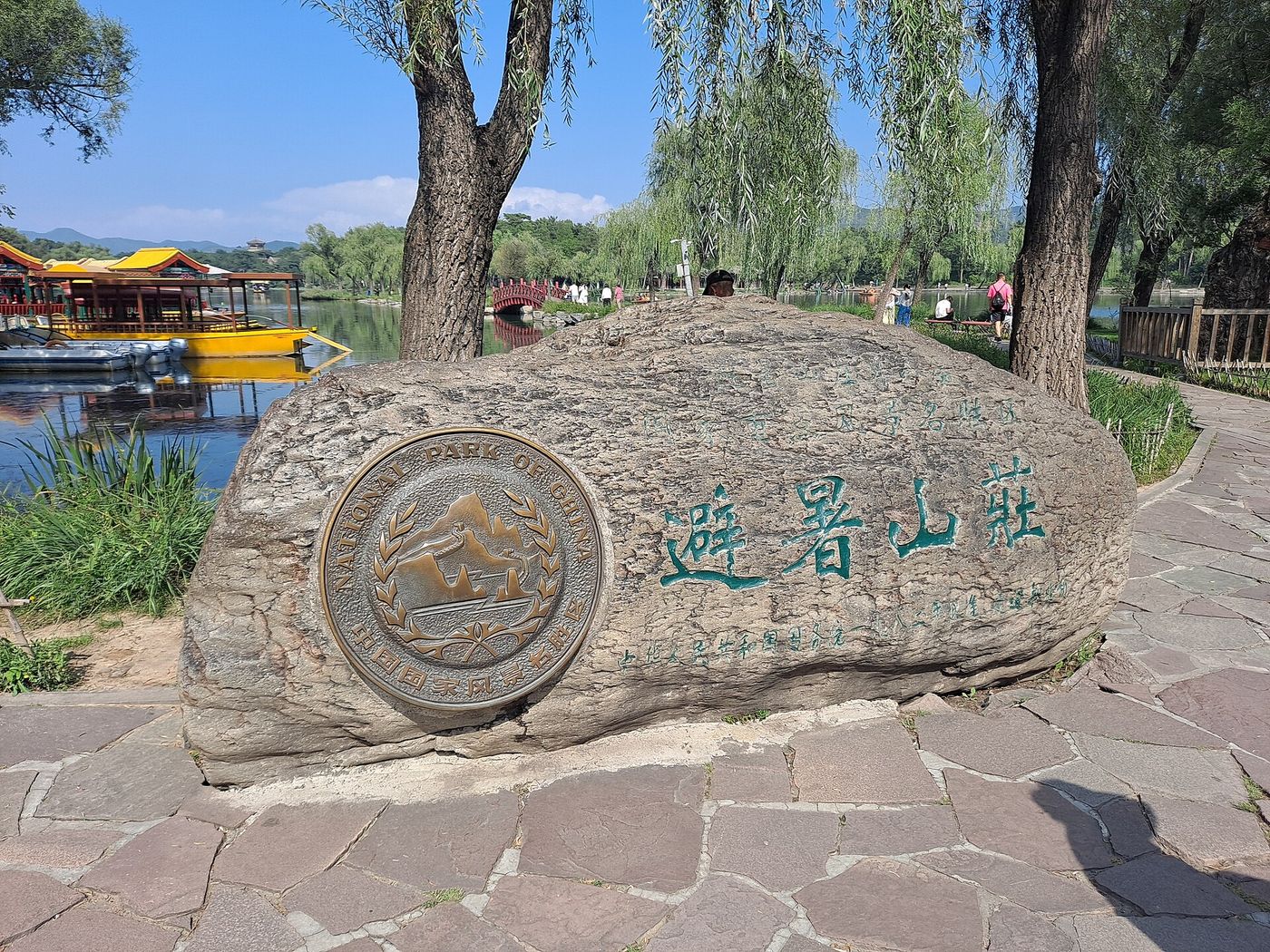 A summer capital in a garden: Qing power outside Beijing
Why Chengde Mountain Resort was an empire garden: heat escape, frontier diplomacy, and mixed north–south landscapes.
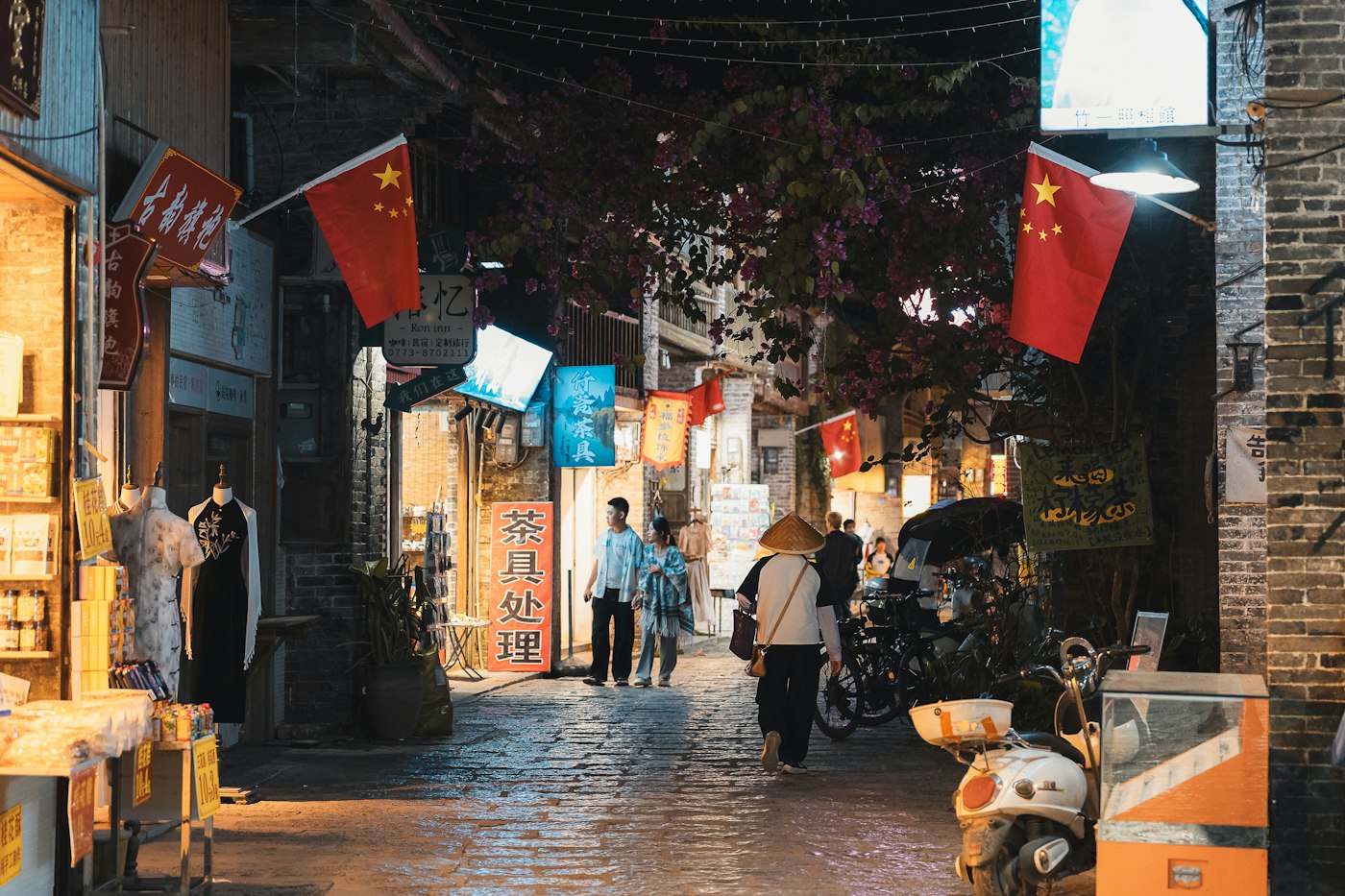 Yangshuo West Street: when to stroll and when to escape to the karst
Yangshuo West Street at night: when crowds peak, how to snack smart, and a quieter river loop.
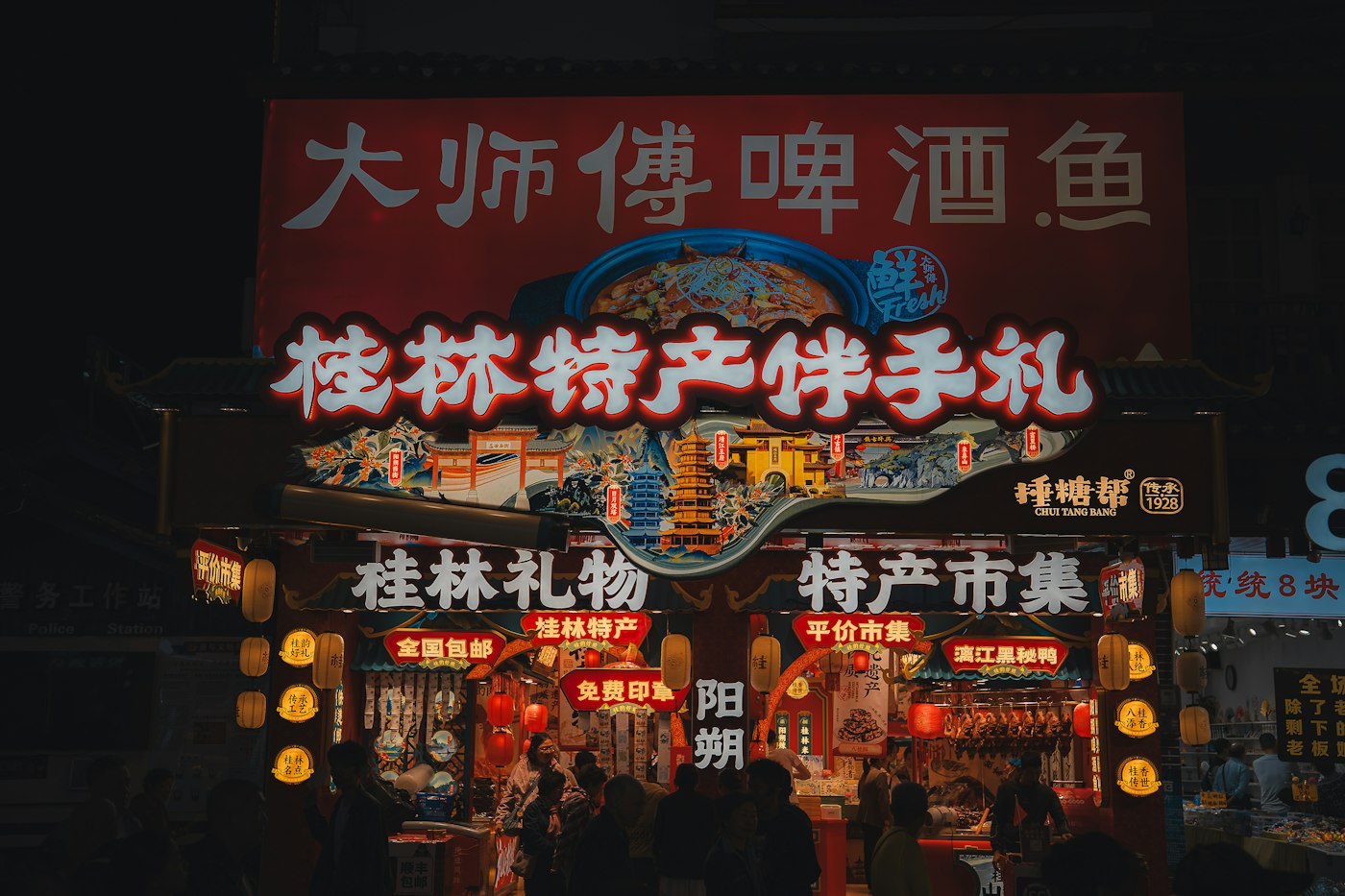 West Street as gateway: tourism town in a ink-painting landscape
Yangshuo as a karst gateway: bike, river, and West Street in one practical day without only bar-hopping.
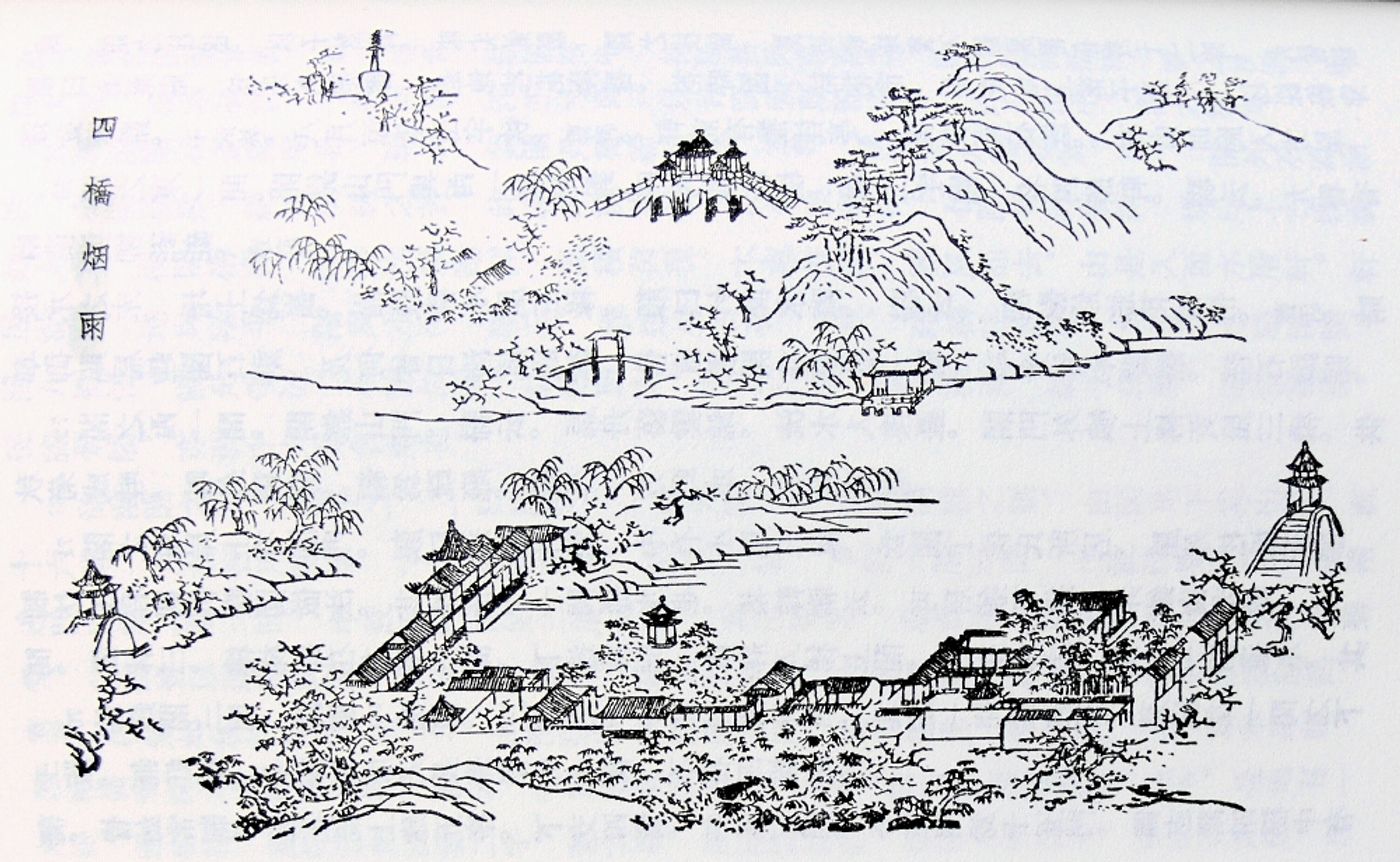 Slender West Lake: boat or bank, and the Five-Pavilion Bridge
Slender West Lake visit tips: boat vs walking dikes, best light, and how to build a Yangzhou half-day.
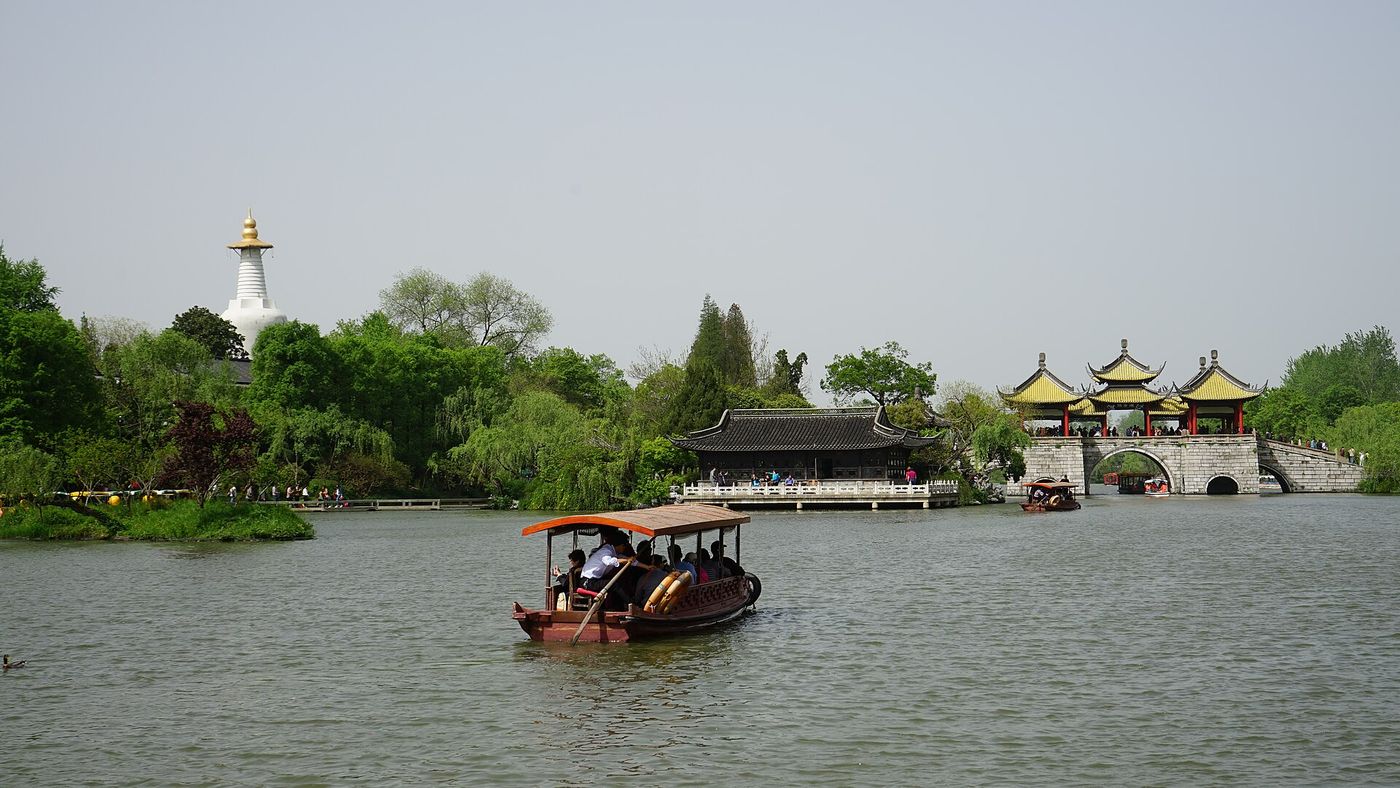 A thin lake of willows: Yangzhou taste in water and bridge
Slender West Lake and poetry culture: how plaque names and willow views connect on a slow walk.
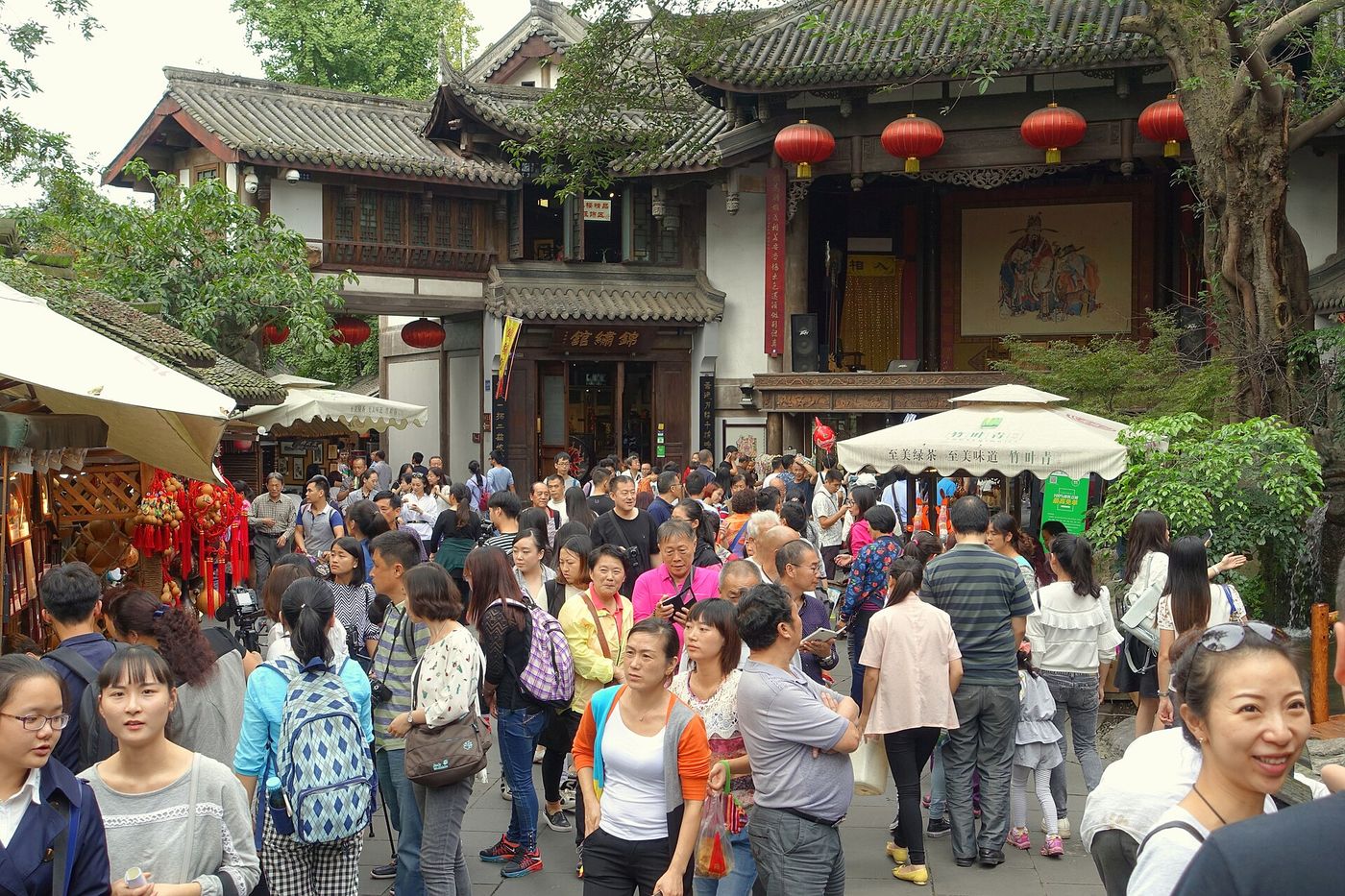 Jinli Street: snacks, night lights, and a Wuhou neighbor plan
Jinli Street evening plan: snack strategy, crowd timing, and how to pair Wuhou Shrine next door.
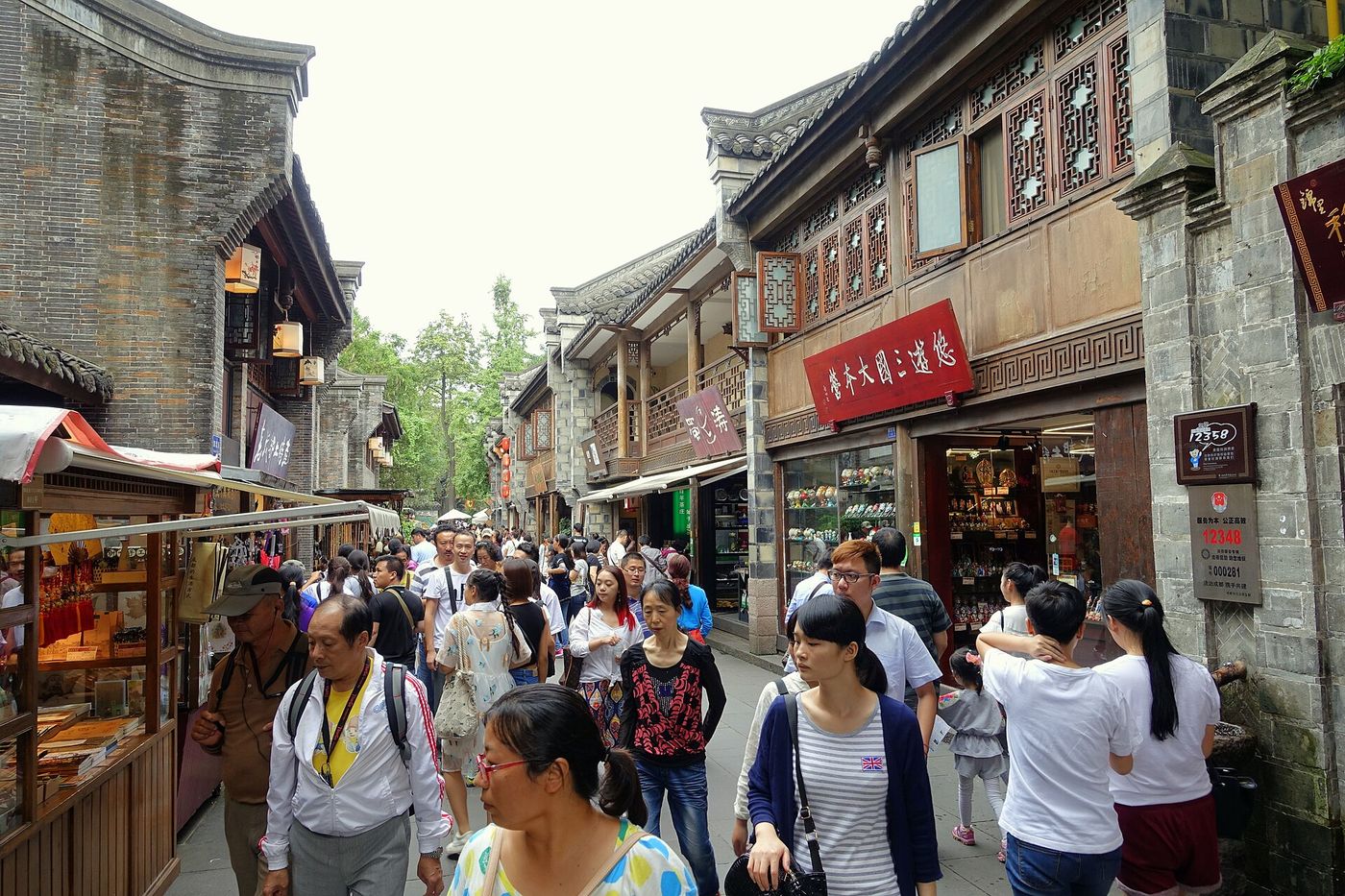 Jinli’s old-street flavor: memory, snacks, and Three Kingdoms next door
Jinli and Chengdu flavor: how to enjoy the lantern street without mistaking it for everyday local life.
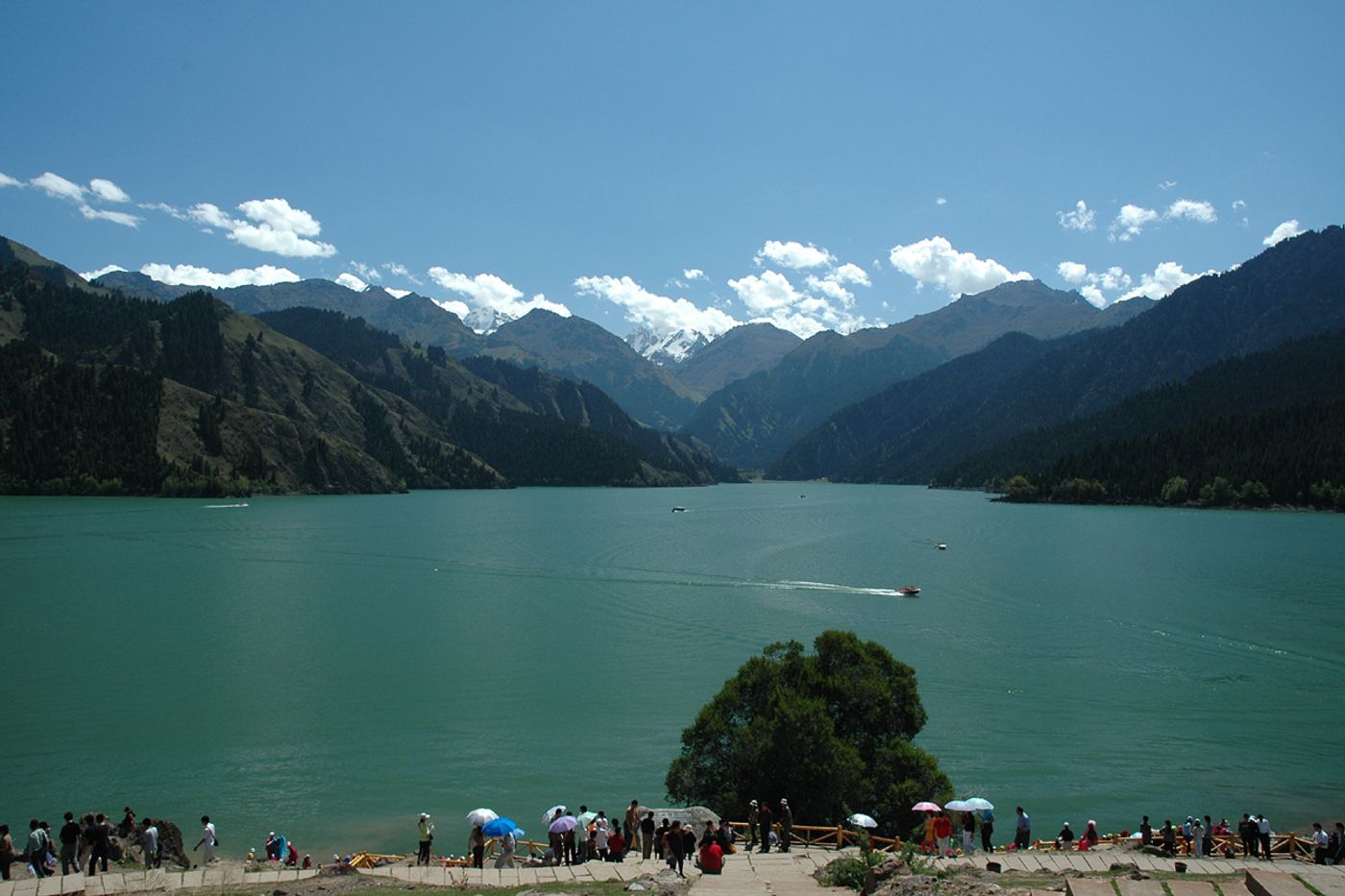 Tianshan Tianchi: altitude, shuttles, and a lakeside walk
Ride park transport to Heaven Lake of Tianshan, walk a shore section, watch altitude and mountain weather—practical day…
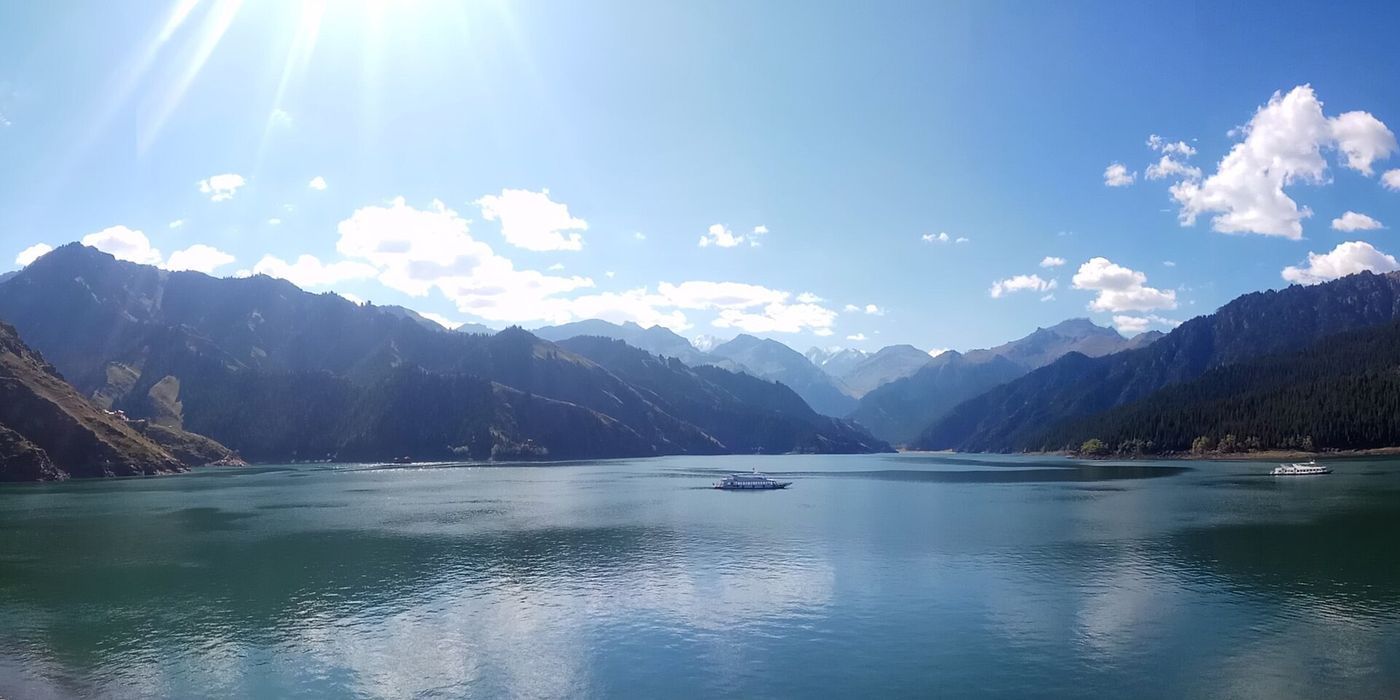 A heaven lake in the Tianshan: myth, silk roads, and alpine blue
Why Tianshan Tianchi feels mythic: glacial basin, shifting teal water, and quiet ways to read the lakeside landscape.