The Bund travel guide · 山河志 Shan He Zhi
Reading the Bund: banks, concessions, and a skyline dialogue
The Bund in Shanghai: Why the stone fronts face the river, and how Pudong answers them at night.
读外滩:银行、租界与两岸对望
石质立面为何朝向江面,浦东夜晚又如何回应。
A waterfront of capital
Those heavy facades were banks, trading firms, and clubs—architecture as credit rating. They face the Huangpu because cargo and reputation arrived by water.
You’re looking at a compressed museum of early global Shanghai, not a random pretty street.
资本的岸线
厚重立面曾是银行、洋行与俱乐部——建筑即信用。它们朝向黄浦江,因为货物与名声从水上来。
这是浓缩的早期全球上海,不是一条偶然好看的街。
Styles in a line
Neo-classical columns sit beside art deco curves. The mix is the point: competing firms showing off in stone.
Plaques name former tenants if you want specifics; even without them, the rhythm of cornices tells you this was a parade of money.
一路多种样式
新古典柱式旁边是装饰艺术的弧线。混杂本身就是重点:商行用石头较劲。
想核对旧业主可看标牌;不看也能从檐口节奏感到,这是一条金钱的阅兵式。
Pudong as reply
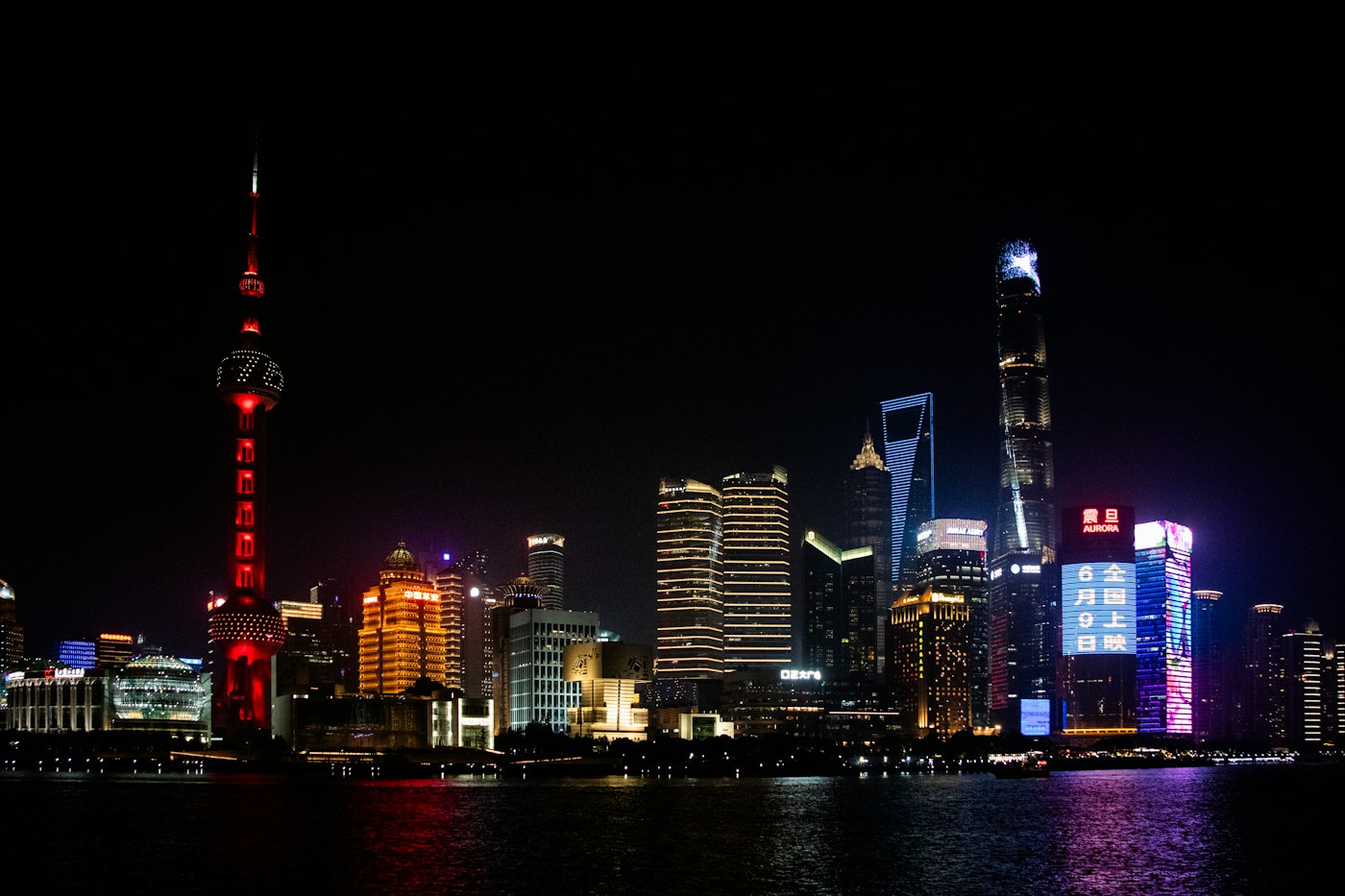
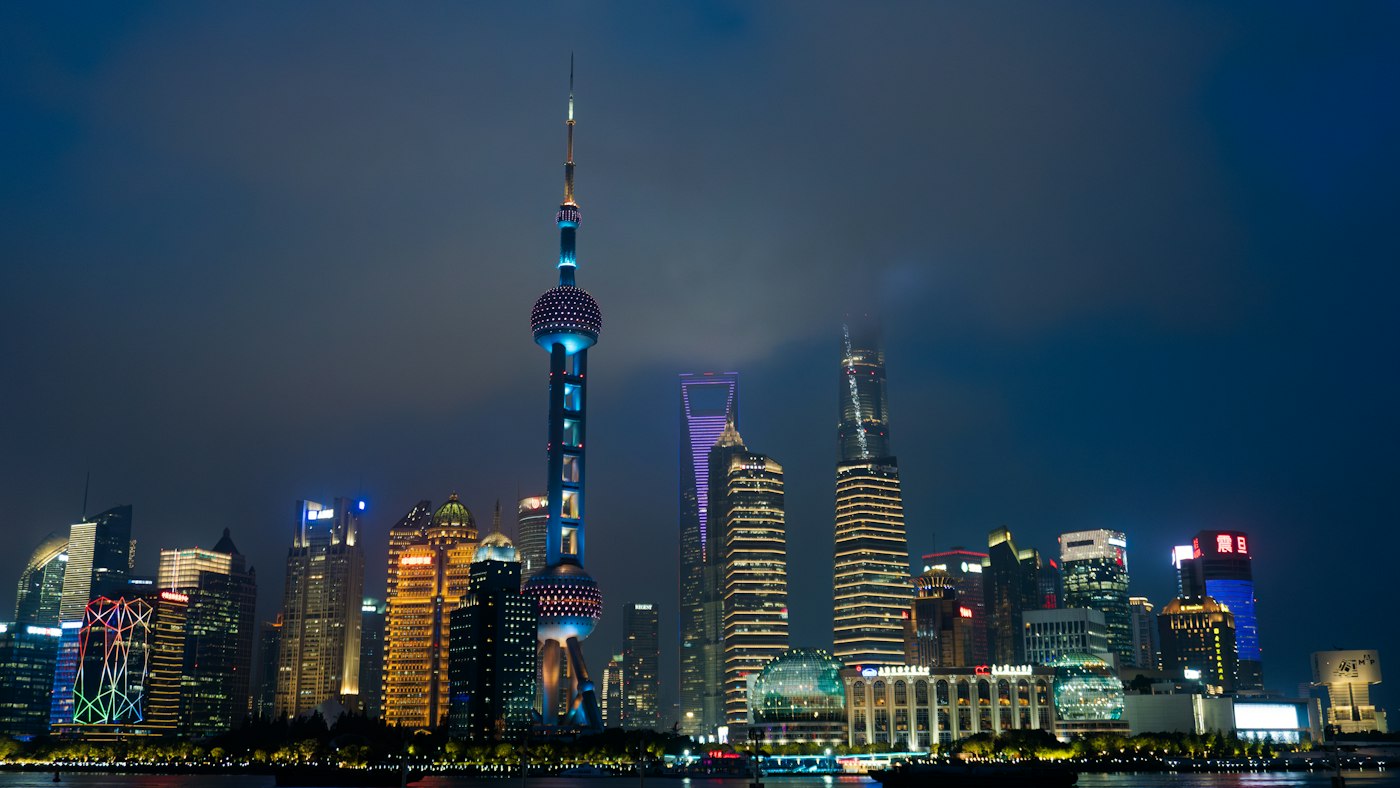
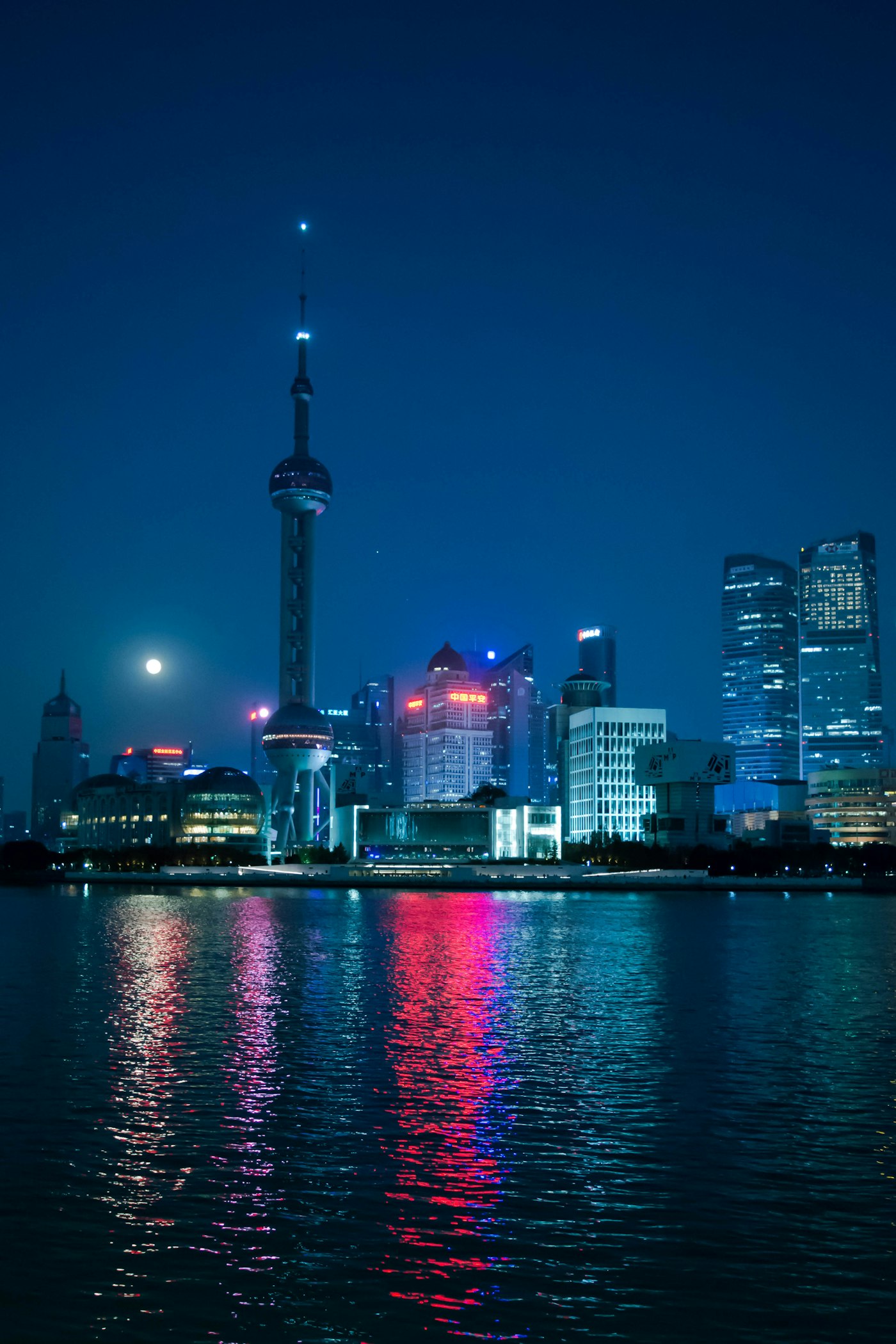
At night the opposite bank answers with glass and LED. The dialogue—stone vs. tower—is the Bund’s modern meaning.
Takeaway: stand here to feel Shanghai’s layers, not to hunt one “oldest building.”
浦东是回应
夜晚对岸用玻璃与灯光回答。石头与塔楼的对谈,才是外滩的当代含义。
站在这里感受层次即可,不必执着找到“最老的一栋”。