Gulangyu travel guide · 山河志 Shan He Zhi
Why Gulangyu looks European: concession history and piano culture
Gulangyu in Xiamen: A short read on treaty-port villas, mixed architecture, and the island’s music nickname.
鼓浪屿为何像欧洲:租界史与钢琴文化
通商口岸别墅、混搭建筑,以及“钢琴之岛”的由来。
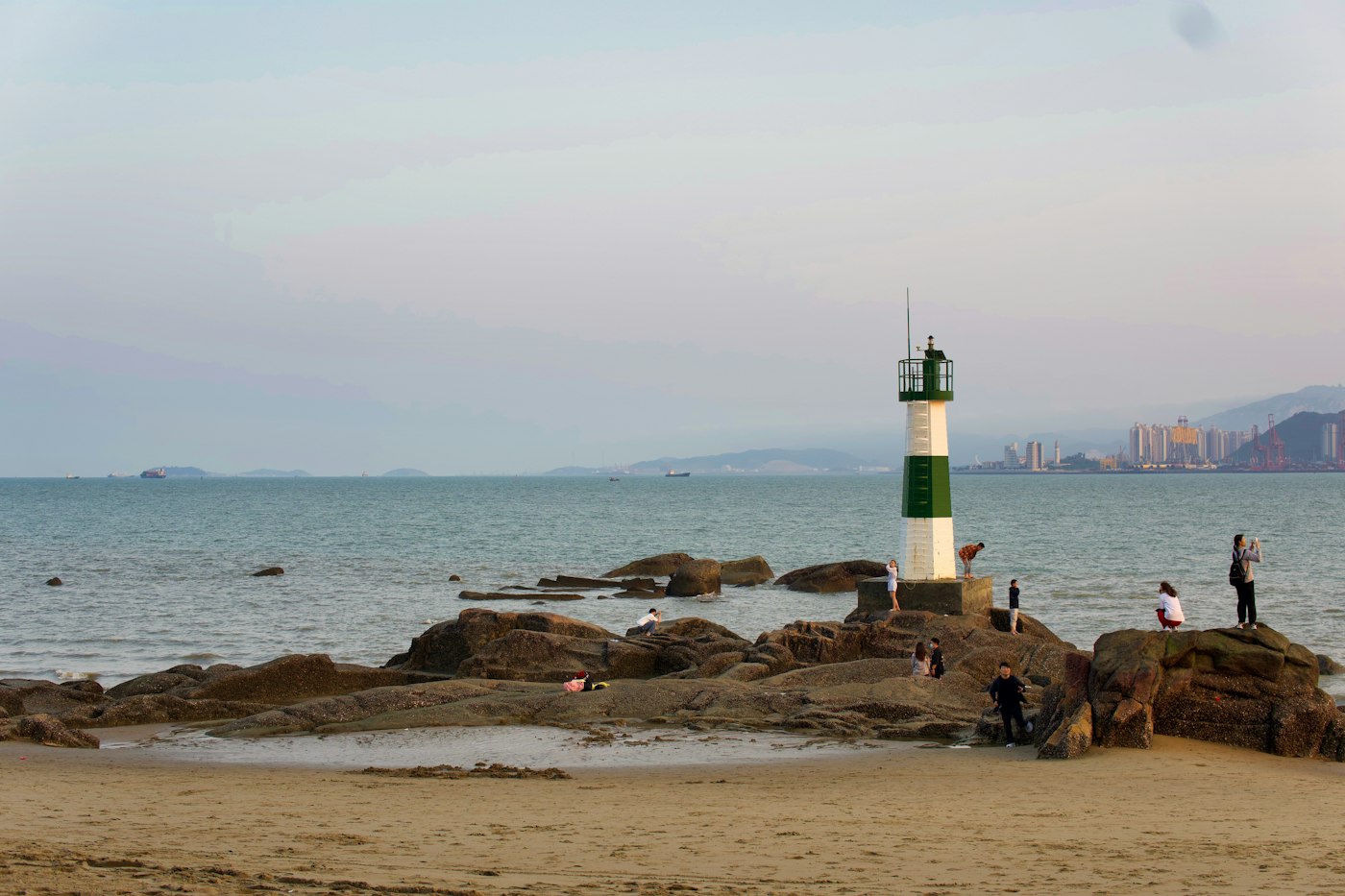
A treaty-port island
In the late Qing and Republican eras, foreign consulates and wealthy families built villas here. The “European” look is layered history, not a theme park set.
Walking the lanes, you’re moving through a coastal chapter of global Xiamen.
通商口岸上的岛
晚清到民国,领事与富商在此盖别墅。“欧陆风”是历史叠层,不是主题乐园布景。
穿巷而过,等于走过厦门面向海洋的一章。
Styles side by side
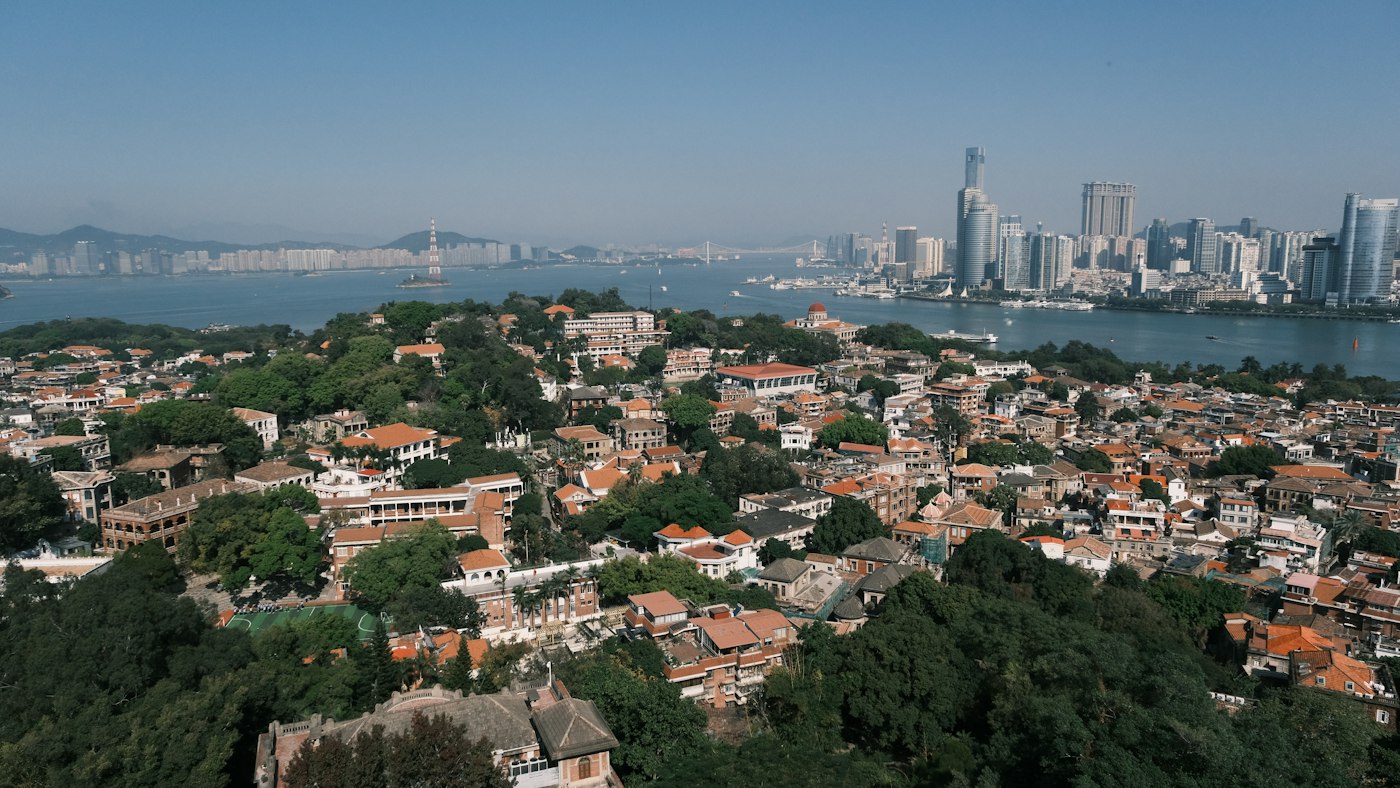
Verandas, shutters, and southern Chinese roofs sit together. That mix is the point: trade, migration, and local craft sharing one hillside.
Plaques on some houses name former owners if you want specifics.
多种风格并列
外廊、百叶窗与闽南屋顶挤在一起。混搭本身就是重点:贸易、迁徙与本地工艺同处一座山。
想核对旧主人,可看部分宅院的说明牌。
Pianos and nickname
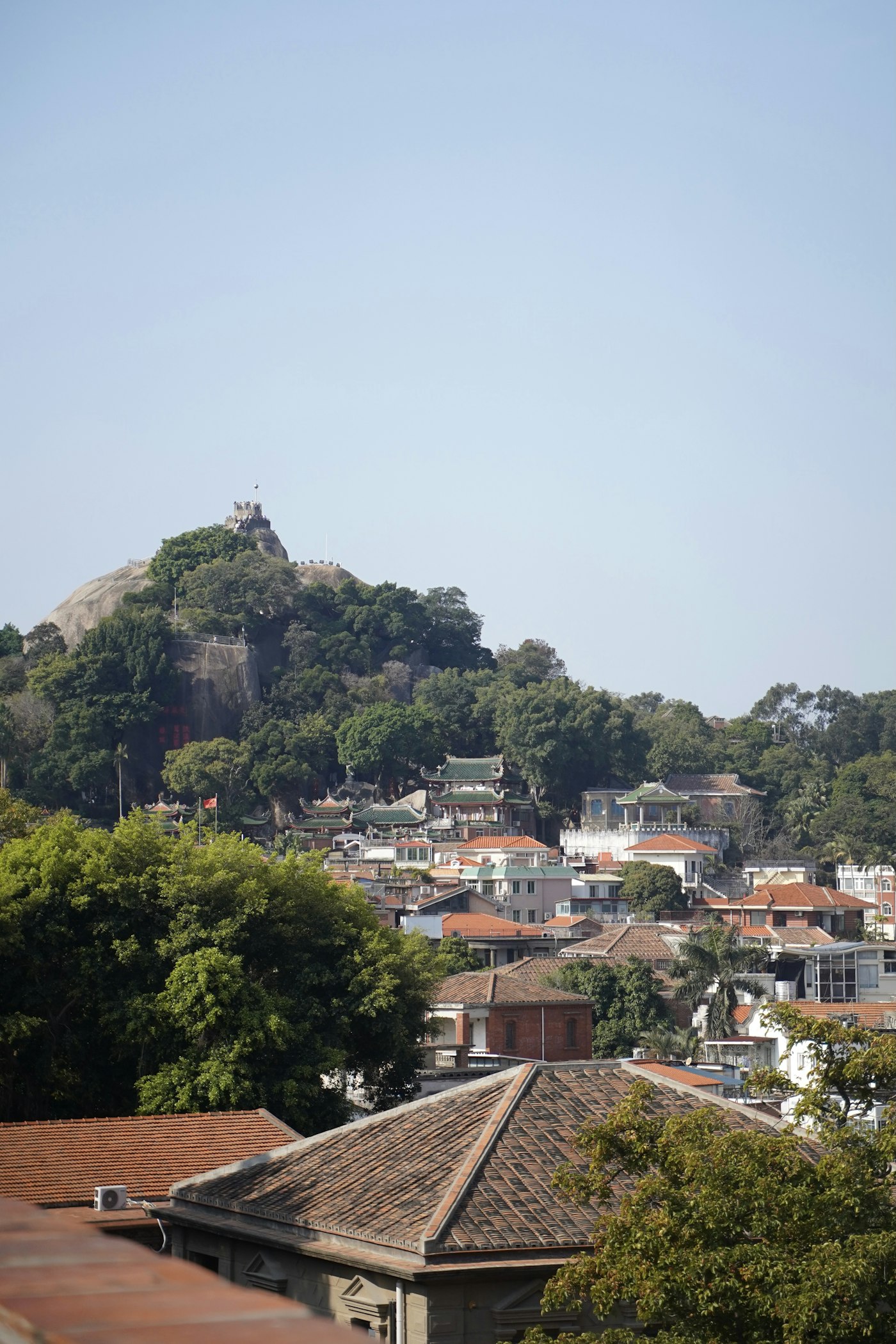
The island earned a music nickname from family pianos and schools, not from street performers alone. Treat loud karaoke alleys as today’s tourism, not the whole story.
Takeaway: listen for quieter heritage streets—they still carry the older pace.
钢琴与绰号
“钢琴之岛”来自家庭钢琴与教育,不只是街头表演。把喧闹歌厅巷看作今天的旅游,不是全部历史。
多往安静老街走,那里的节奏更接近旧日。