Hongya Cave travel guide · 山河志 Shan He Zhi
Stilt houses on a cliff: Chongqing’s vertical city idea
Hongya Cave in Chongqing: How mountain-river terrain shaped stacked architecture—and what tourism rebuilt.
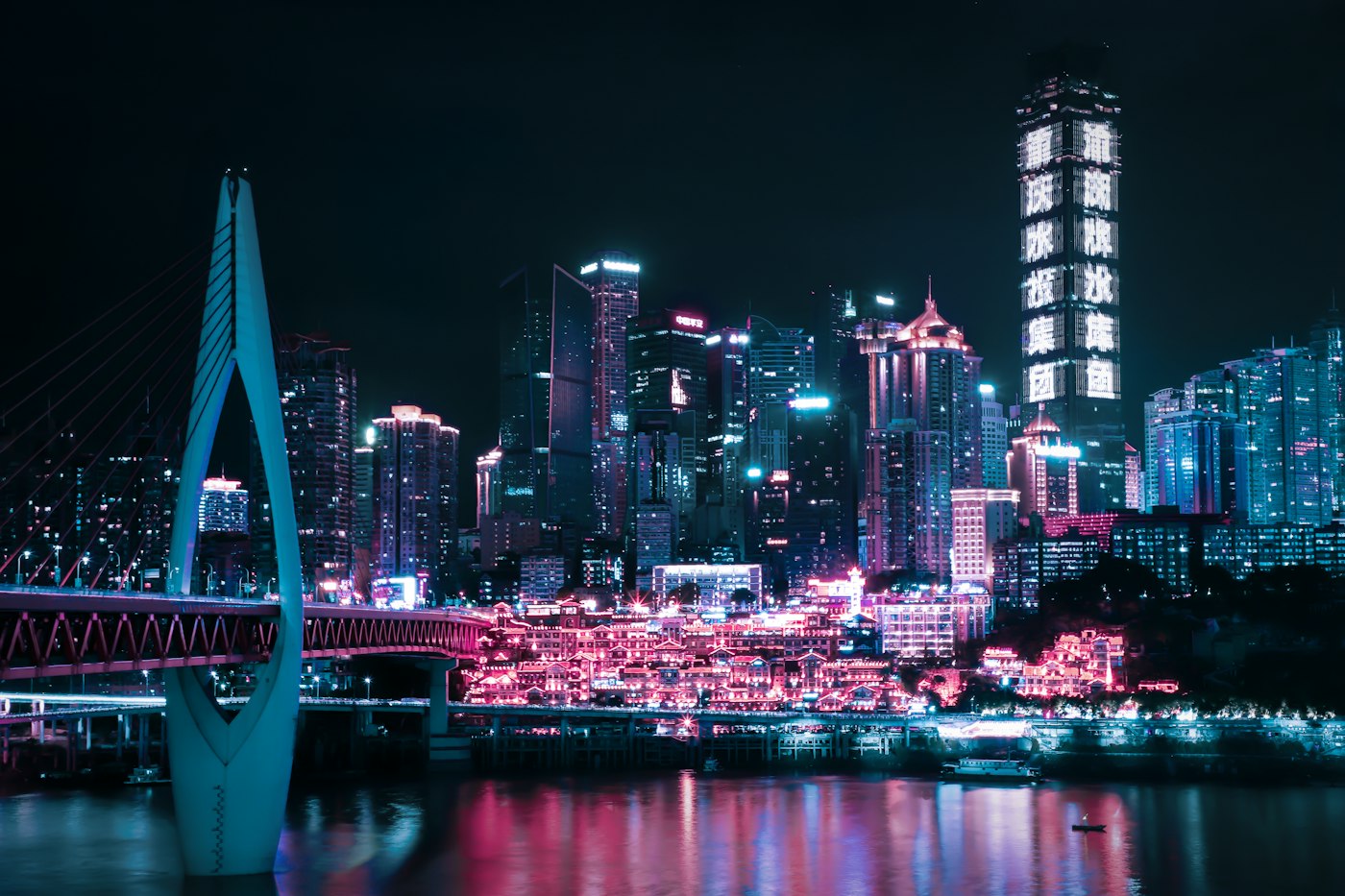
崖上吊脚楼:重庆的垂直城市想象
山水地形如何催生叠建,以及旅游重建了什么。
Architecture for steep land
Chongqing’s hills push buildings to stack and cantilever. Hongyadong packages that habit into a glowing cliff face—part memory of stilt dwellings, part modern entertainment complex.
Read it as urban theater on difficult terrain.
为陡坡而生的建筑
山城逼着房子叠建、挑出。洪崖洞把这种习惯收成发光崖壁——有吊脚楼记忆,也有现代娱乐综合体。
把它读作陡坡上的城市剧场。
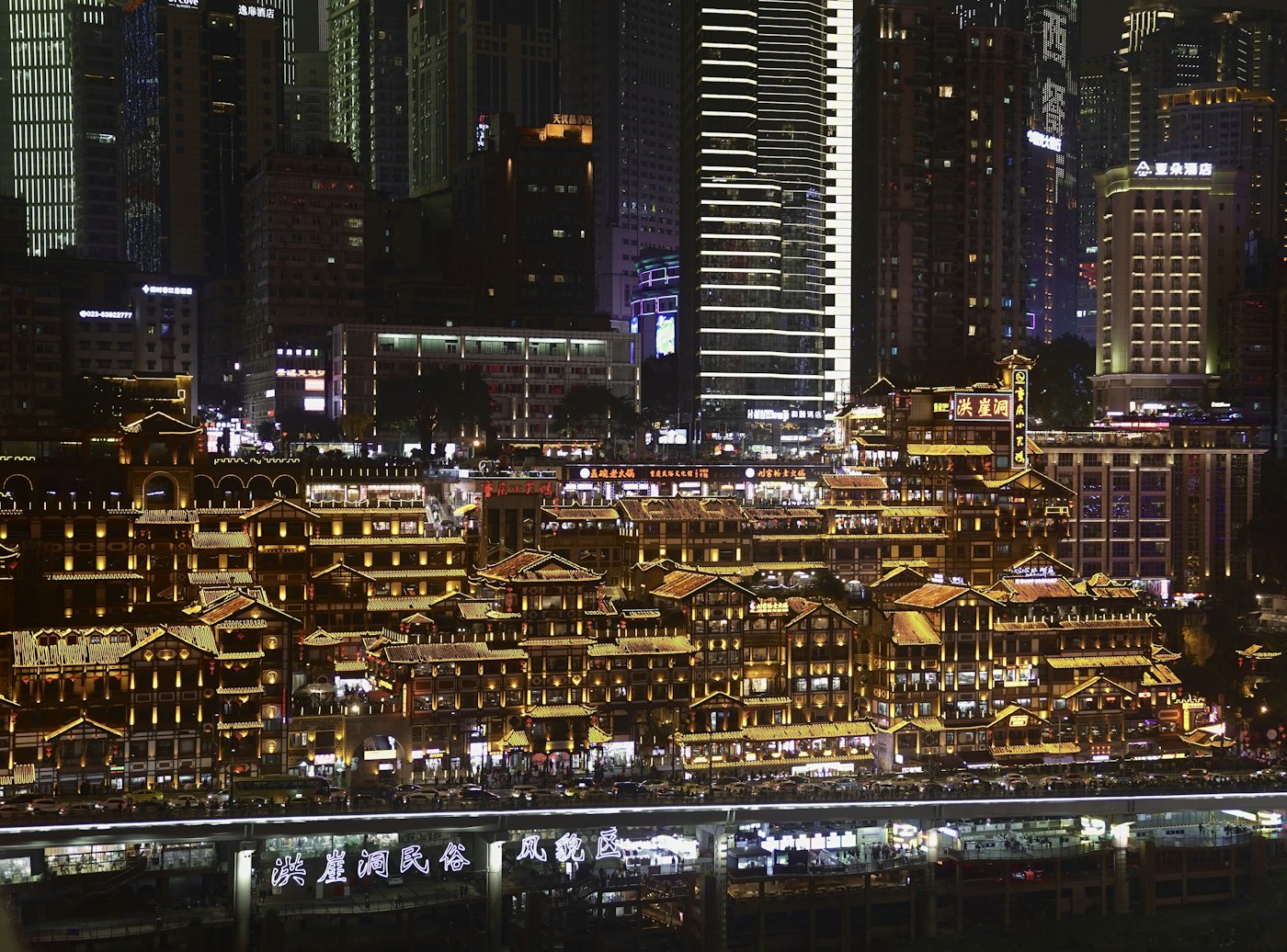
Night as the medium
LED makes the silhouette legible from across the river. The “ancient” feeling is largely a lighting design success.
That doesn’t make it fake—it makes it contemporary Chongqing: dramatic, vertical, commercial.
夜是媒介
灯光让轮廓从江对岸可读。“古意”很大程度是照明设计的成功。
这不等于虚假——正是当代重庆:戏剧性、垂直、商业。
One idea
Take the wide view first, commerce second. The cultural hit is the city’s relationship to cliff and water.
Takeaway: you’re watching Chongqing perform its geography.
一个想法
先看大场面,再进商场。文化冲击是城市与崖、水的关系。
你在看重庆表演自己的地理。