Huangshan travel guide · 山河志 Shan He Zhi
Pines, granite, and clouds: how Huangshan shaped Chinese landscape taste
Huangshan in Huangshan: Why painters loved these peaks, and what “odd pines” and seas of cloud meant in art.
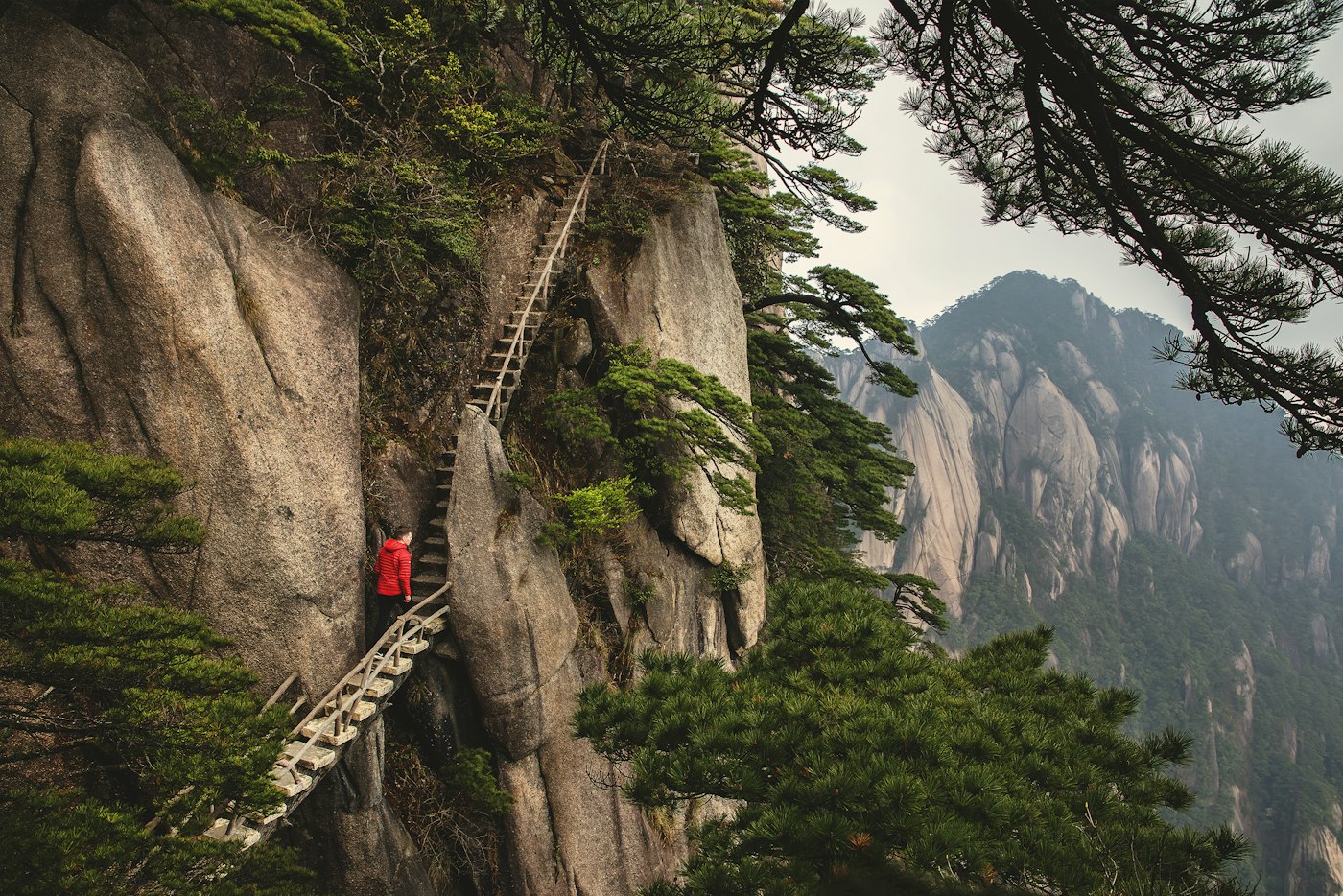
松、石、云:黄山如何影响中国山水品味
画家为何爱这些峰,奇松与云海在画里意味什么。
A muse for landscape painting
Huangshan’s vertical granite and clinging pines matched what literati painters chased: height, spareness, and mist that hides and reveals.
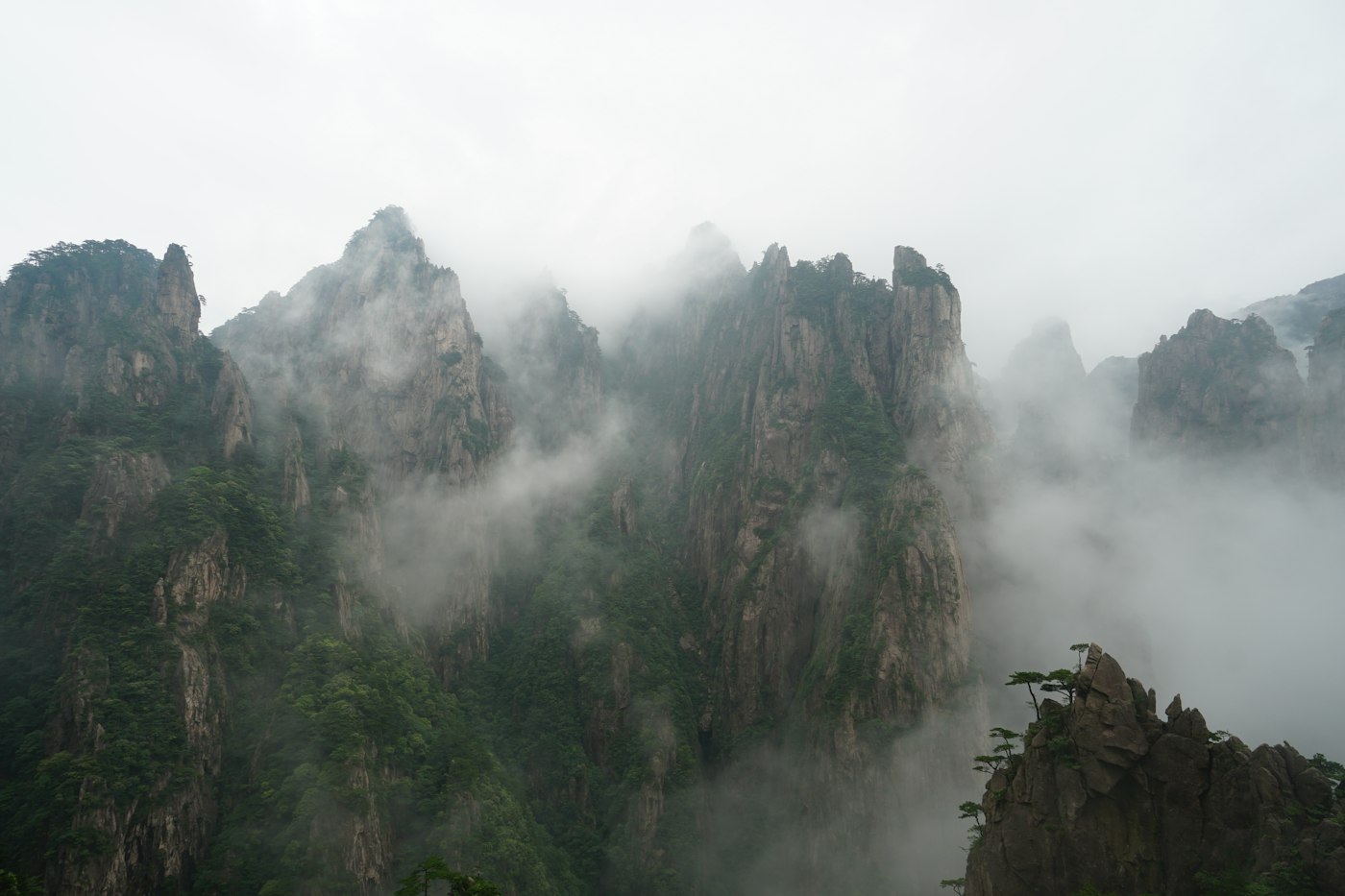
When clouds pool in valleys, the ridges become islands—an image that traveled through scrolls long before cable cars.
山水画的灵感地
黄山陡直的石与贴壁松,正合文人画要的高、简、与吞吞吐吐的雾。
云填满谷地时,山脊成岛——这形象在缆车之前就走进卷轴。
Odd pines as characters
Famous pines are named like personalities. That habit turns botany into storytelling—you meet trees as characters on a stone stage.
You don’t need every name. Noticing that a pine is framed as a hero is enough.
奇松当人物
名松常被当成有性格的角色。植物学变成叙事——树像石舞台上的人物。
不必记全名字。感到松被当作主角来框景,就够。
Weather as part of the art
Clear blue days are lovely; classic taste also prizes moisture and ambiguity. If your photos look “incomplete,” you may be closest to the old aesthetic.
Takeaway: Huangshan is a school of looking—at rock, pine, and emptiness—not only a hiking checklist.
天气也是作品的一部分
晴空很美;经典品味也珍视湿气与含混。若照片显得“不完整”,或许更接近古意。
黄山是一种看石、松与留白的训练,不只是徒步清单。