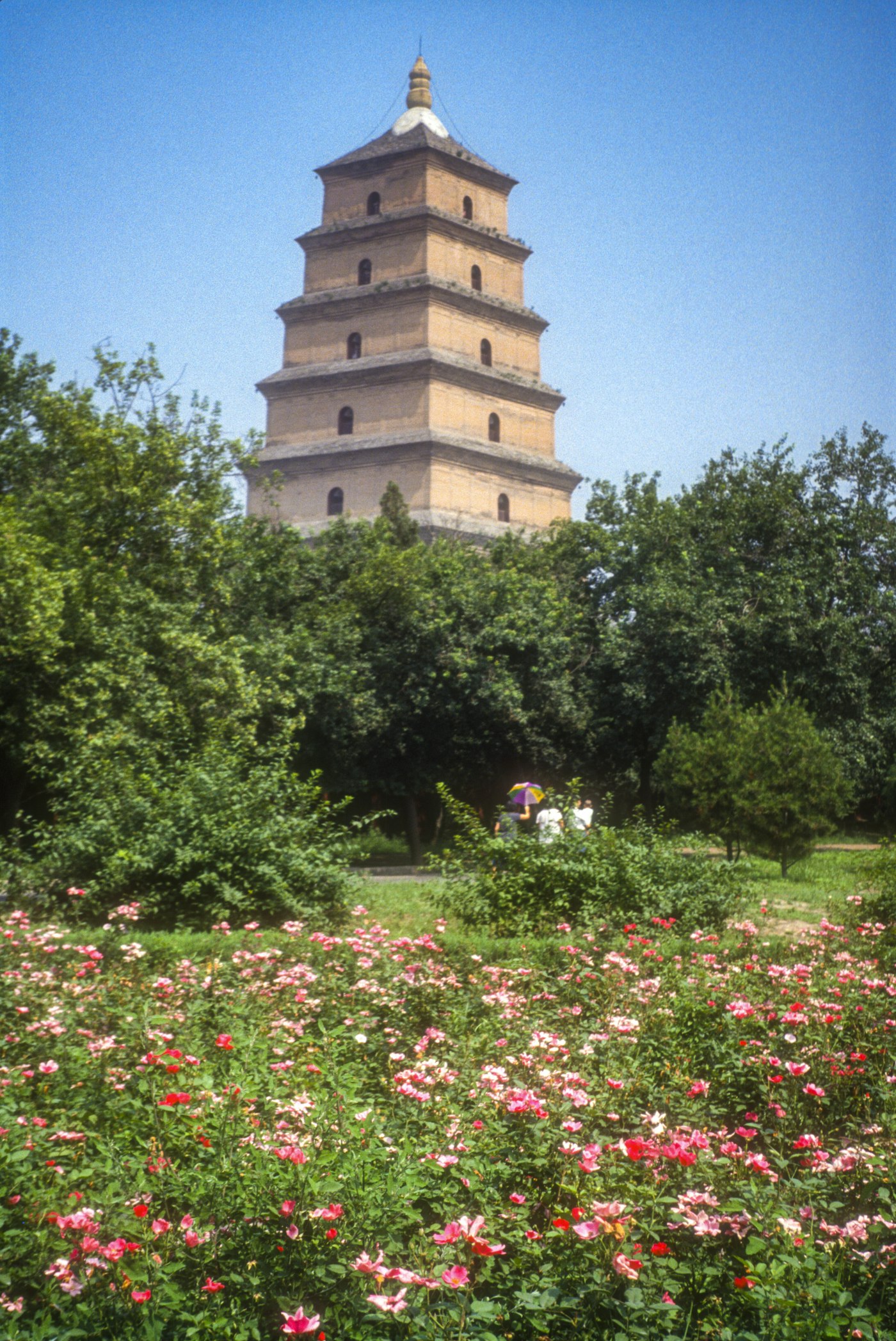
Terracotta Army travel guide · 山河志 Shan He Zhi
Why bury an army: empire, afterlife, and clay faces
Terracotta Army in Xi'an: A brief look at Qin ambition, funerary logic, and why each face feels individual.
为何埋一支军队:帝国、来世与陶脸
秦的野心、丧葬逻辑,以及面孔为何显得各有不同。
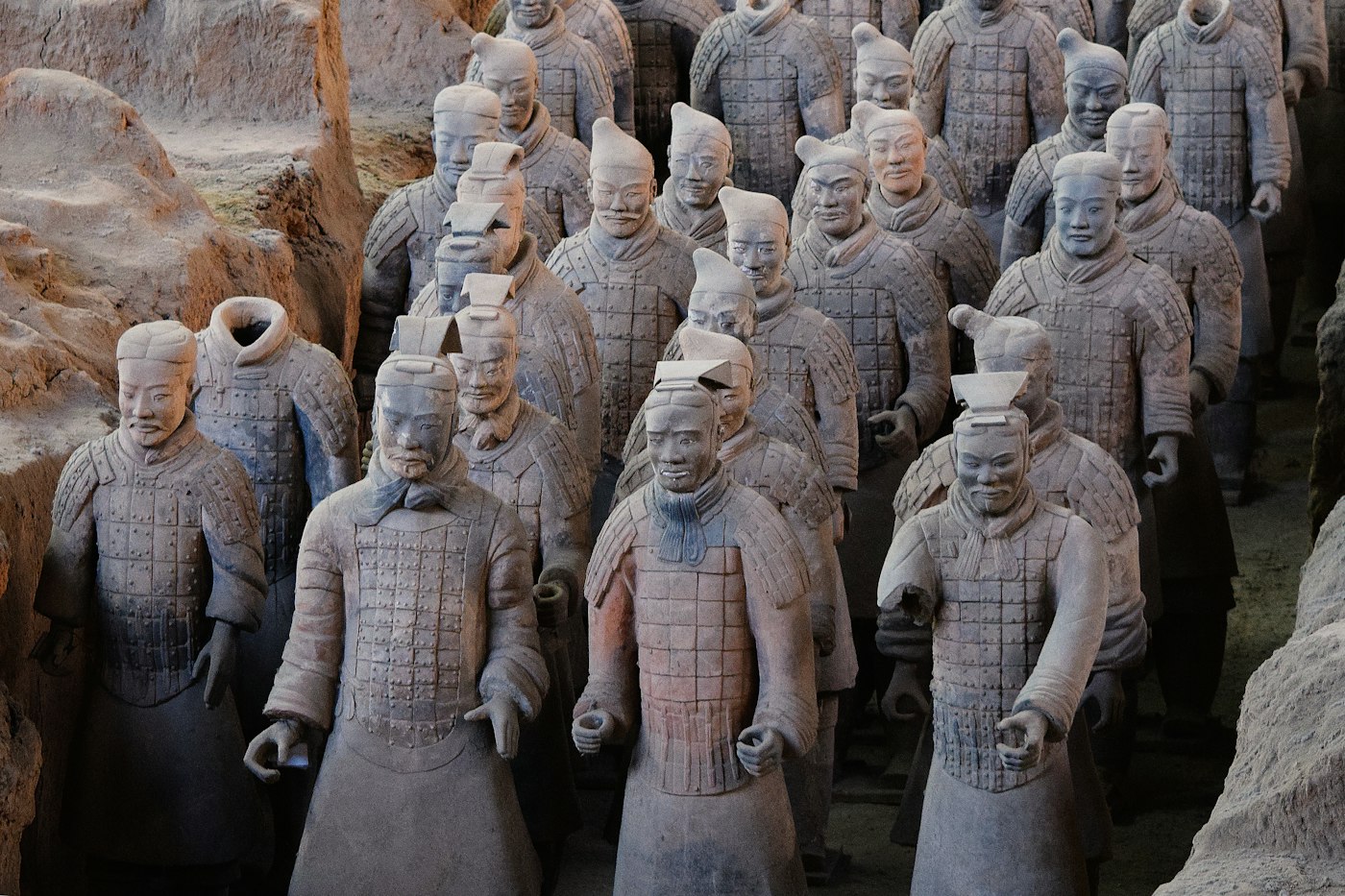
Power projected underground
The underground army guarded the First Emperor’s tomb complex in spirit—an empire insisting order continues after death.
You’re not in a battlefield; you’re in a funerary theater of state violence and craft.
把权力映到地下
地下军阵在观念上拱卫始皇陵区——帝国要求秩序在死后继续。
这不是战场遗址,而是国家暴力与工匠术的葬仪剧场。
Mass production, individual faces
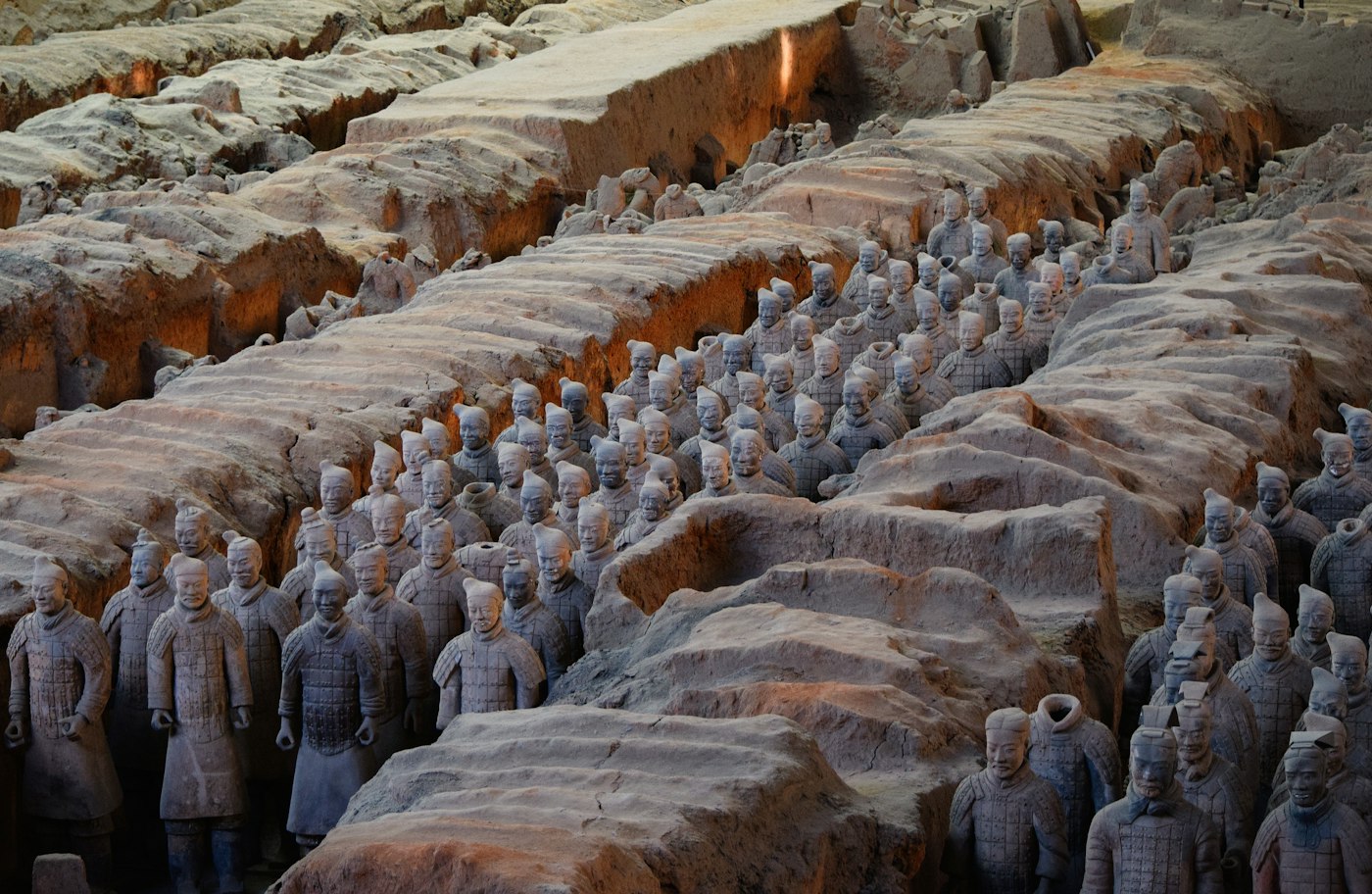
Bodies were modular; heads and details vary enough that faces feel personal. That mix—industry plus individuality—is part of the shock.
Weapons were real historically; what you see now is conservation and display logic after excavation.
量产与个性脸
身体可模块化组合,头与细部又足够不同,脸才显出个性。工业感加个体感,正是冲击的一部分。
兵器历史上是真的;你现在看到的,是发掘后的保护与展陈逻辑。
Still unfinished
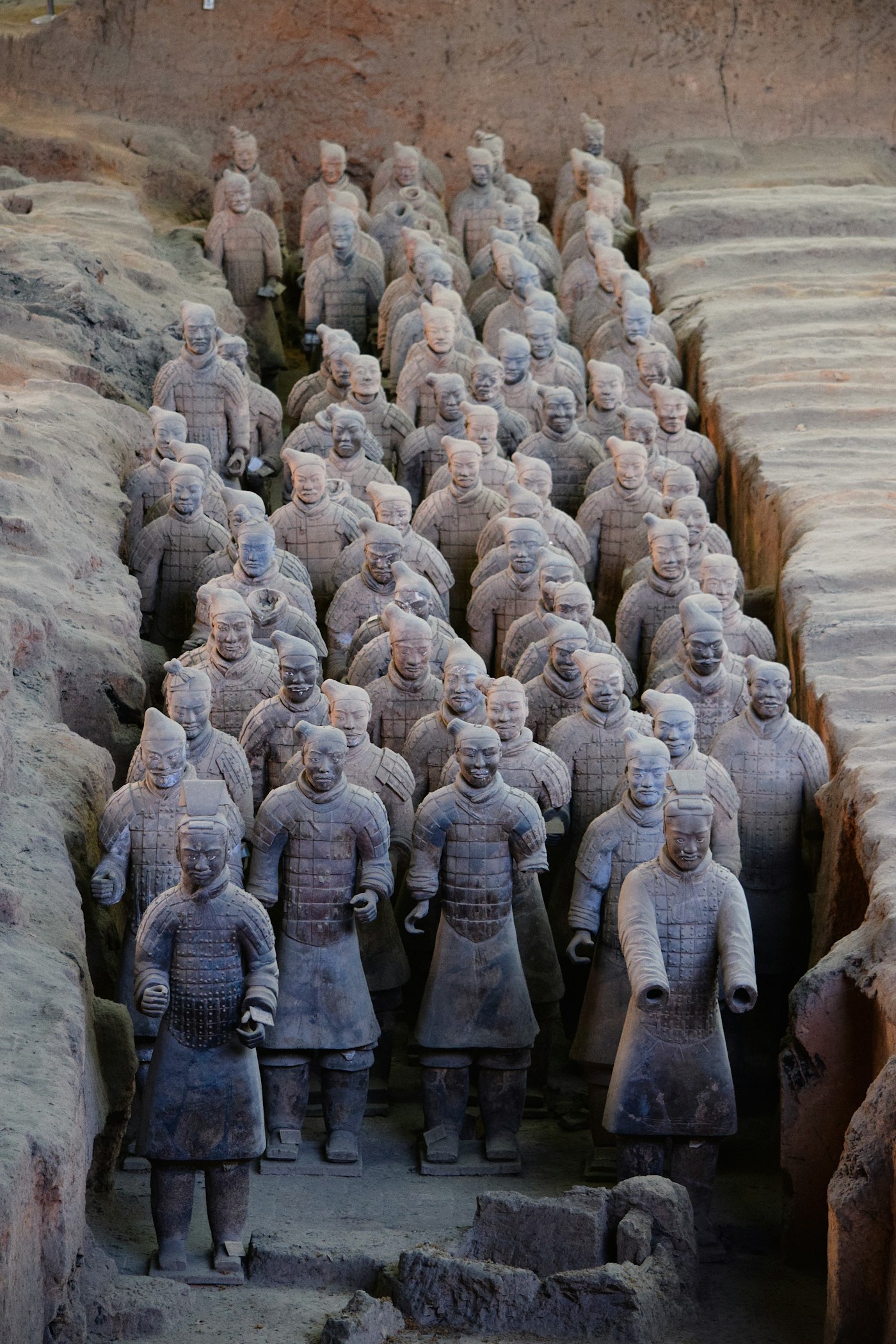
Much of the wider tomb remains unopened. The pits are chapters, not the whole book.
Takeaway: stand at the railing and feel scale first—ideology at army size—then lean in for a single clay expression.
仍未完成
更大范围的陵区多未发掘。坑是章节,不是全书。
先在护栏边感受体量——意识形态大到一支军队——再俯身看一张陶脸。