West Lake travel guide · 山河志 Shan He Zhi
Why West Lake feels like a poem (causeways, names, and borrowed views)
West Lake in Hangzhou: How dykes shaped the water, why scenes have literary titles, and what “borrowed scenery” means here.
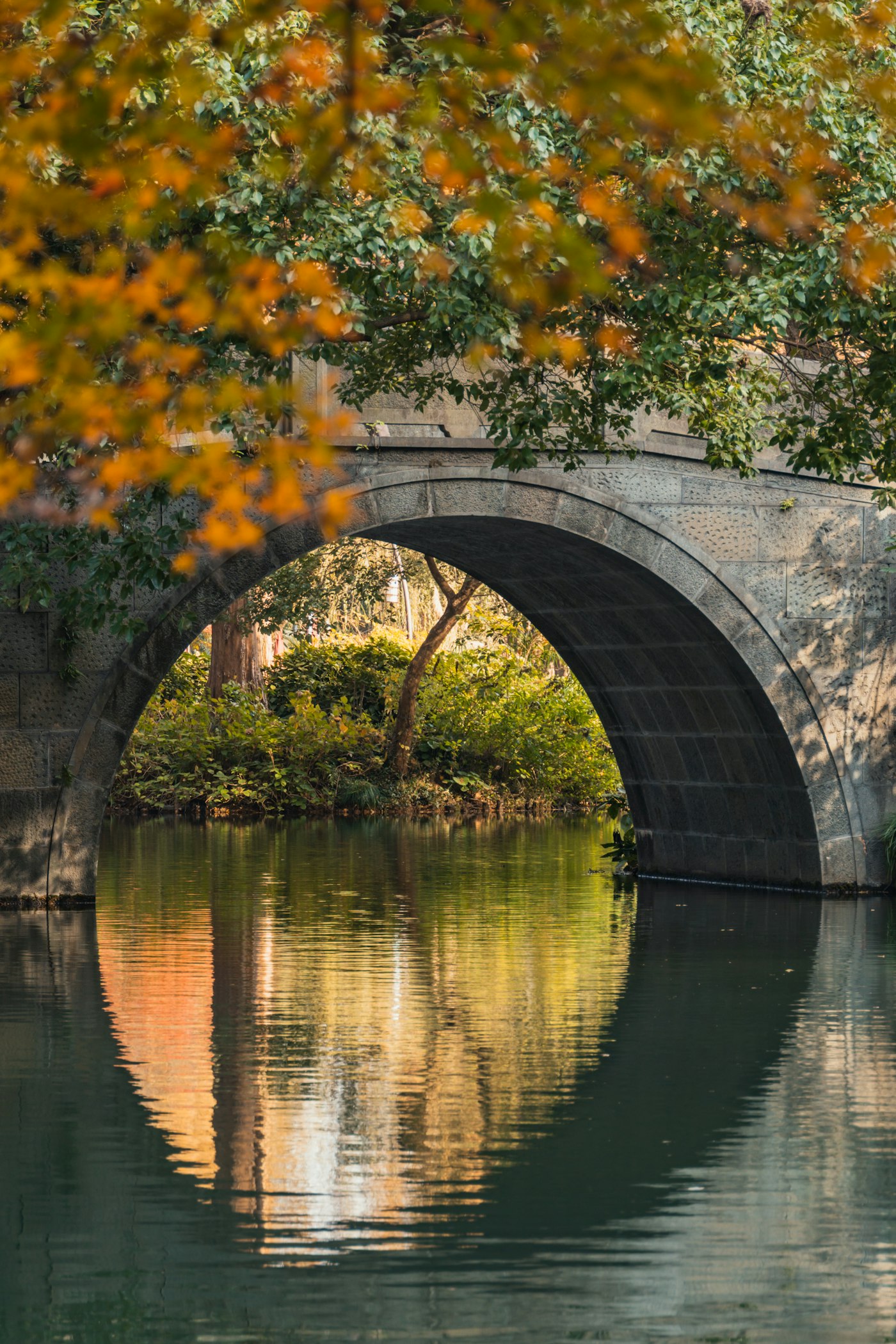
西湖为何像诗(堤、题名与借景)
堤如何塑造水面,景名为何像文章标题,以及这里的“借景”。
Engineered calm
Causeways aren’t only romantic paths—they’re water management turned into scenery. Su and Bai names nod to officials and writers who reshaped both hydrology and taste.
The “natural” lake you admire is a long conversation between poets and engineers.
被工程出来的平静
堤不只是浪漫步道,更是水利变成风景。苏堤、白堤连着治湖的人与文人品味。
你以为自然的湖,其实是诗人与工程师的长谈。
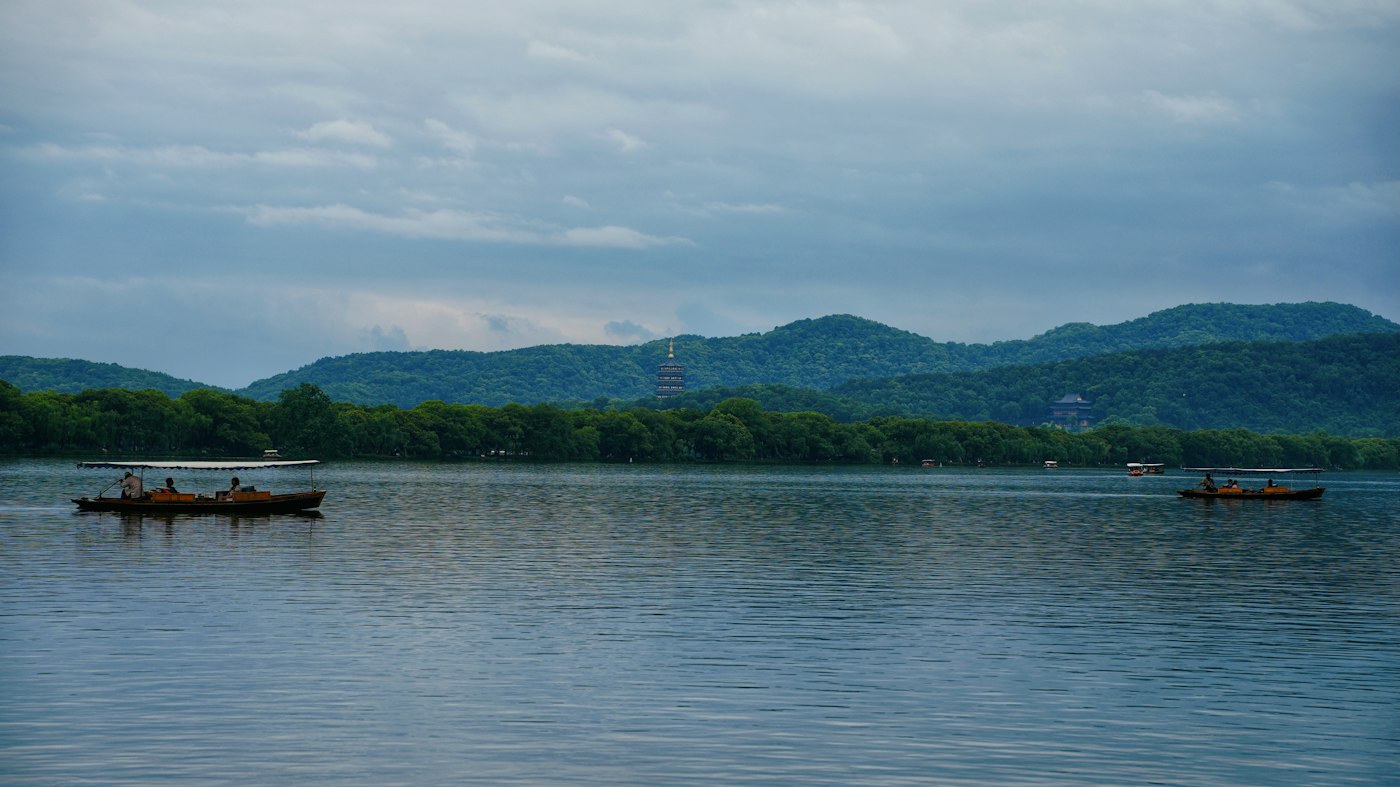
Named scenes as invitations
“Ten scenes” titles work like poem lines—season, weather, and mood baked in. You’re invited to match the weather to the name, not to hunt a single correct angle.
That’s why locals return in different seasons: the checklist is also a calendar.
题名是邀请
“十景”标题像诗句,藏着季节、天气与心情。你是被邀请去对景,不是去找唯一机位。
所以本地人会换季再来:清单也是一本日历。
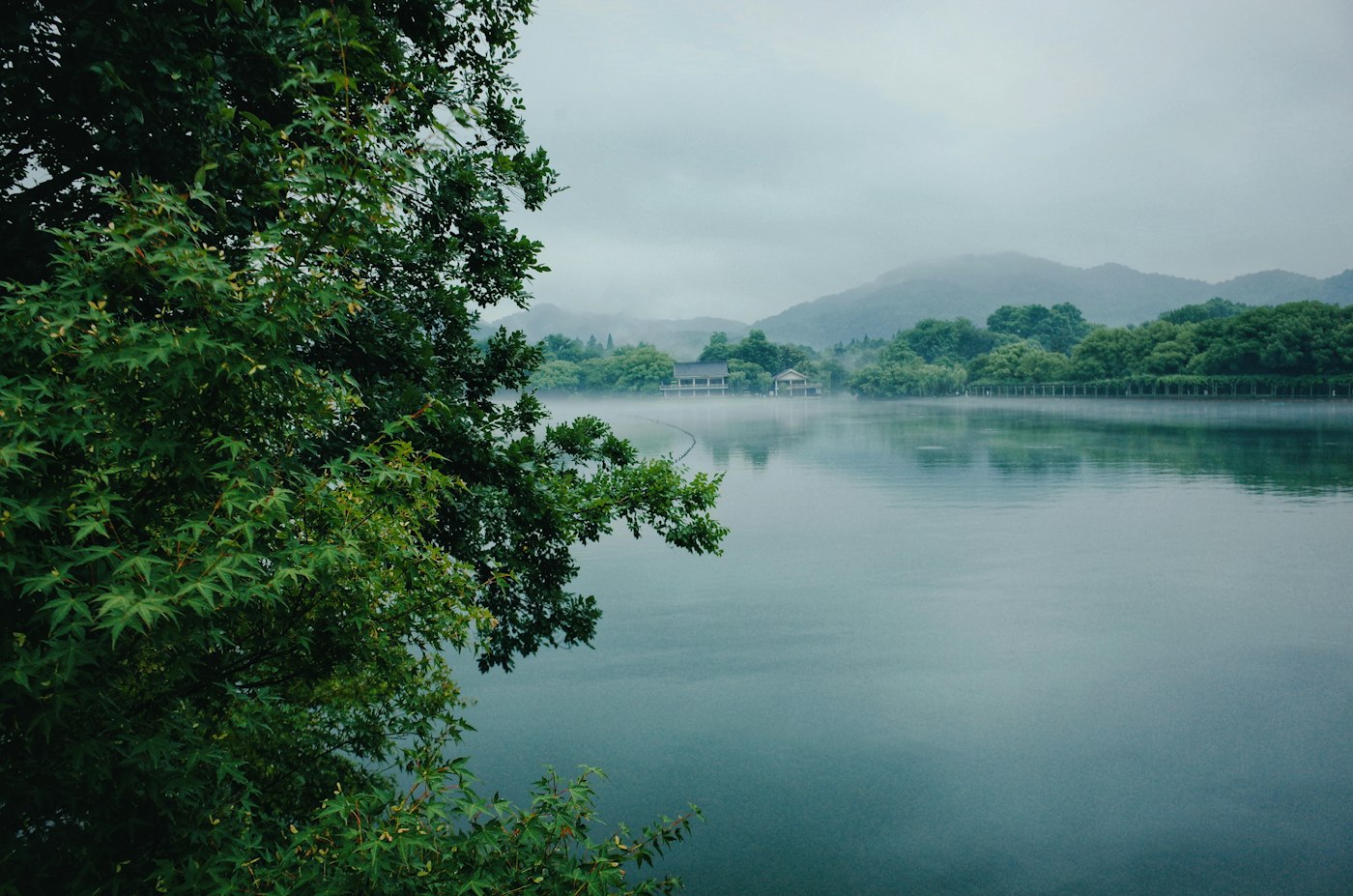
Borrowed views
Pavilions frame hills and water so the distance belongs to the garden. That’s borrowed scenery—design that claims what it doesn’t own.
Takeaway: slow down until a framed view feels composed; then the lake starts reading like literati taste instead of a park brochure.
借景
亭榭把山与水框进来,远处也像园子的一部分。这就是借景——把并不属于自己的东西设计进来。
放慢到某一框像构图,西湖才开始像文人品味,而不是公园折页。